
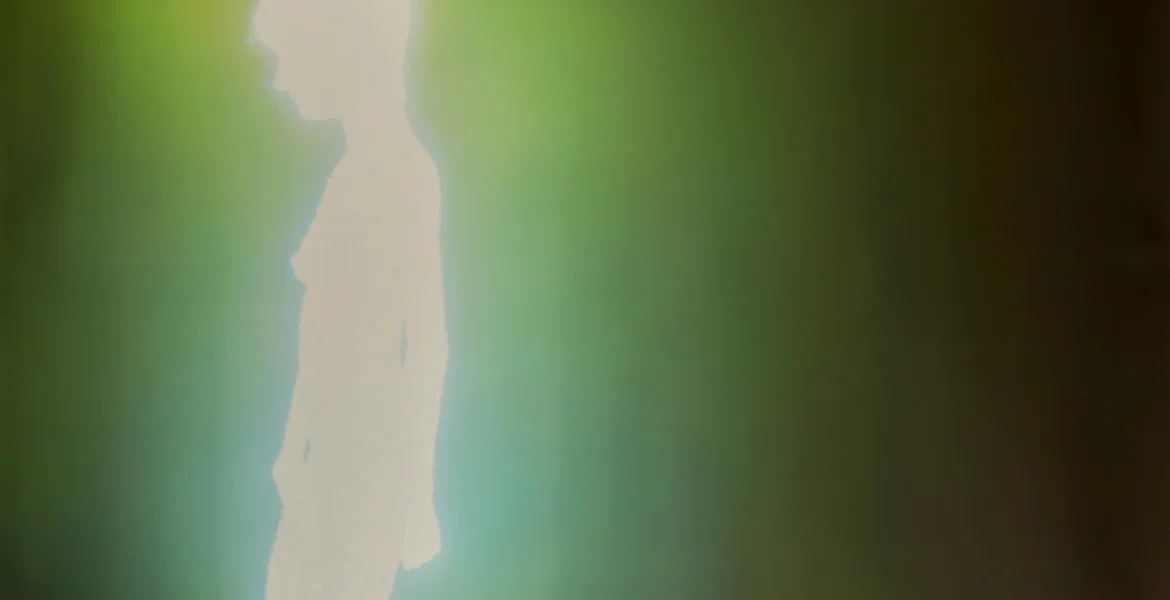
JANUARY 17 – FEBRUARY 17, 2026
The relationship between color and form in photography represents one of the medium’s most fundamental yet endlessly complex conversations. In contemporary photography, color functions not merely as an aesthetic overlay but as an active agent in the construction and definition of form itself. The relationship between chromatic information and dimensional presence has preoccupied photographers since the medium’s inception, but it is in the work of artists like Christopher Bucklow, Garry Fabian Miller, Jan Groover, Aurelio Amendola, and Edward Weston that we find the most profound investigations into how color—or its strategic absence—can generate, articulate, and transform our perception of form. These photographers demonstrate that color is not simply applied to form but rather participates in its very genesis and legibility.
-
![Christopher Bucklow ''Guest' [A.F.], 4:00 pm 1st September 1993'](https://s3.amazonaws.com/holdenluntz.com/wp-content/uploads/20251011201407/Christopher-Bucklow-Guest-AF-793x1024.jpg)
Christopher Bucklow
Guest [A.F.], 4:00 pm 1st September 1993 Add to cart -
![Christopher Bucklow, Guest [C.B.] 12-30 p.m., 23rd November, 1993, Unique dye destruction photogram print](https://s3.amazonaws.com/holdenluntz.com/wp-content/uploads/20251113174926/Guest-C.B.-12-30-p.m.-23rd-November-767x1024.jpeg)
Christopher Bucklow
Guest [C.B.] 12:30 p.m., 23rd November Add to cart -
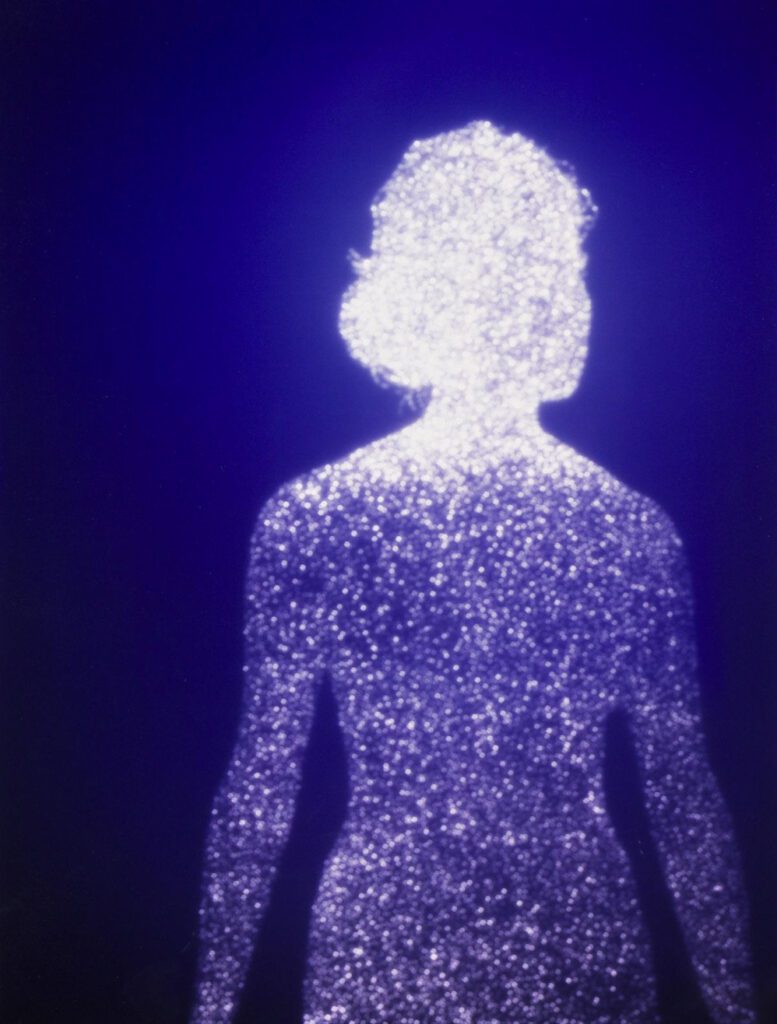
Christopher Bucklow
Guest 3:30 p.m., 5th November Add to cart -

Christopher Bucklow
Guest, 12.17pm, 23rd June, 2012 Add to cart -

Christopher Bucklow
Tetrarch (Claudia Schiffer) 1.19pm 4th March 2011 Add to cart -
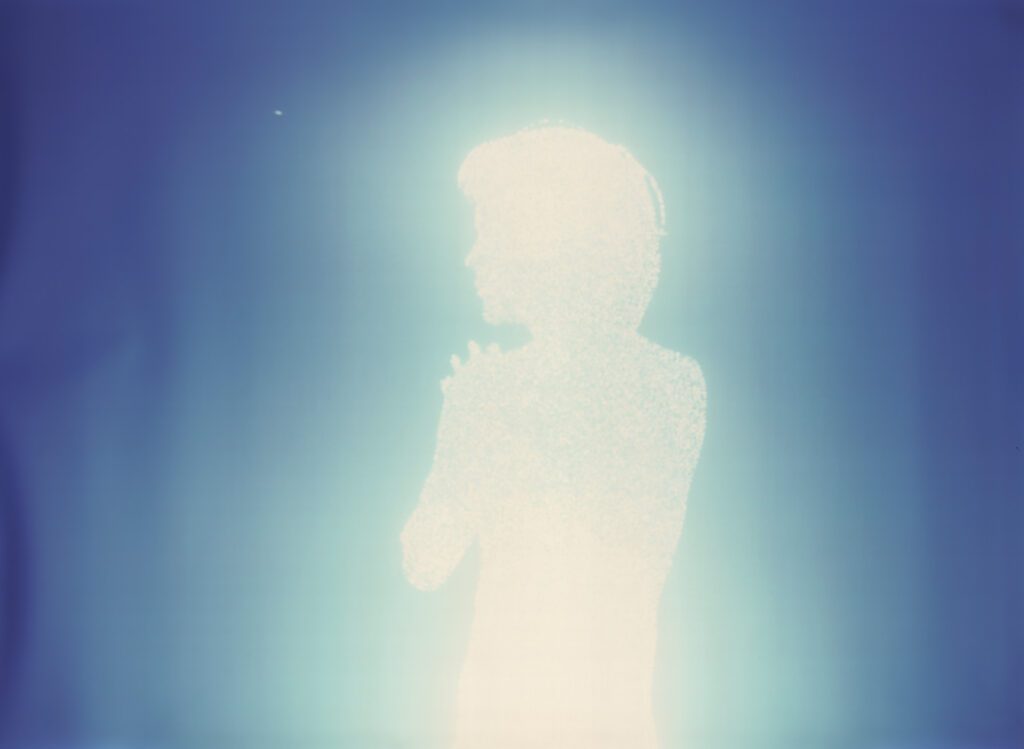
Christopher Bucklow
Tetrarch, 1.29pm 30th July 2007 Add to cart -
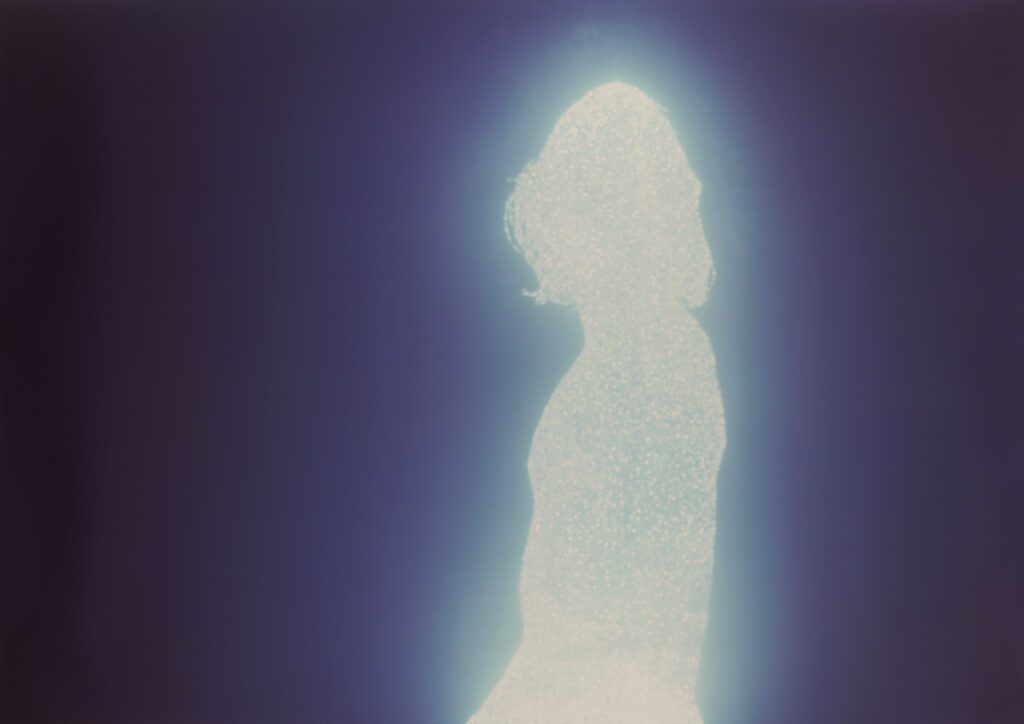
Christopher Bucklow
Tetrarch, 10.29am 10th February 2006 Add to cart -
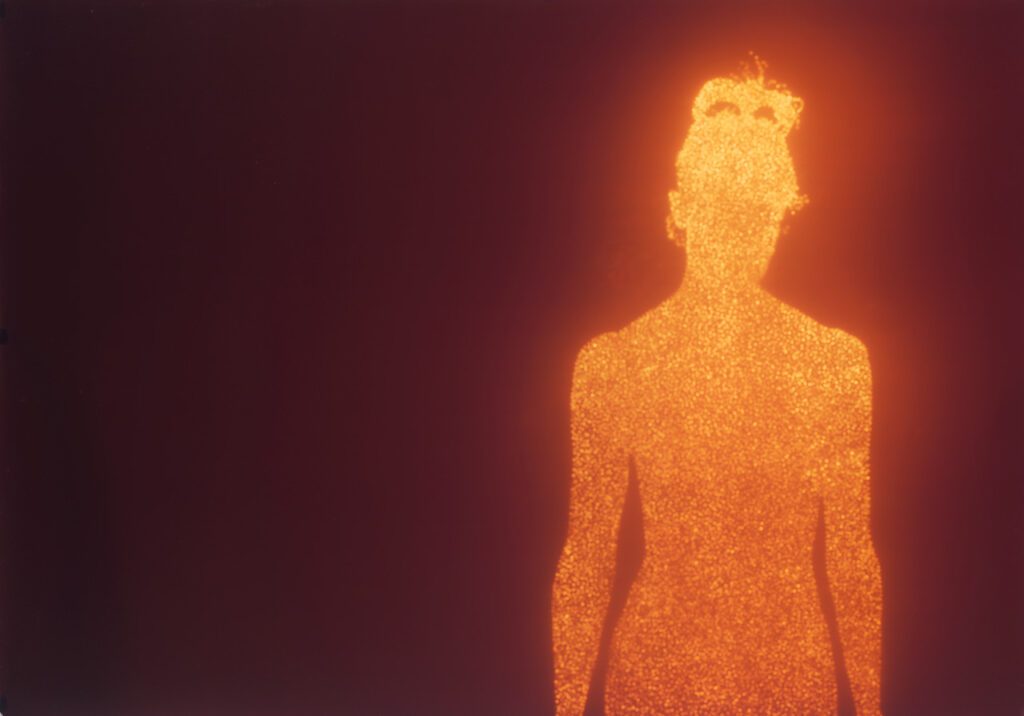
Christopher Bucklow
Tetrarch, 4.11 6th October 2012 Add to cart -
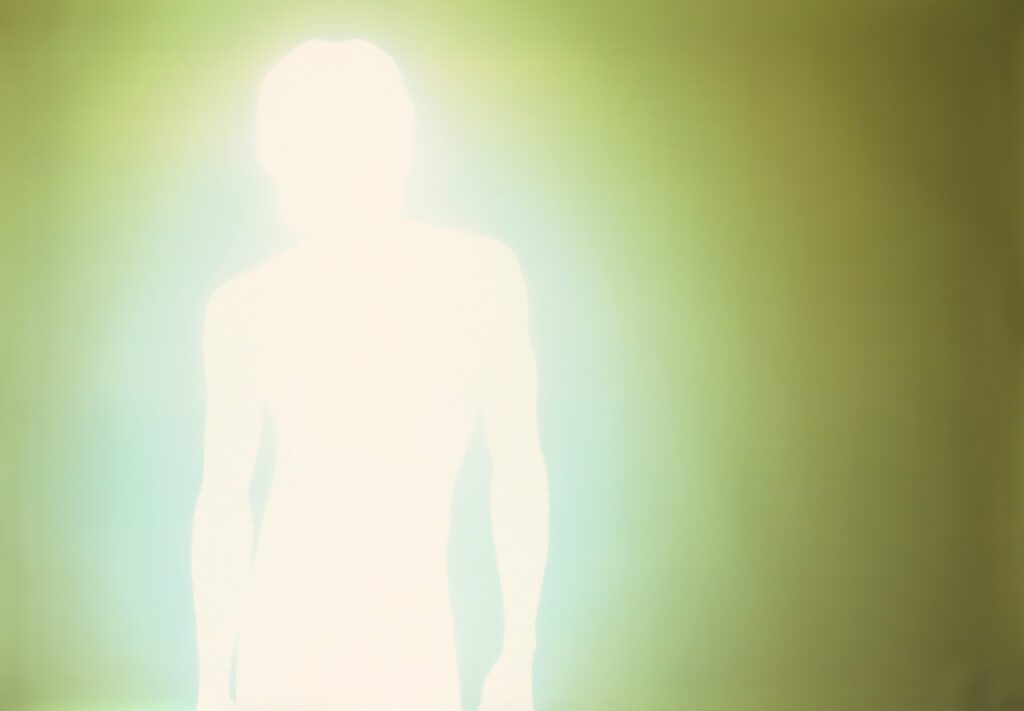
Christopher Bucklow
Tetrarch, 4.43pm 11th August 2005 Add to cart -

Christopher Bucklow
Tetrarch, 9:36 am, 29 November, 2012 Add to cart
-
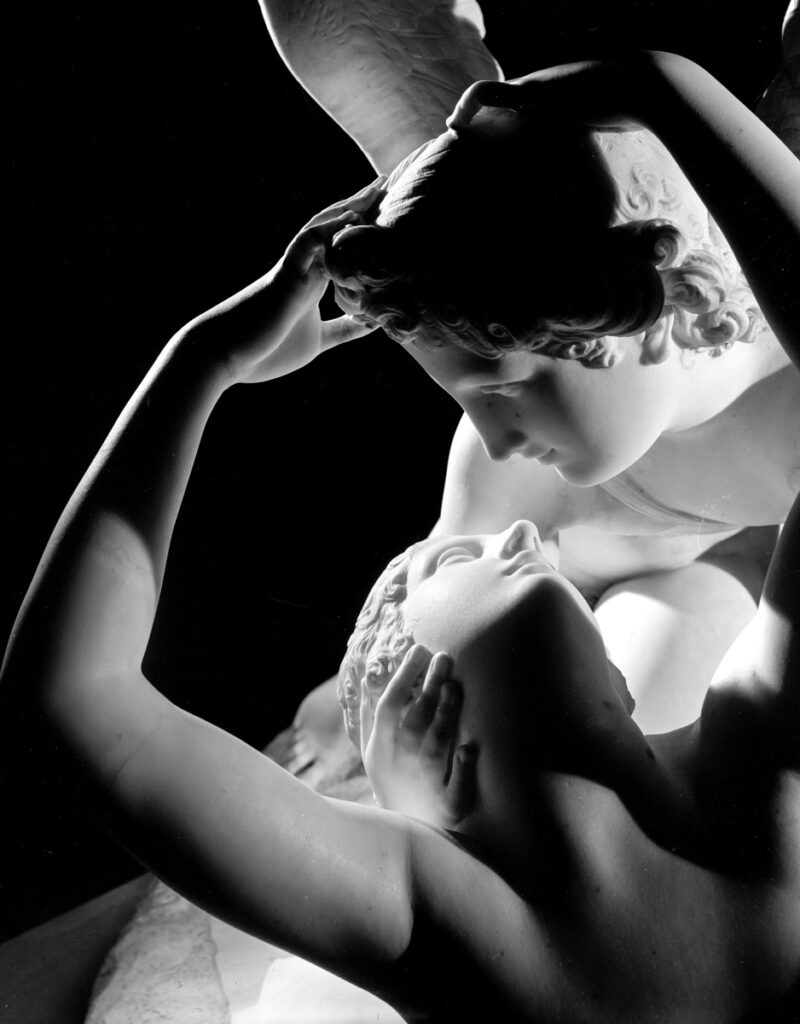
Aurelio Amendola
Amore e Psiche, Antonio Canova, Museo Hermitage, Sanpietroburgo, Russia Read more -
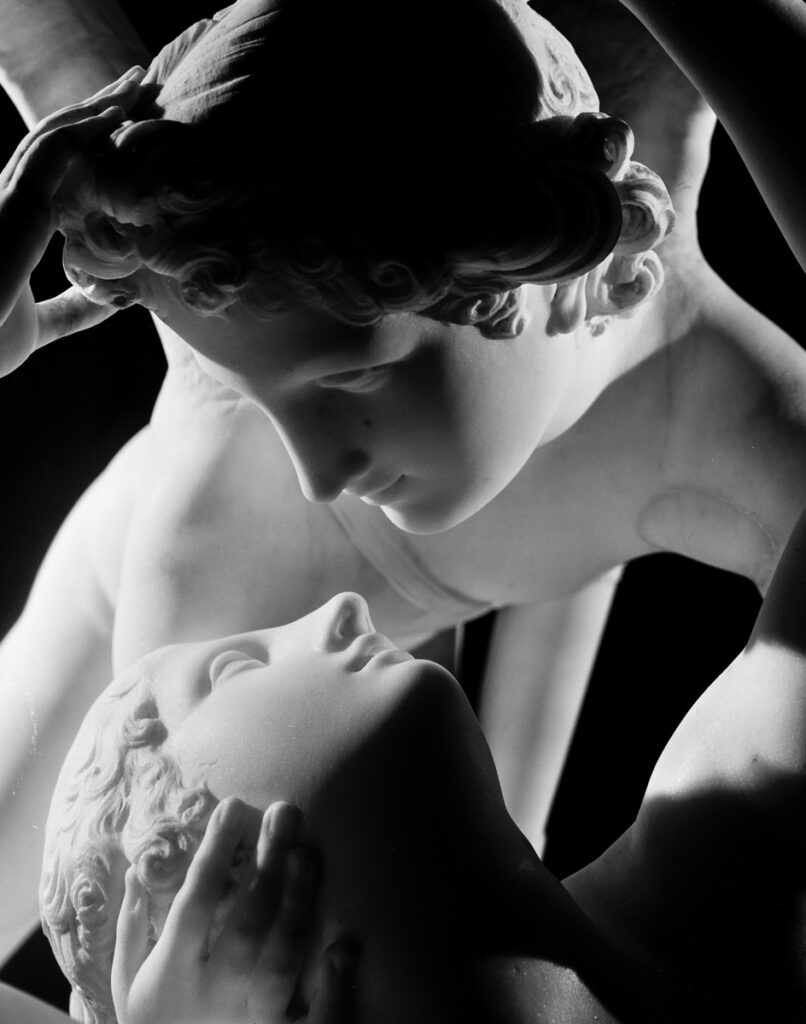
Aurelio Amendola
Amore e Psiche, Antonio Canova, Museo Hermitage, Sanpietroburgo, Russia (close-up) Read more -
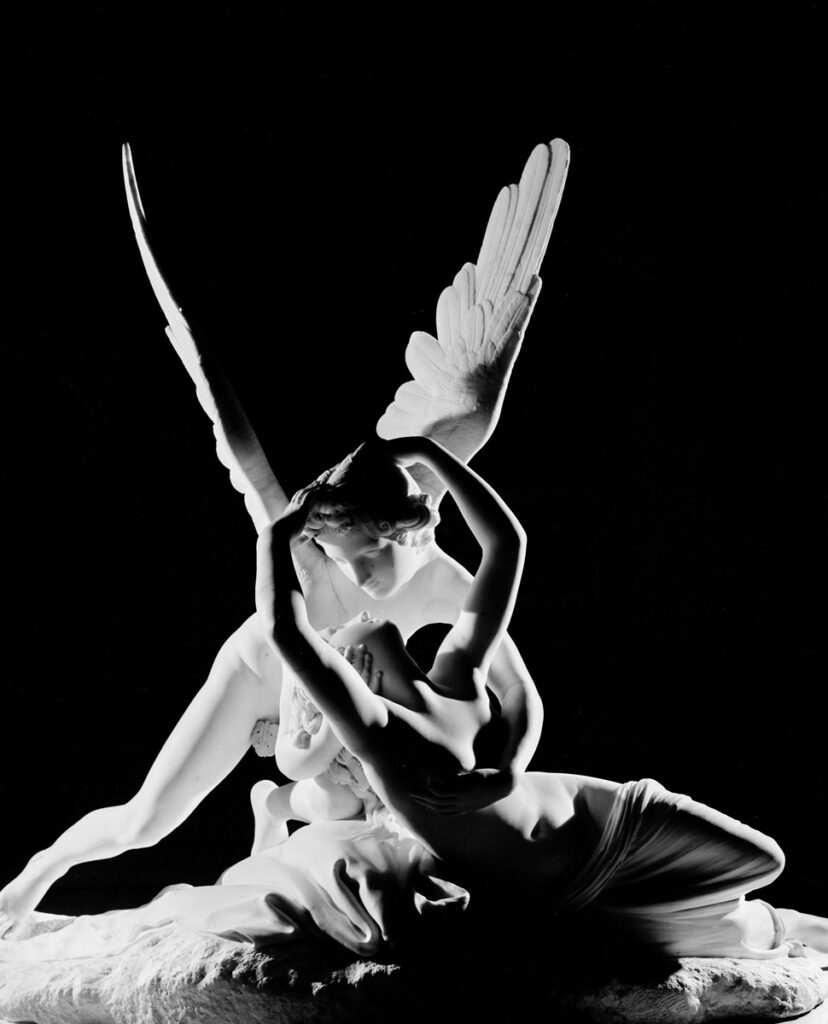
Aurelio Amendola
Amore e Psiche, Antonio Canova, Museo Hermitage, Sanpietroburgo, Russia (full) Read more -

Aurelio Amendola
David, Michelangelo, Galleria dell’Accademia, Firenze Read more -

Aurelio Amendola
Le Tre Grazie, Antonio Canova, Roma Read more -

Aurelio Amendola
Lorenze de’ Medici, Michelangelo, Cappelle Medicee, Firenze Read more -

Aurelio Amendola
Ratto di Proserpina, Bernini, Galleria Borghese, Roma Read more
-

Garry Fabian Miller
A Lost Colour Palette Read more -

Garry Fabian Miller
Angel Read more -

Garry Fabian Miller
Bliss – Special edition book with Now Close Your Eyes Add to cart -

Garry Fabian Miller
Blue Yellow Red Read more -
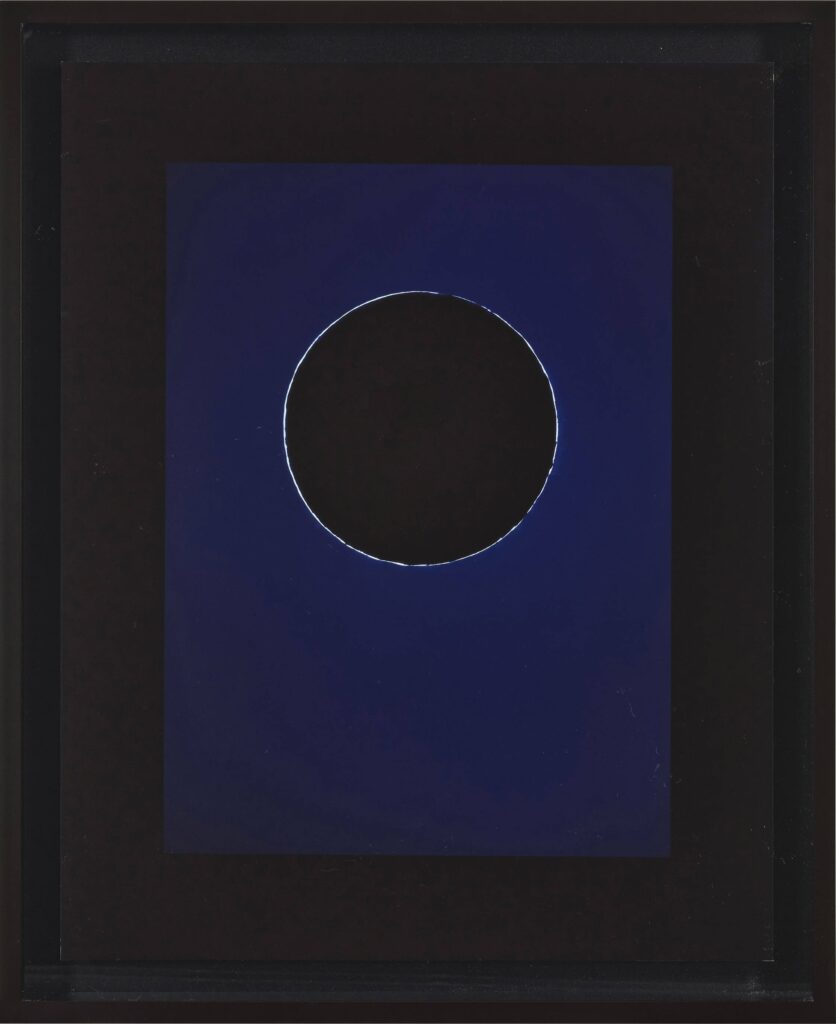
Garry Fabian Miller
Edrinos Single D Read more -

Garry Fabian Miller
Elembiuos Single No. 50 Read more -
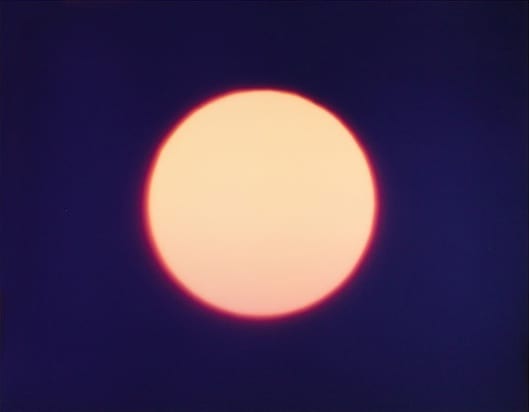
Garry Fabian Miller
The Near Bright Read more -

Garry Fabian Miller
The Warmest Glow Read more -

Garry Fabian Miller
White in Blue Read more
-

Edward Weston
Cabbage Leaf Add to cart -

Edward Weston
Dante’s View, Death Valley Add to cart -

Brett Weston
Dune (Untitled) Add to cart -

Brett Weston
Dune, Oceano Add to cart -

Edward Weston
Dunes, Oceano Add to cart -
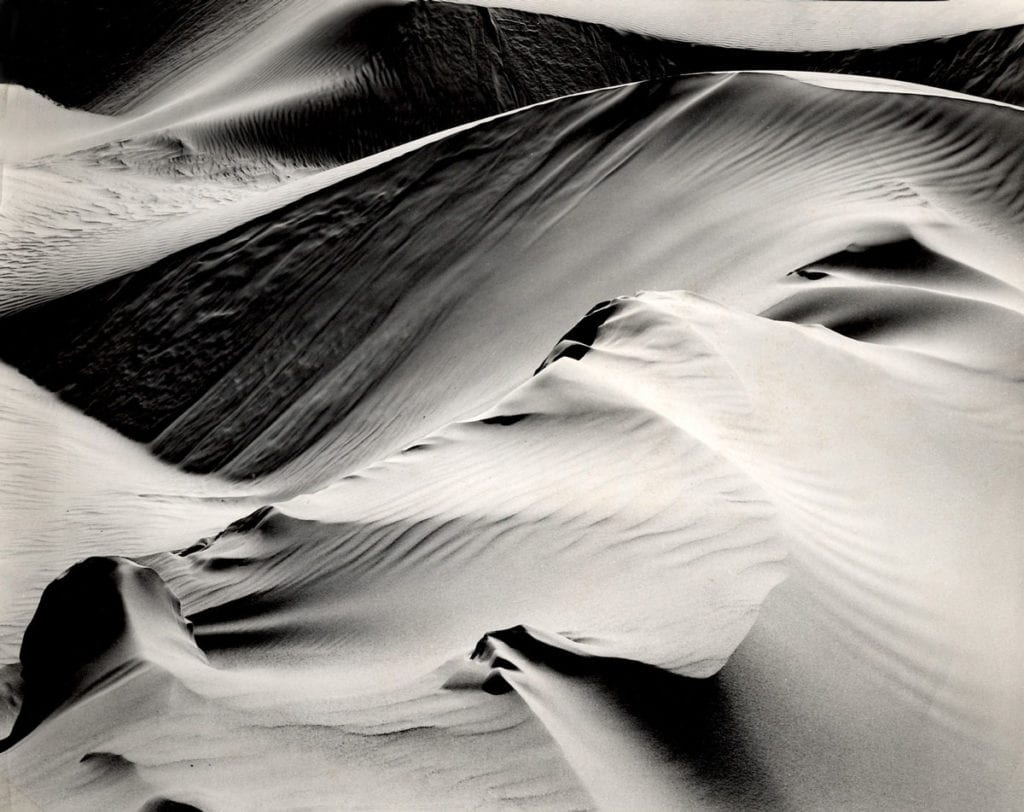
Brett Weston
Dunes, White Sands, New Mexico Add to cart -

Edward Weston
Fungus Add to cart -

Edward Weston
Kale Halved Add to cart -

Brett Weston
Mendenhall Glacier Add to cart -

Edward Weston
Pepper No. 30 Add to cart -

Edward Weston
Sand Dunes, Oceano Add to cart -

Edward Weston
Two Shells Add to cart




The relationship between color and form in photography represents one of the medium’s most fundamental yet endlessly complex conversations. In contemporary photography, color functions not merely as an aesthetic overlay but as an active agent in the construction and definition of form itself. The relationship between chromatic information and dimensional presence has preoccupied photographers since the medium’s inception, but it is in the work of artists like Christopher Bucklow, Garry Fabian Miller, Jan Groover, Aurelio Amendola, and Edward Weston that we find some of the most profound investigations into how color—or its strategic absence—can generate, articulate, and transform our perception of form. These photographers demonstrate that color is not simply applied to form but rather participates in its very genesis and legibility.
Christopher Bucklow’s extraordinary photograms reveal color as a constructive material, literally building form from accumulated points of light. In his Guest series, Bucklow pierces thousands of minuscule holes into aluminum sheets shaped as human silhouettes, then exposes photographic paper to sunlight through these perforations. The resulting images are luminous figures composed entirely of colored light particles—celestial blues, warm ambers, soft violets—each dot a tiny chromatic event that collectively coheres into bodily and almost spiritual presence. What makes Bucklow’s work so remarkable is that in his cibachrome photographs, form has no existence independent of color. There is no underlying structure that color merely describes; instead, color itself aggregates into form. The human figure emerges as a constellation of hues, its boundaries defined by where colored light yields to blank paper. The body becomes pure radiance, its solidity an optical illusion created by the density and intensity of chromatic information. Bucklow proves that color can possess architectural properties—that it can build volume and mass through accumulation and gradation.
Garry Fabian Miller extends this investigation into non-representational territory, creating photographs without cameras that explore color’s capacity to generate spatial form in the absence of depicted objects. Working in complete darkness with light-sensitive materials, Fabian Miller choreographs exposures to light that result in fields of saturated, luminous color. In an ongoing project spanning decades, single rectangles, squares, or circles of color—a deep cobalt blue, a burning orange, a tender pink—appear to advance or recede, to compress or expand space through their chromatic intensity alone. Fabian Miller’s genius lies in recognizing that color relationships create their own spatial logic. A dark perimeter surrounding a lighter center suggests a window or portal; gradual transitions from one hue to another imply dimensional depth; saturated colors seem to push forward while muted tones recede. His fields of luminous color seem to breathe with their own internal light. Without representing any recognizable form, Fabian Miller demonstrates how color operates according to its own phenomenological rules, sculpting virtual spaces and implied volumes purely through chromatic modulation. His work suggests that form in photography can be entirely constructed rather than recorded, generated through color’s inherent spatial properties.
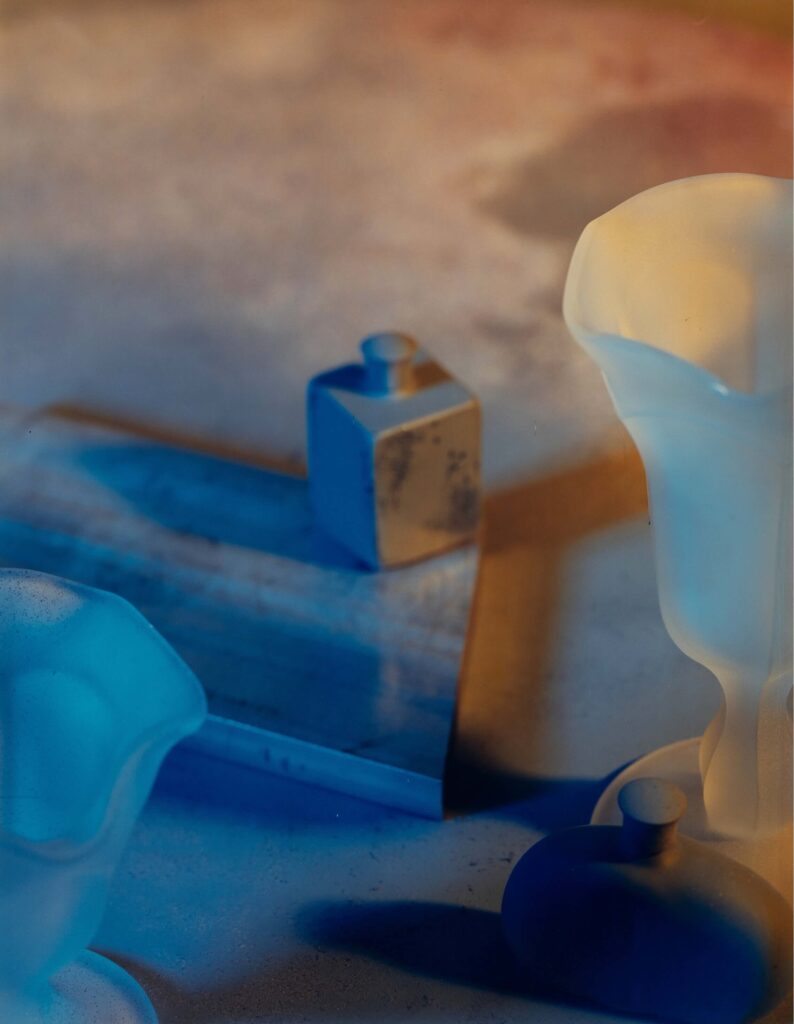
Jan Groover’s still life photographs offer a different perspective on color’s form-defining capacity, one rooted in the meticulous observation of domestic objects. In her celebrated kitchen still lifes from the late 1970s and early 1980s, Groover arranged ordinary utensils, plants, and vessels into complex compositions where color becomes the primary organizing principle. The chrome gleam of a knife, the matte red of a block, the translucent green of a glass bottle—each chromatic element functions as a discrete formal unit. Groover understood that color creates visual weight and hierarchy: a small area of intense red can balance a larger expanse of neutral gray, while a bright yellow spoon can anchor an entire composition. More significantly, she recognized how color defines the boundaries between objects, articulating where one form ends and another begins. In her tightly cropped, shallow-space compositions, overlapping objects are distinguished primarily through chromatic contrast rather than linear separation. It is as if she has taken lessons from Morandi, working within variations of staging objects as forms that become dimensional partially through their optical colors and their placement within the picture plane. Groover’s work demonstrates that in photography—particularly color photography—form is inseparable from its chromatic identity. To change an object’s color would be to fundamentally alter its formal presence. The complexity of arranging, lighting, and playing one form and color off another produces a tonal interplay of surfaces unified through the viewfinder of the camera.
Aurelio Amendola’s black-and-white photographs of the marble sculptures of Bernini, Canova, and Michelangelo provide essential insight into how the absence of chromatic color can intensify formal clarity. In his documentation of Renaissance and Baroque masterpieces, Amendola transforms polychrome reality into monochrome, where every formal distinction must register as a relationship between light and shadow, between tonal values along the grayscale continuum. White marble against black backgrounds creates absolute formal definition: the curve of a shoulder, the hollow of drapery, the tension in a carved hand all manifest through gradations of gray. Here, the reduction to monochrome functions as a kind of formal purification, stripping away color’s emotional and associative content to reveal underlying geometric and volumetric structure. The curve of a marble cheek, the hollow of an eye socket, the tension in a stone muscle—all register as shifting tonal densities, teaching us that color’s relationship to form is not always additive but sometimes reductive. Yet paradoxically, this “absence” of color is itself a chromatic choice that profoundly affects how we perceive form. The monochrome palette transforms three-dimensional sculptures into graphic images where form reads as pattern, as the interplay of light and dark shapes. Amendola shows us that even the decision to work without color is a decision about how color—in its reduced, tonal form—will define dimensional presence. Printed on heavy silver paper, the seductive range between black and white and the sensual surface of the marble bring the images to life.
Edward Weston’s black-and-white photographs similarly demonstrate how tonal relationships constitute a pure expression of form, equally concerned with how value gradations articulate volume and surface. In his iconic studies of peppers, shells, and the human body, Weston achieved an almost hallucinatory clarity of form through exquisite control of tonality. Pepper No. 30 remains one of photography’s supreme examples of form revealed through light: the vegetable’s sensuous curves rendered in an expansive range of grays, each subtle shift describing a change in surface orientation, each shadow suggesting depth and weight. Weston understood that in monochrome photography, gray is not the absence of color but rather a complete chromatic system unto itself, capable of describing form with precision and poetry. Deep blacks anchor volume, bright highlights define peaks and ridges, and middle grays articulate subtle undulations between extremes. Form emerges as orchestrated tonality, as a symphony of values that guide the eye across surfaces and into depths. His images of the sands of Oceano are further examples of the almost imperceptible range of form and tone that can be expressed in a two-dimensional photograph.
Considered together, these five photographers reveal color’s multifaceted relationship to form in photography. Bucklow and Fabian Miller demonstrate color’s generative capacity—its ability to create form from nothing but chromatic relationships and light. Groover shows how color organizes and differentiates forms in complex spatial arrangements, functioning as both descriptive tool and compositional structure. Amendola and Weston prove that even in monochrome’s reduced palette, tonal color remains essential to formal articulation, perhaps achieving its purest expression through limitation. What unites these diverse practices is a shared recognition that color in photography is never neutral or transparent. It does not simply record the colors of things in the world; it actively constructs how we perceive dimensional presence, spatial relationships, and material substance. Color defines edges, suggests weight, implies texture, and organizes visual hierarchies. Whether working with chromatic saturation or tonal reduction, with representation or abstraction, these photographers engage color as a fundamental element of photographic form-making. These artists remind us that seeing is never passive. They teach us that to understand form in photography is necessarily to understand color, and that the dialogue between chromatic information and dimensional presence remains one of the medium’s most fertile territories for exploration and revelation.