Brassaï (Gyula Halasz)
Brassaï (born Gyula Halász, 1899–1984) was a Hungarian‑born photographer whose nocturnal vision of Paris transformed the city’s shadowed streets and bohemian nightlife into a modern myth. Born on September 9, 1899, in Brassó (now Brașov, Romania), he studied painting in Budapest and Berlin, moving to Paris in 1924 as a journalist. There he encountered Eugène Atget in 1925—whose unembellished portraits of the city would deeply influence him—and befriended fellow Hungarian André Kertész, whose assignments he sometimes accompanied.
In 1929 Brassaï borrowed a Voigtländer camera and began photographing by night. Over the next three years he roamed the deserted avenues, gaslit squares, and hidden corners of Paris, mastering the technical challenges of low light and long exposures. His landmark book Paris de Nuit (1932) paired these stark cityscapes with candid studies of “night owls”—tramps, prostitutes, lovers, and dancers—revealing a rich underworld of humanity under lamplight.
Throughout the 1930s he contributed to Surrealist journals like Minotaure, forging friendships with writers and artists of the movement, and in 1937 he began a long association with Harper’s Bazaar, producing elegant photographic essays on literary and artistic personalities. After the death of his patron Carmel Snow in 1962, Brassaï largely retired from new photography and devoted himself to printing his existing negatives and issuing new editions of his seminal works.
By blending documentary rigor with poetic empathy, Brassaï created a purely photographic language—neither surrealist spectacle nor straightforward reportage—that celebrated the magic and mystery of urban life. His images have come to define our collective imagination of Paris by night and remain enduring touchstones in the history of modern photography.
Photography & Works
-

Brassaï (Gyula Halasz)
Chez Suzy, En Attendant Le Client Add to cart -

Brassaï (Gyula Halasz)
Chez Suzy, la présentation, Quartier Saint-Germain-Des-Près Add to cart -

Brassaï (Gyula Halasz)
Clochard avec son chat Add to cart -

Brassaï (Gyula Halasz)
Couple Au Bal Blomet, Paris Add to cart -

Brassaï (Gyula Halasz)
Deux Filles De Montmartre Add to cart -
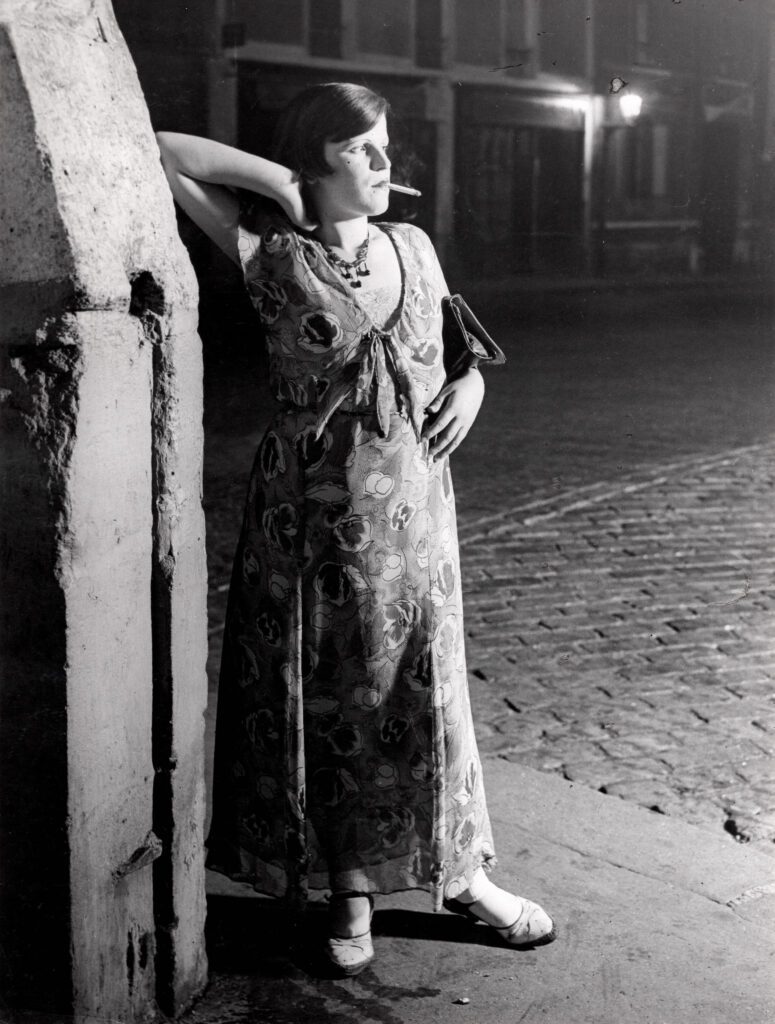
Brassaï (Gyula Halasz)
Fille De Joie Du Quartier Italien Dans Une Robe Printanière Add to cart -
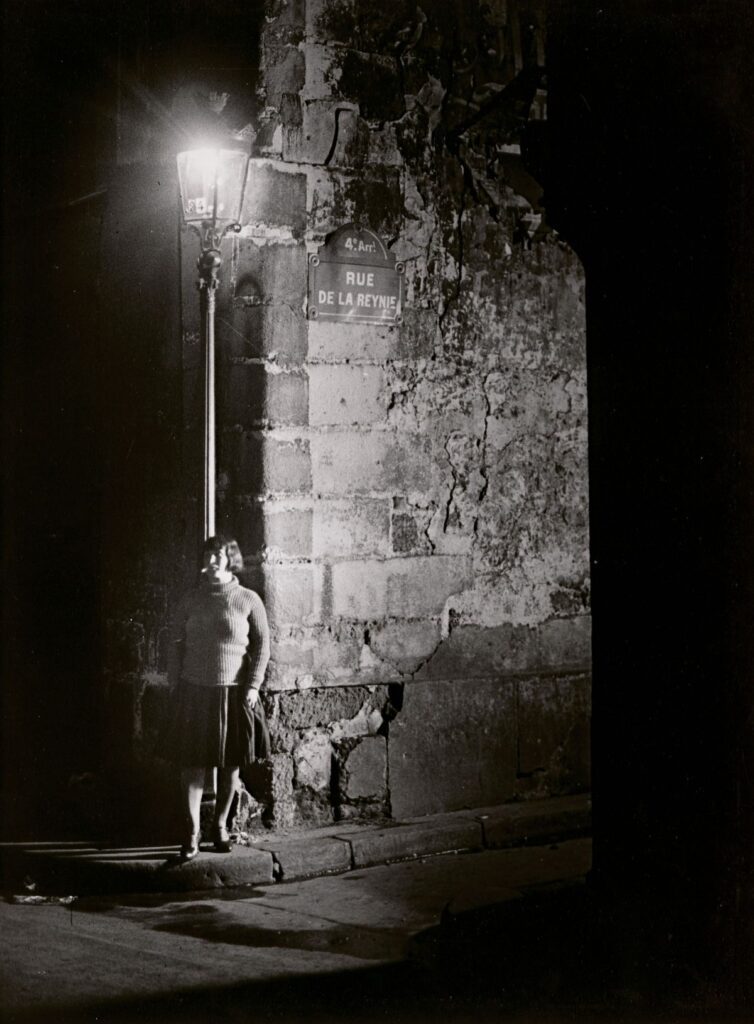
Brassaï (Gyula Halasz)
Fille des Halles, Pres de Sebastopol Add to cart -
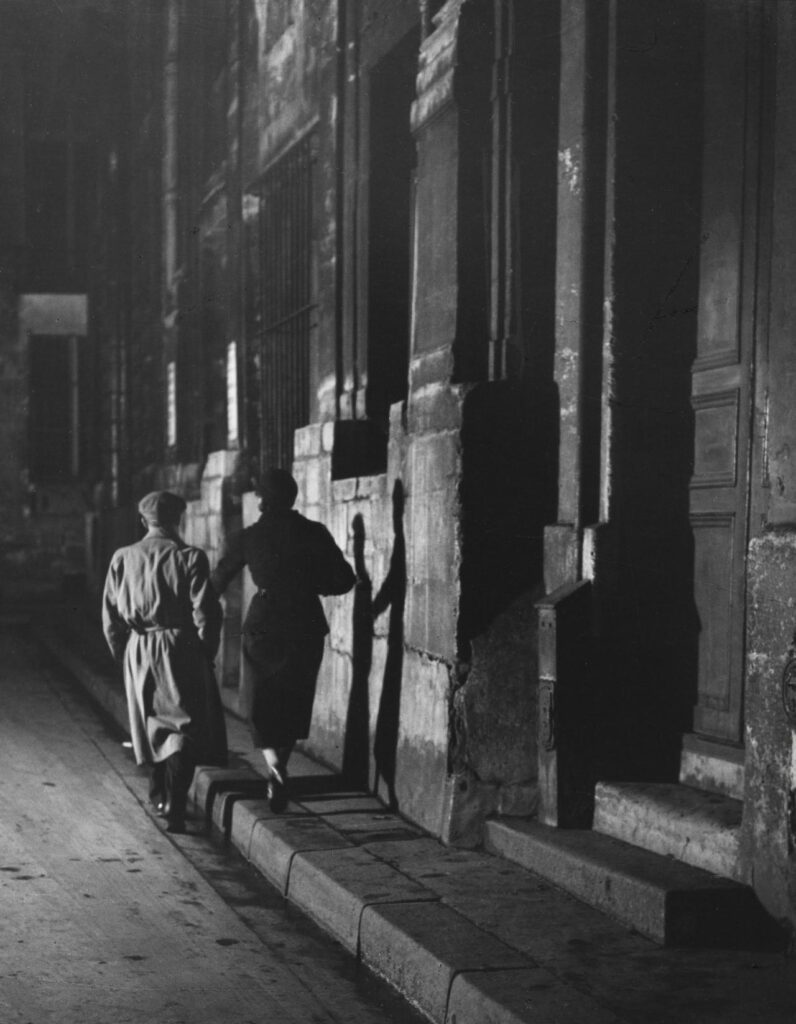
Brassaï (Gyula Halasz)
Filles des Halles and La Retape, Quartier des Halles Add to cart -

Brassaï (Gyula Halasz)
Groupe d’Hommes, autour du “Zinc” dans un bistrot, Rue de Lappe Add to cart -

Brassaï (Gyula Halasz)
Introduction Chez Suzy, rue Grégoire-de-Tours, Paris Add to cart -

Brassaï (Gyula Halasz)
La Grosse Fille de Joie, Quartier Italie Add to cart -
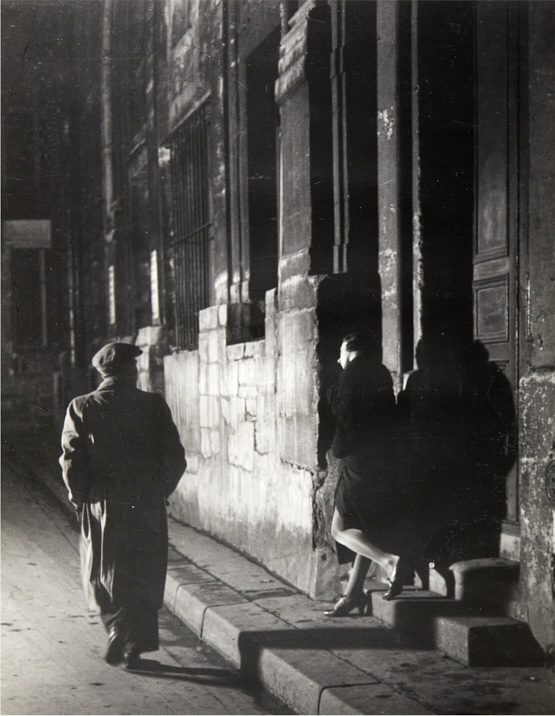
Brassaï (Gyula Halasz)
La Retape, Quartier des Halles Add to cart -

Brassaï (Gyula Halasz)
Le 14 Juillet, Place De La Bastille, Paris Add to cart -

Brassaï (Gyula Halasz)
Le Bal de Quatre-Saisons, Rue De Lappe Add to cart -
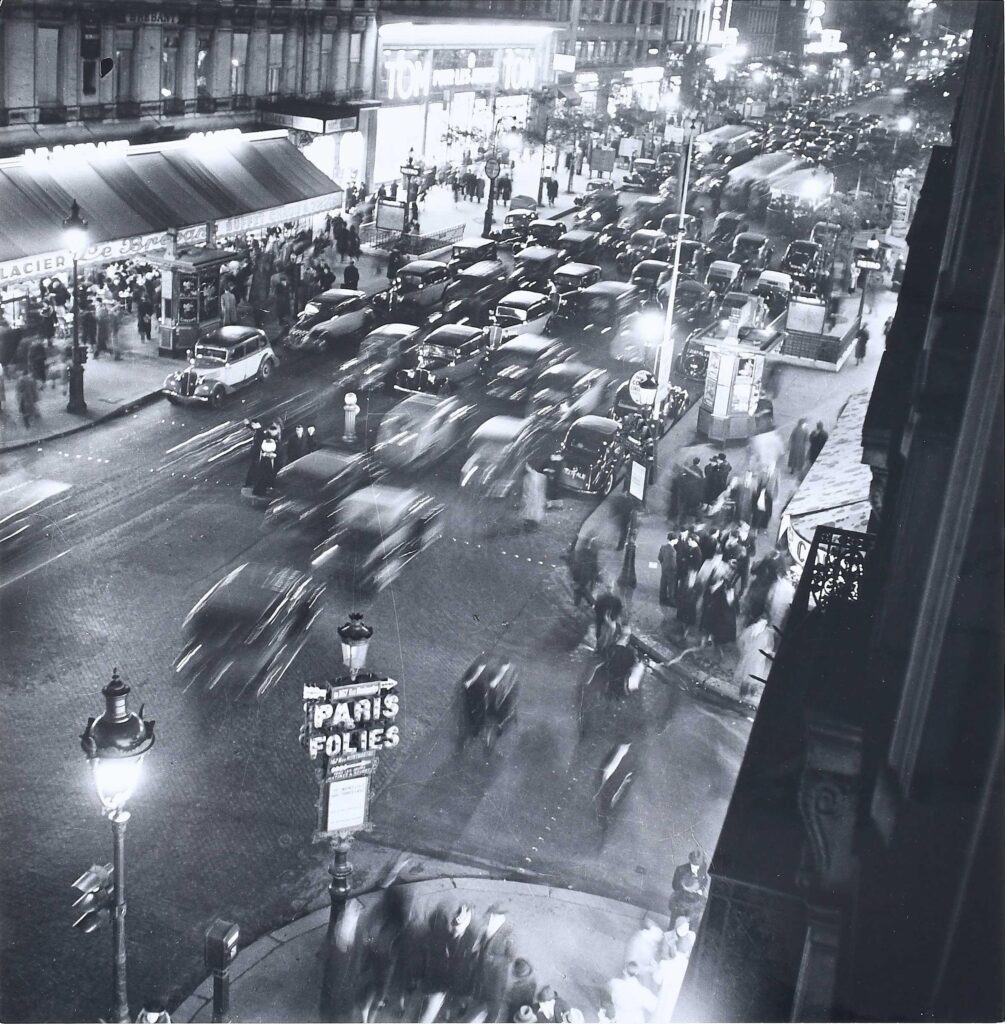
Brassaï (Gyula Halasz)
Les Grands Boulevards Add to cart -

Brassaï (Gyula Halasz)
Matisse and his Model at the Villa D’Alésia, Paris Add to cart -
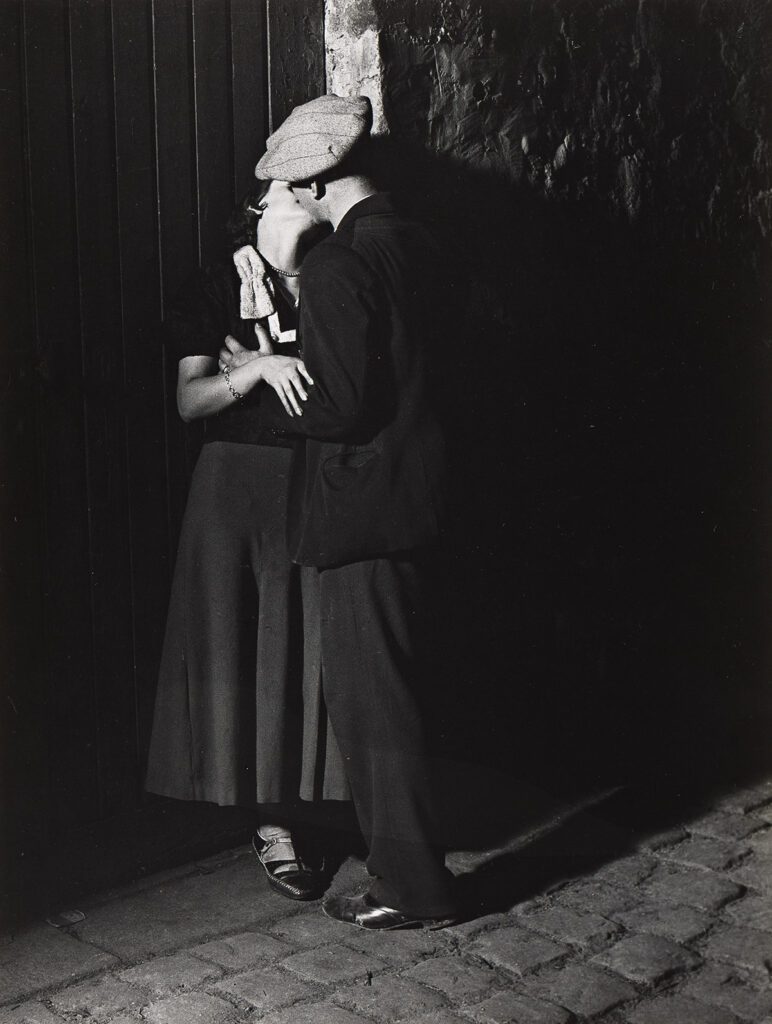
Brassaï (Gyula Halasz)
Pair of Lovers, Place d’Italie, Paris Add to cart -

Brassaï (Gyula Halasz)
Parade D’Un Spectacle De Fete Foraine, Boulevard Saint-Jacques, Paris Add to cart -

Brassaï (Gyula Halasz)
Picasso dans son studio Add to cart -

Brassaï (Gyula Halasz)
Picasso mime l’artiste peintre (with Jean Marais as model) Add to cart -

Brassaï (Gyula Halasz)
Picasso Tenant Une De Les Sculptures Add to cart -

Brassaï (Gyula Halasz)
Police Round-up, Paris Add to cart -
Brassaï (Gyula Halasz)
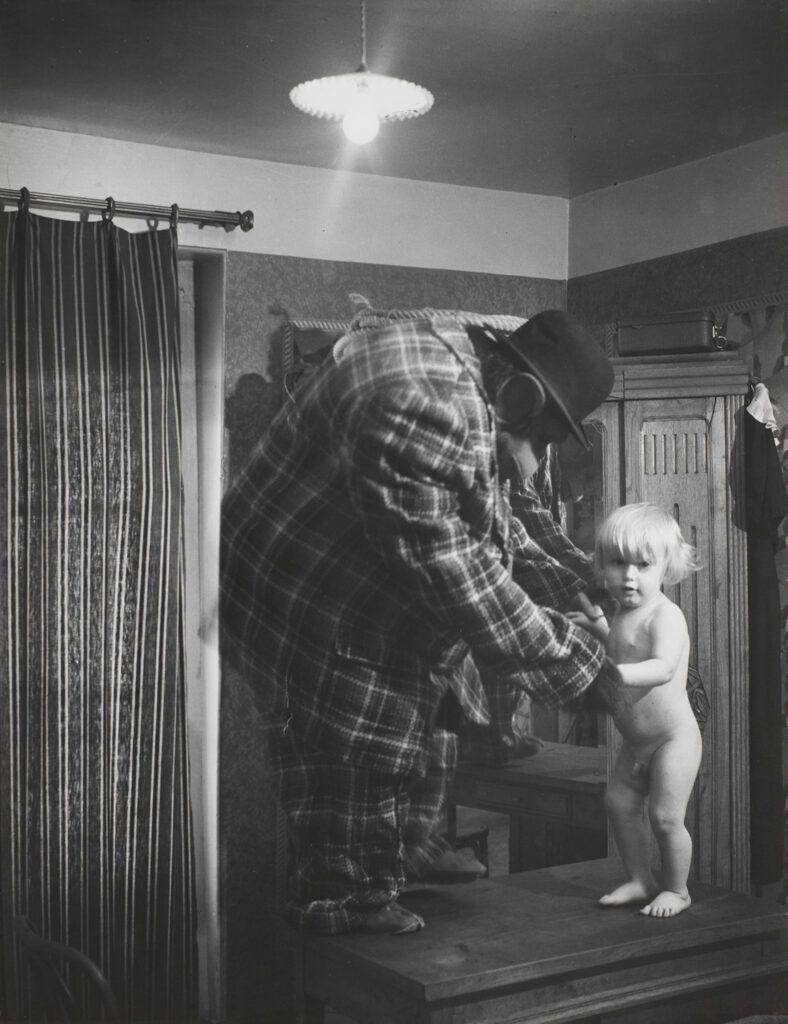
The Human Gorilla with His Son Peterchen, in the Acrobat’s Hotel Add to cart -

Brassaï (Gyula Halasz)
Un Bar Rue de Lappe (La Bastoche) Add to cart