
DECEMBER 13 – JANUARY 10, 2026
Mario Testino occupies a singular place in contemporary photography as one of the most recognizable and influential fashion and portrait photographers of the late twentieth and early twenty-first centuries. His work, spanning the pages of Vogue, Vanity Fair, and countless international editions, has helped shape the modern visual language of glamour. With an aesthetic that is polished yet alive with energy, Testino has influenced how beauty, luxury, and celebrity are pictured and understood in the global cultural imagination.
-
Mario Testino
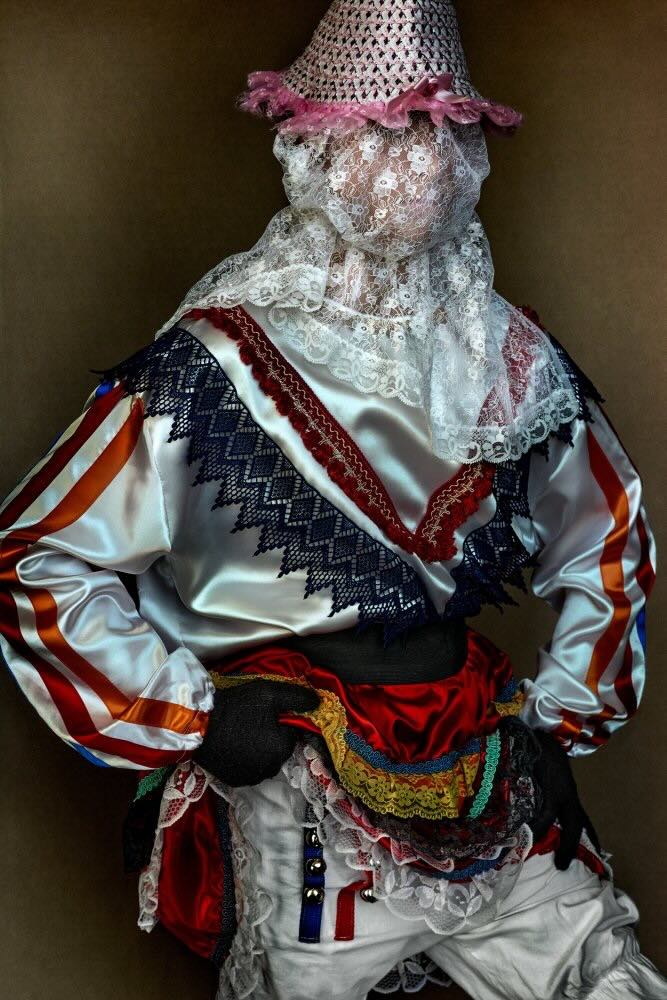
Ballo dei Pastori, Balestrate, Sicily, Italy, 2020 Add to cart -
Mario Testino
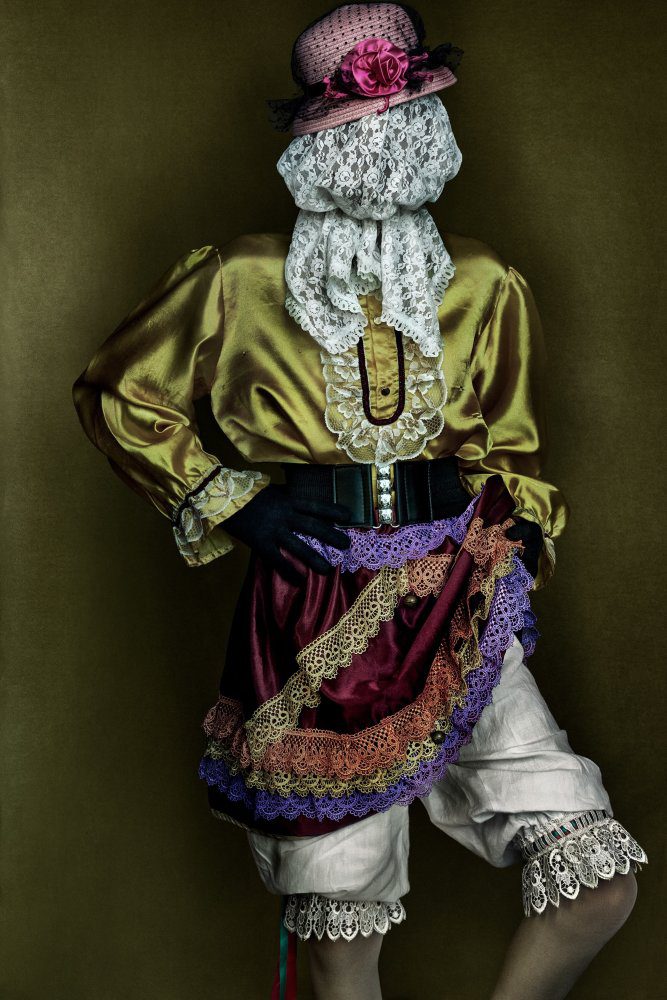
Ballo dei Pastori, Balestrate, Sicily, Italy, 2020 Add to cart -

Mario Testino
Carmen Kass, Los Angeles, Allure, 2009 Add to cart -
Mario Testino
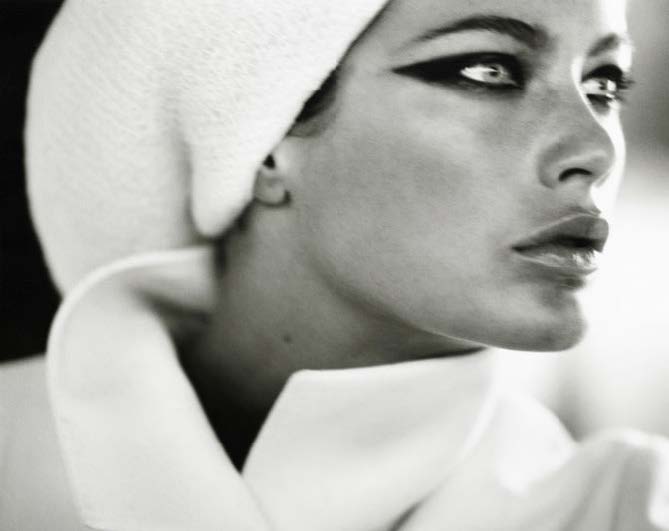
Carolyn Murphy, Saint-Tropez, Harper’s Bazaar, 1999 Add to cart -
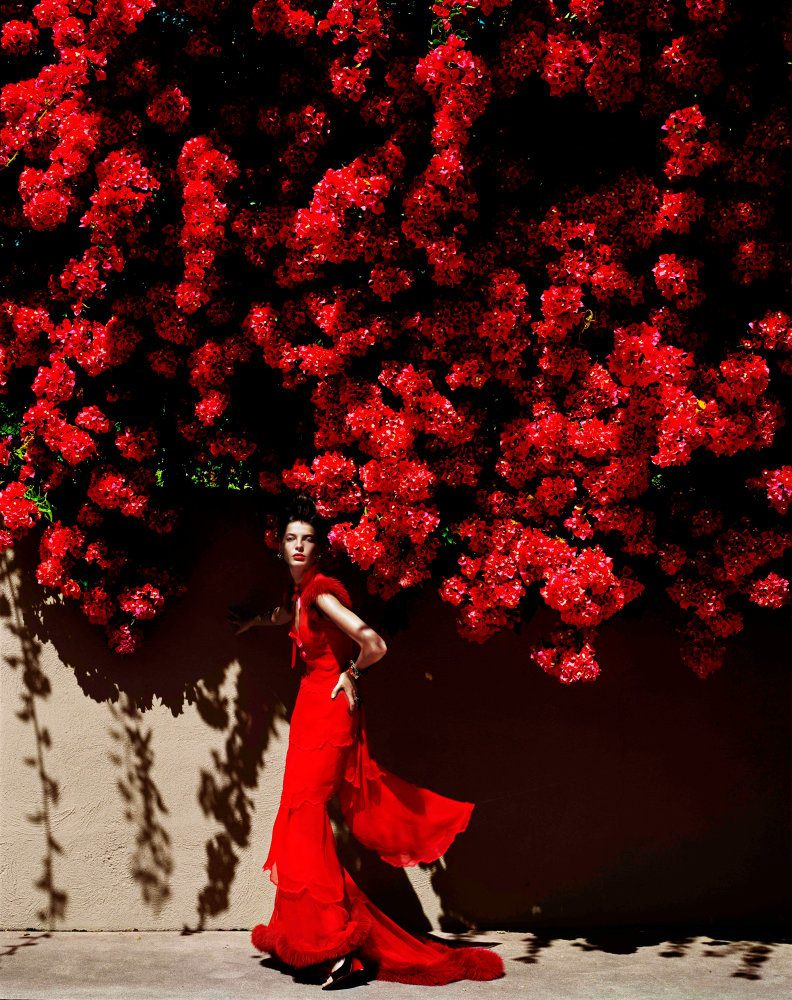
Mario Testino
Daria Werbowy, Los Angeles, American Vogue, 2004 Add to cart -
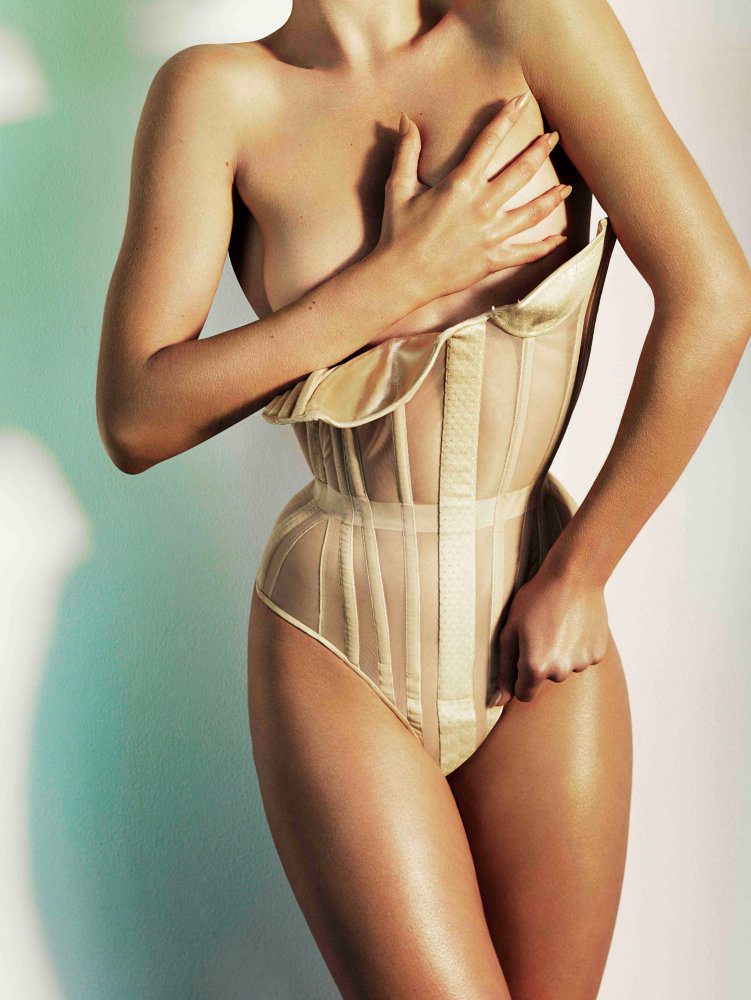
Mario Testino
Doutzen Kroes, New York, Allure, 2008 Add to cart -

Mario Testino
Emmanuelle Seigner, Paris, Vogue Paris, 2002 Add to cart -

Mario Testino
Fernanda Lima, Rio de Janeiro, Vanity Fair 2007 Add to cart -
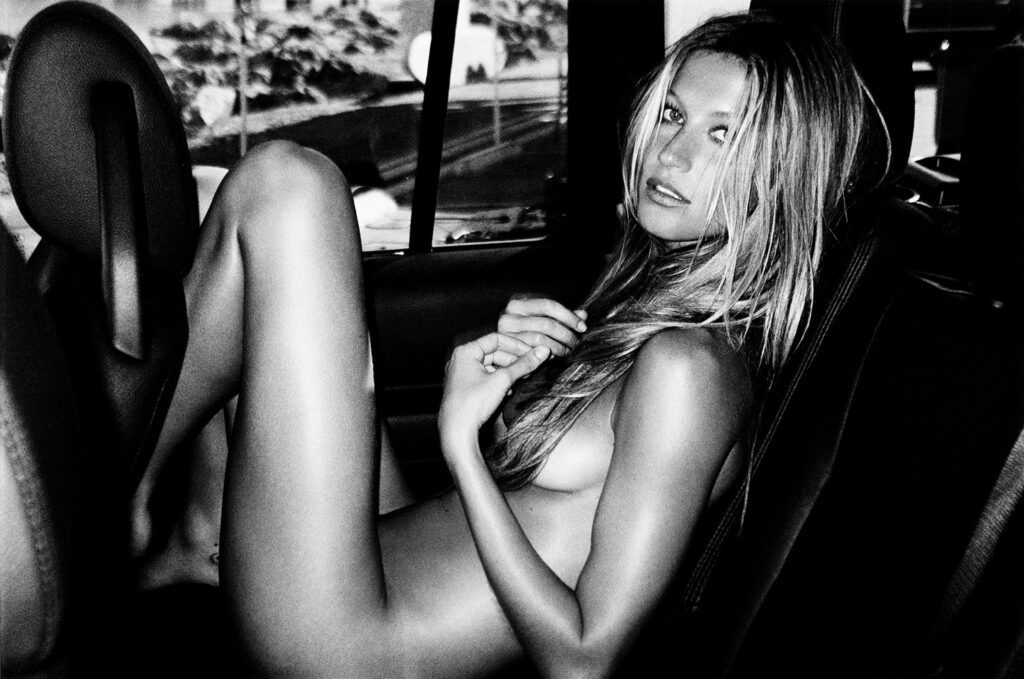
Mario Testino
Gisele Bündchen, London, 2007 Add to cart -
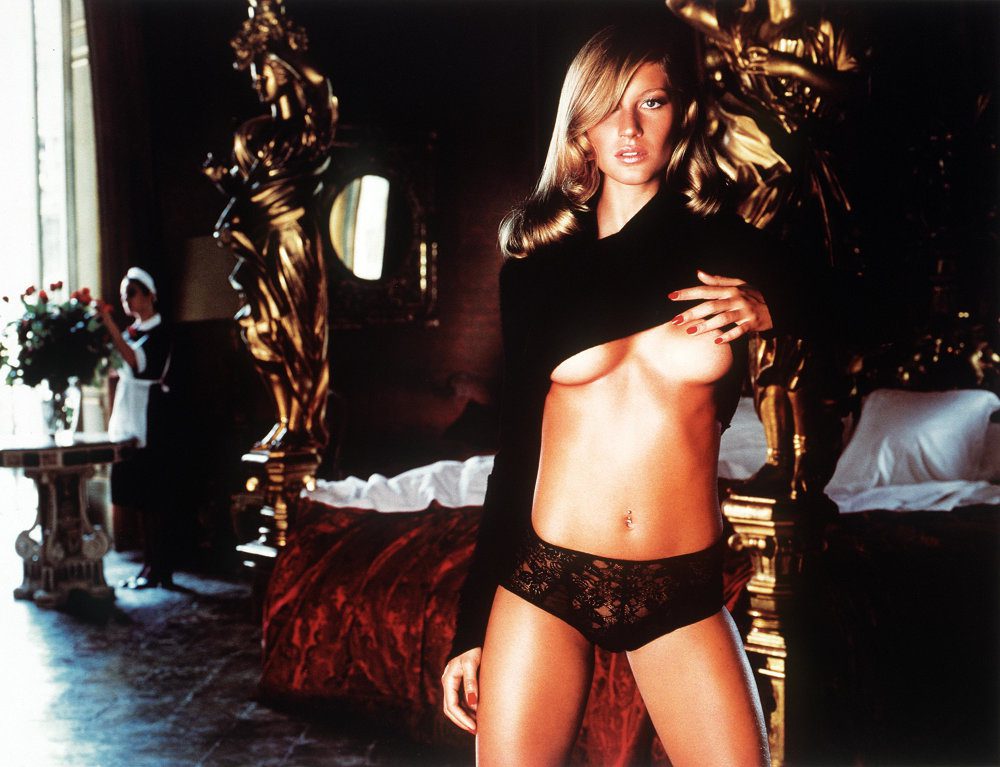
Mario Testino
Gisele Bündchen, Naples, Pirelli Calendar, 2000 Add to cart -

Mario Testino
Gisele Bündchen, Paris, Vogue Paris, 2002 Add to cart -
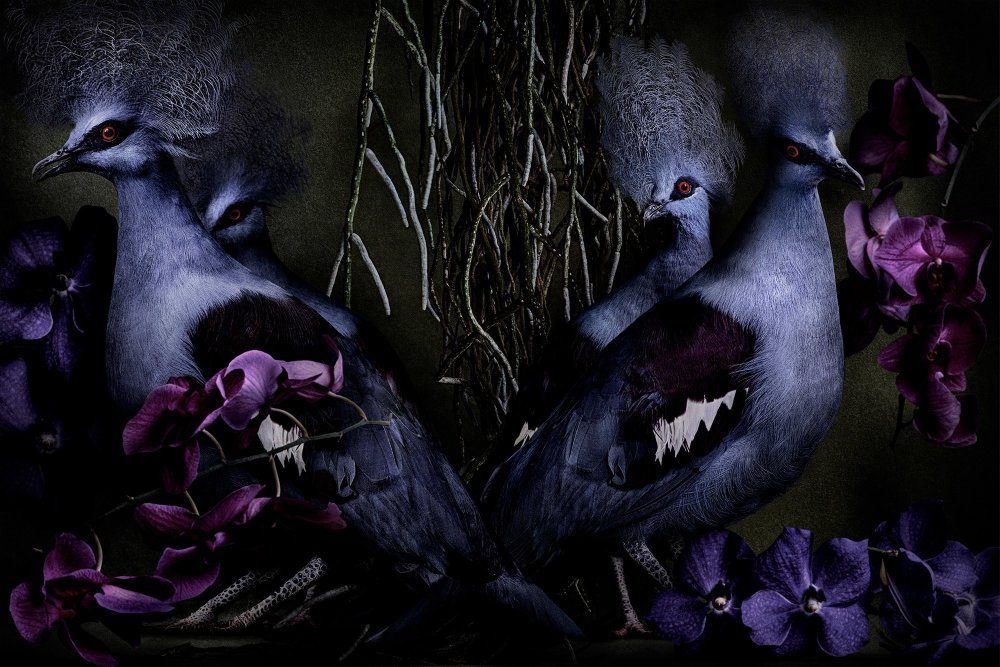
Mario Testino
Goura cristata, Brazil, 2022 Add to cart -

Mario Testino
Jennifer Lopez, Los Angeles, American Vogue, 2004 Add to cart -

Mario Testino
Karlie Kloss, Bahia, American Vogue, 2012 Add to cart -

Mario Testino
Kate Moss, London, 2006 Add to cart -
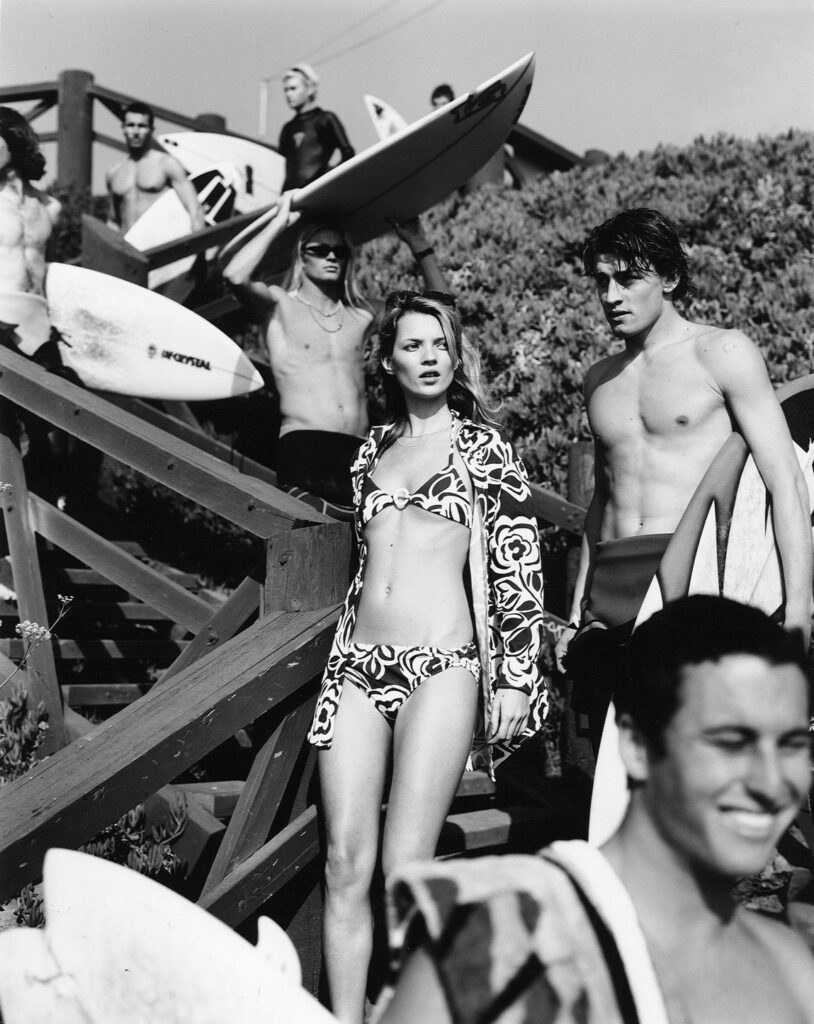
Mario Testino
Kate Moss, Los Angeles, Hapers Bazaar, 1996 Add to cart -

Mario Testino
Lady Gaga, New York, V Magazine, 2009 Add to cart -
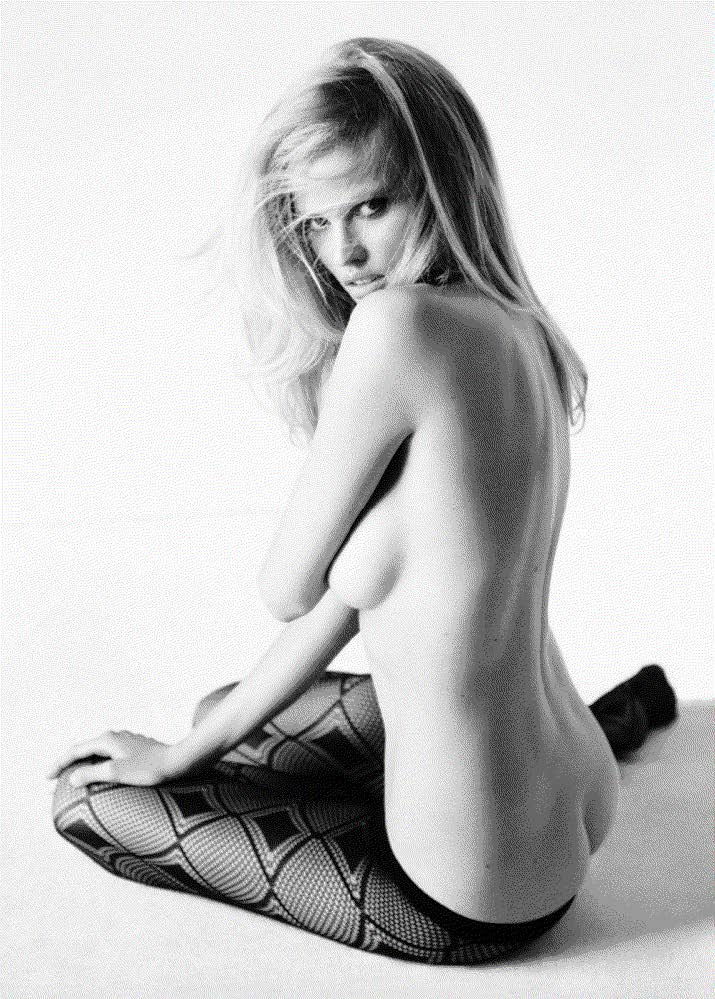
Mario Testino
Lara Stone, British GQ, London, 2011 Add to cart -

Mario Testino
Lindsay Lohan, Los Angeles, Allure, 2007 Add to cart -
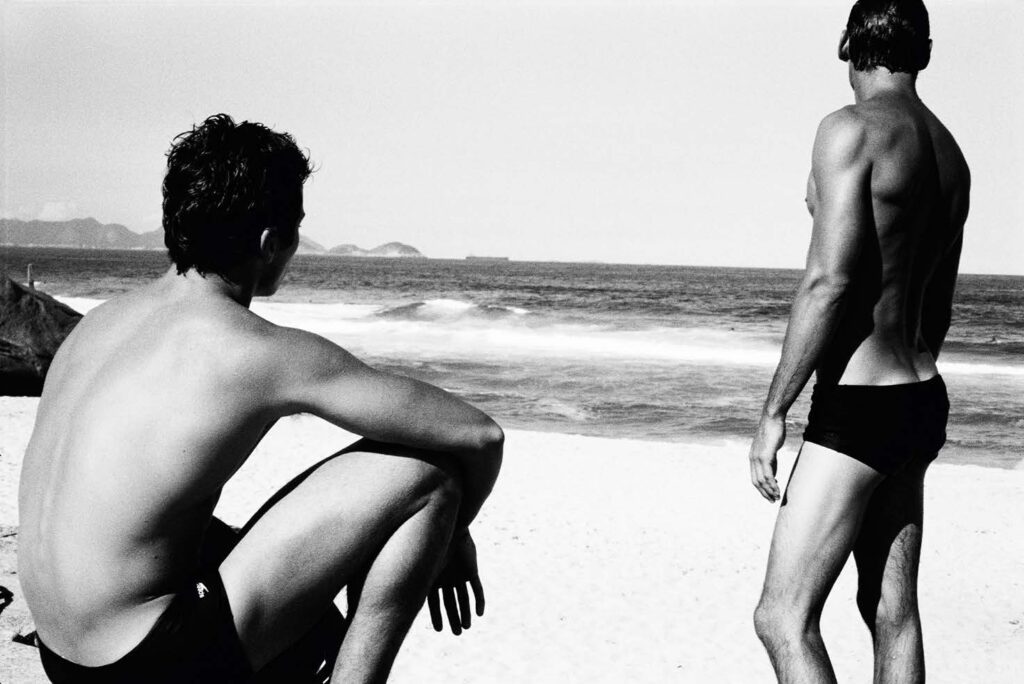
Mario Testino
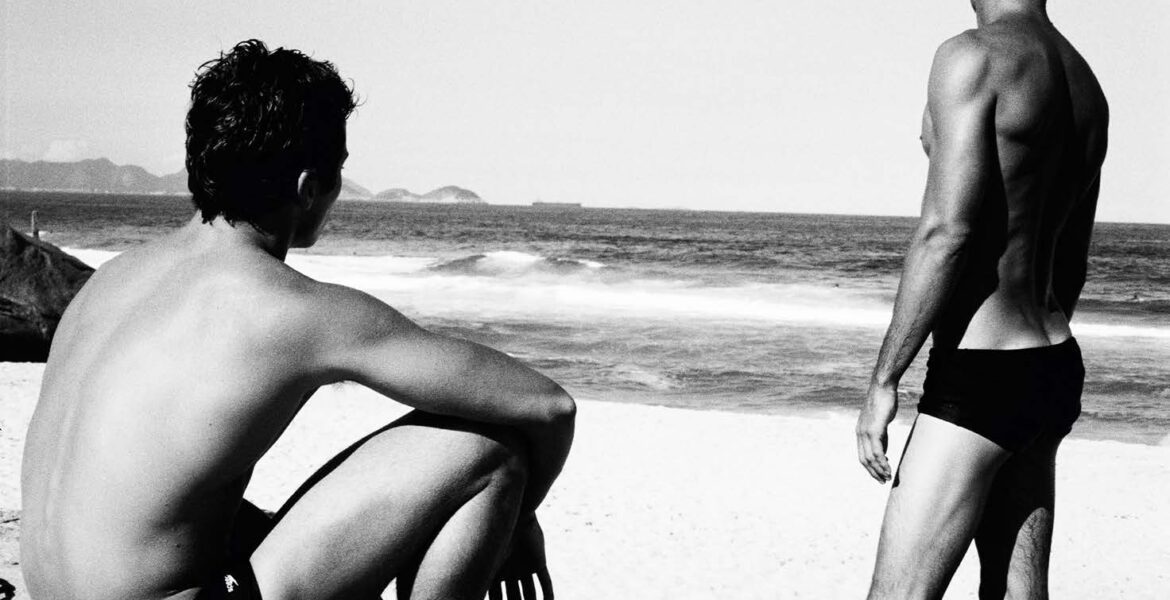
Marco Vinicius Toscana Lopez and Renato Ferreira, Rio de Janeiro, 2009 Add to cart -
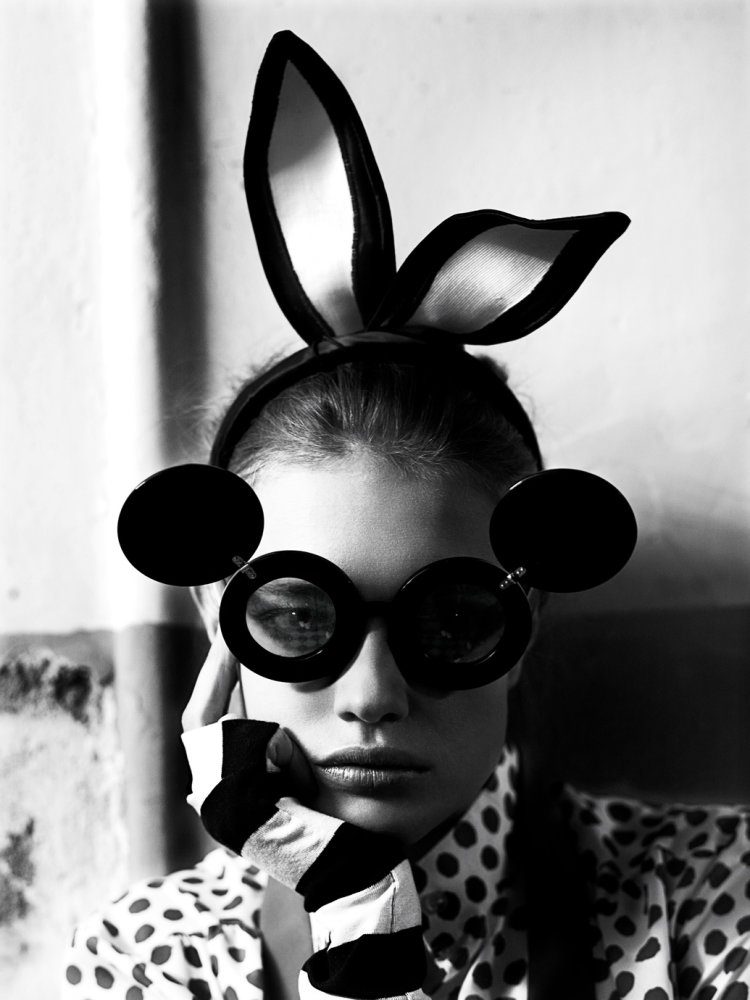
Mario Testino
Natalia Vodianova, Moscow, British Vogue, 2008 Add to cart -
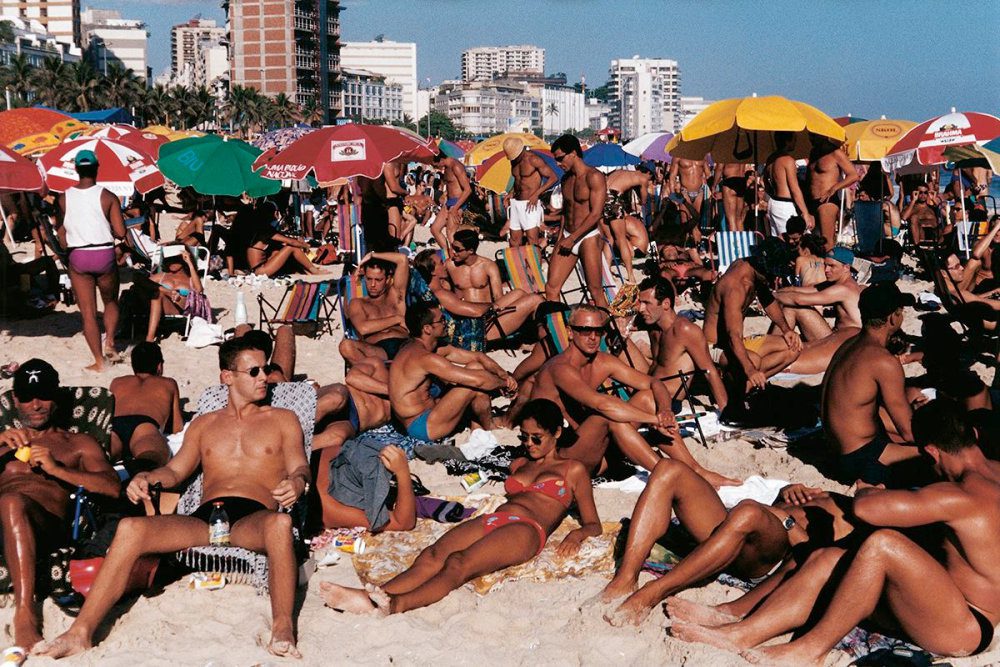
Mario Testino
Posto 9, Rio de Janeiro, 1997 Add to cart -
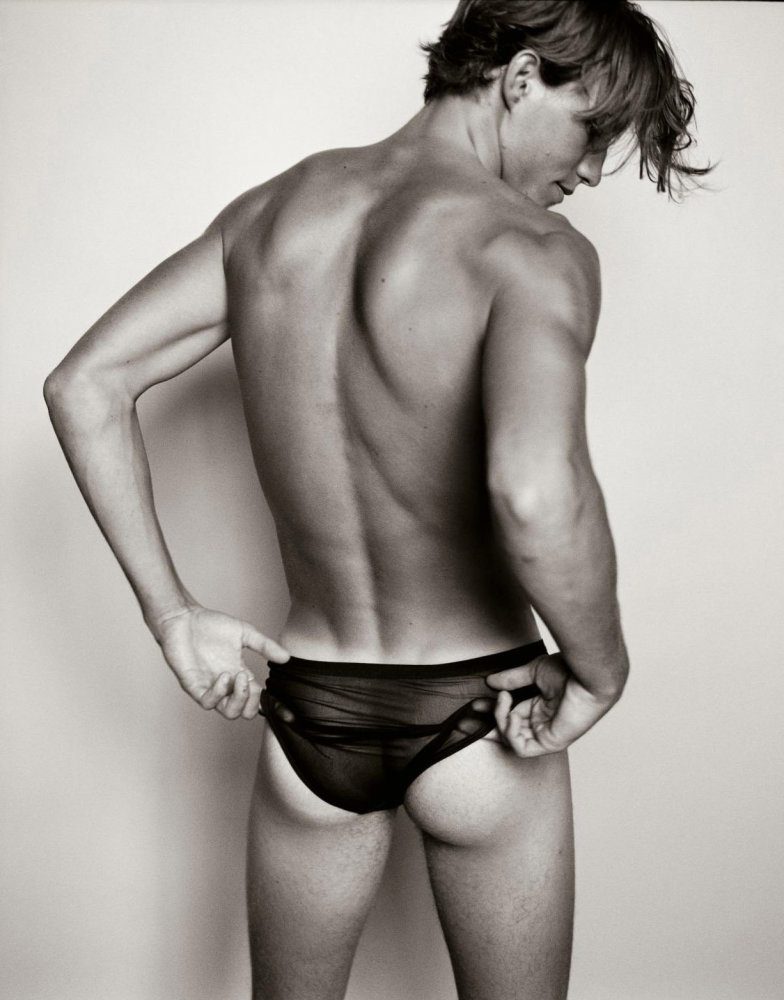
Mario Testino
Renaud, Paris, Gucci, 1997 Add to cart -
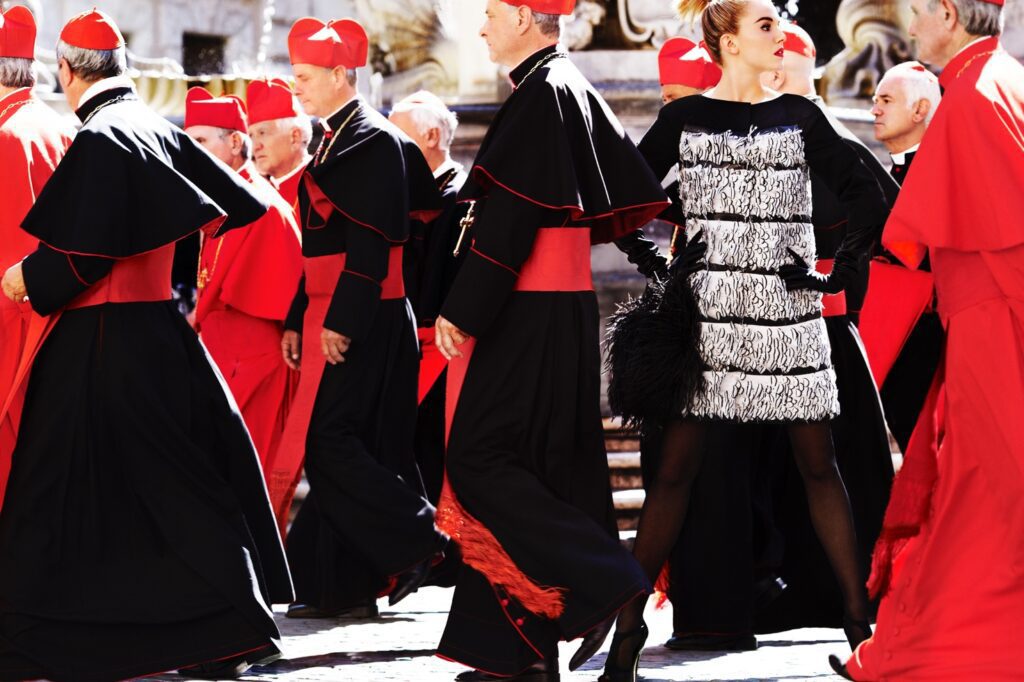
Mario Testino
Sienna Miller, Rome, American Vogue, 2007 Add to cart -
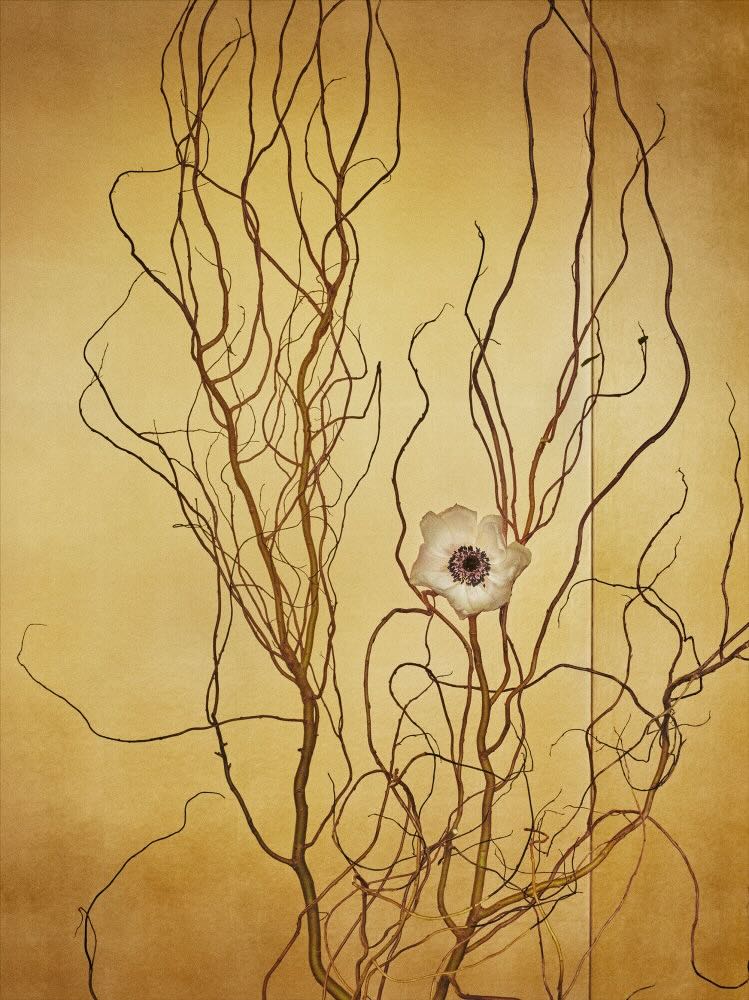
Mario Testino
Tokyo, 2018 Add to cart -
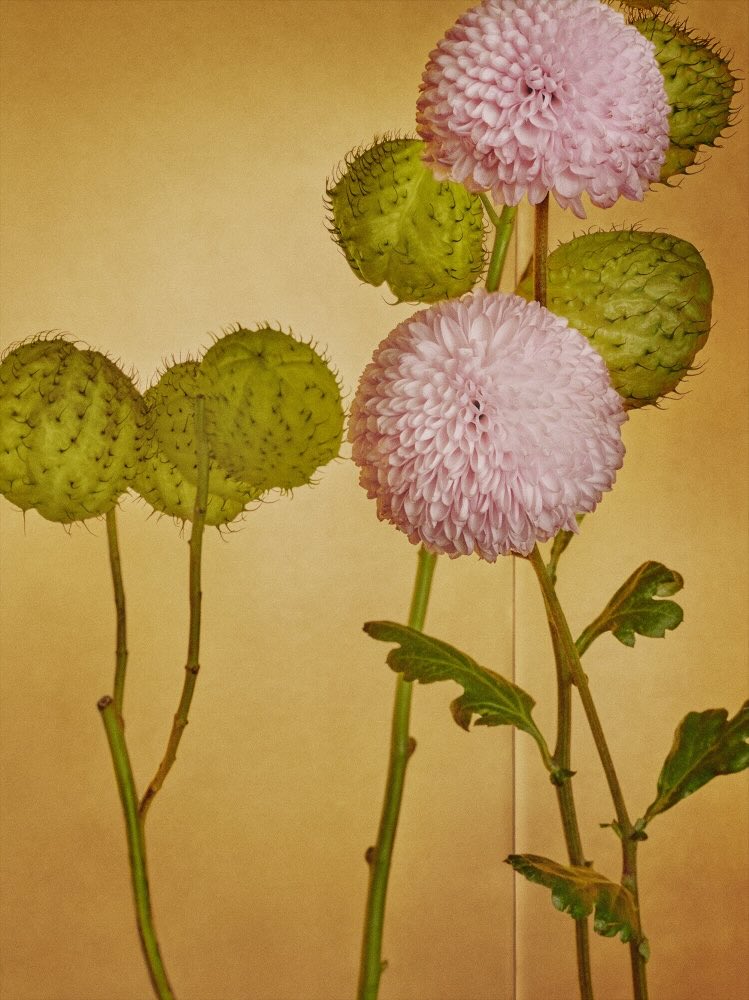
Mario Testino
Tokyo, 2018 Add to cart -
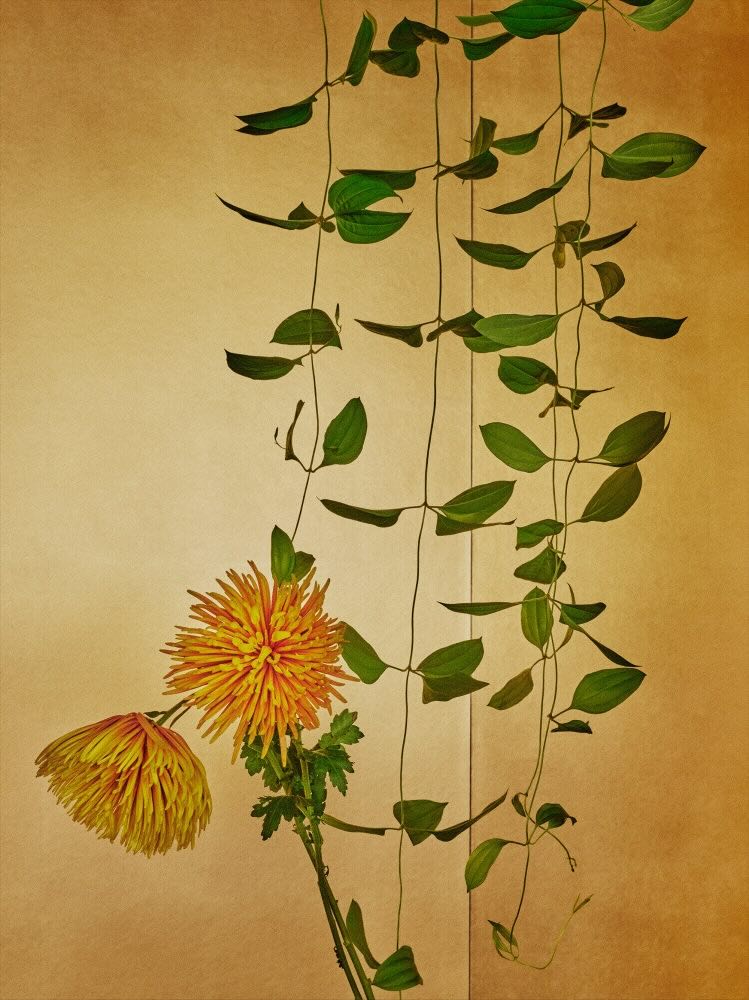
Mario Testino
Tokyo, 2018 Add to cart -
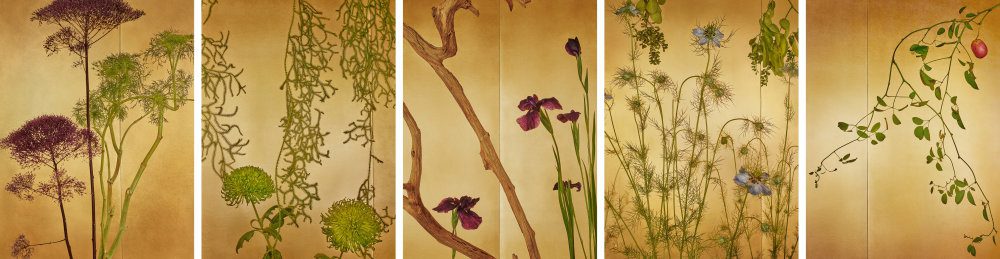
Mario Testino
Tokyo, 2018-2019 Add to cart -
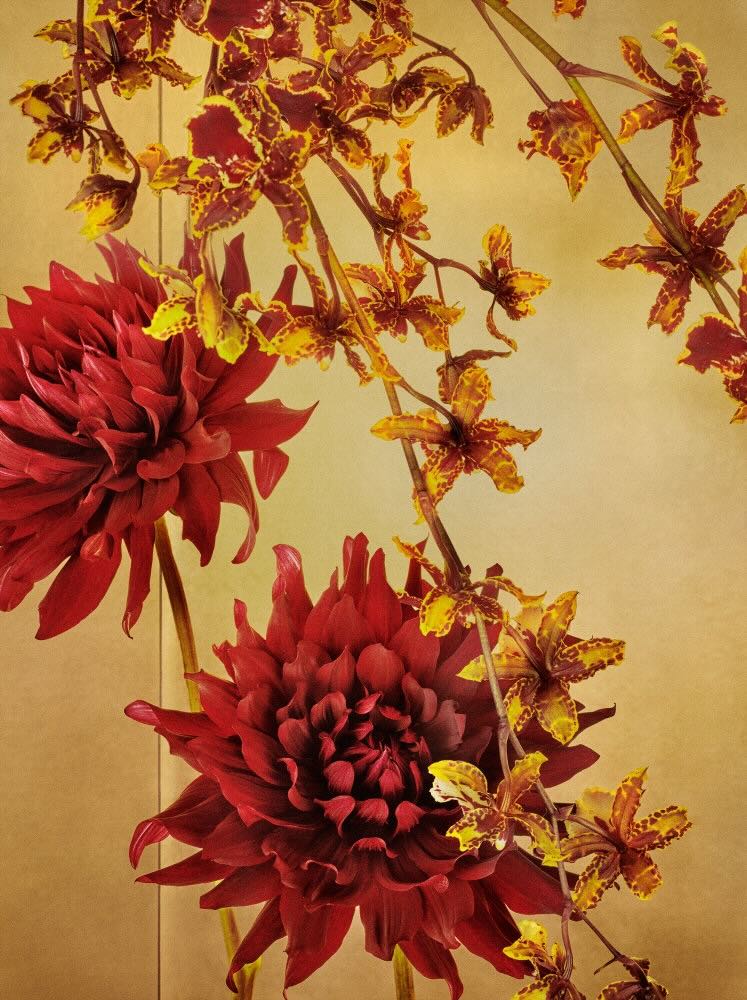
Mario Testino
Tokyo, 2019 Add to cart -
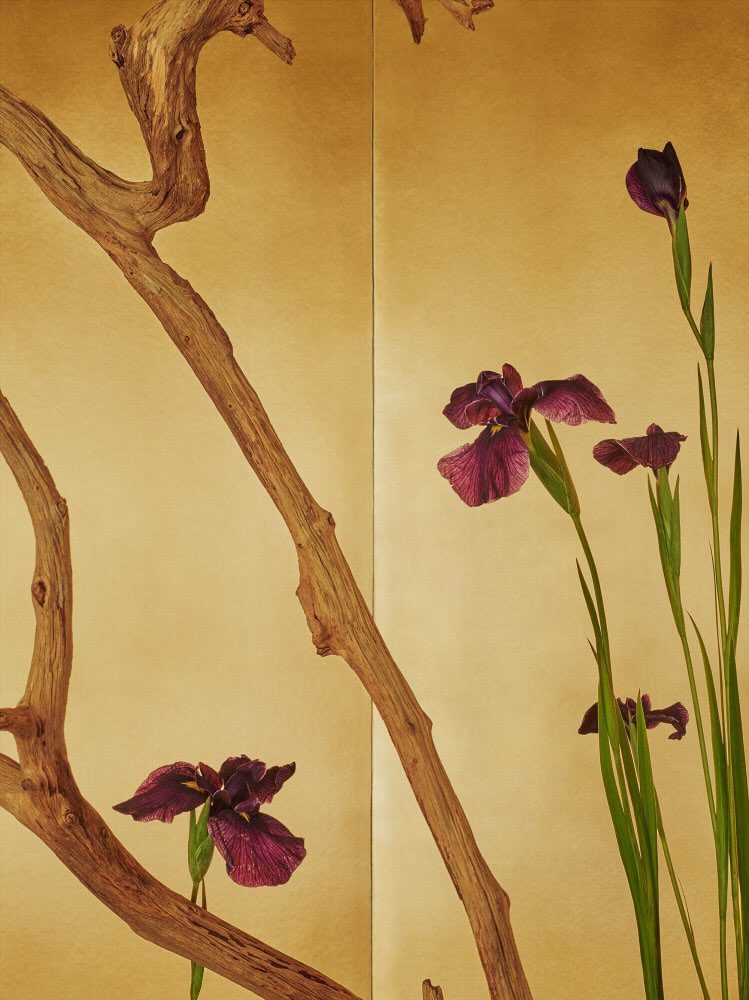
Mario Testino
Tokyo, 2019 Add to cart -
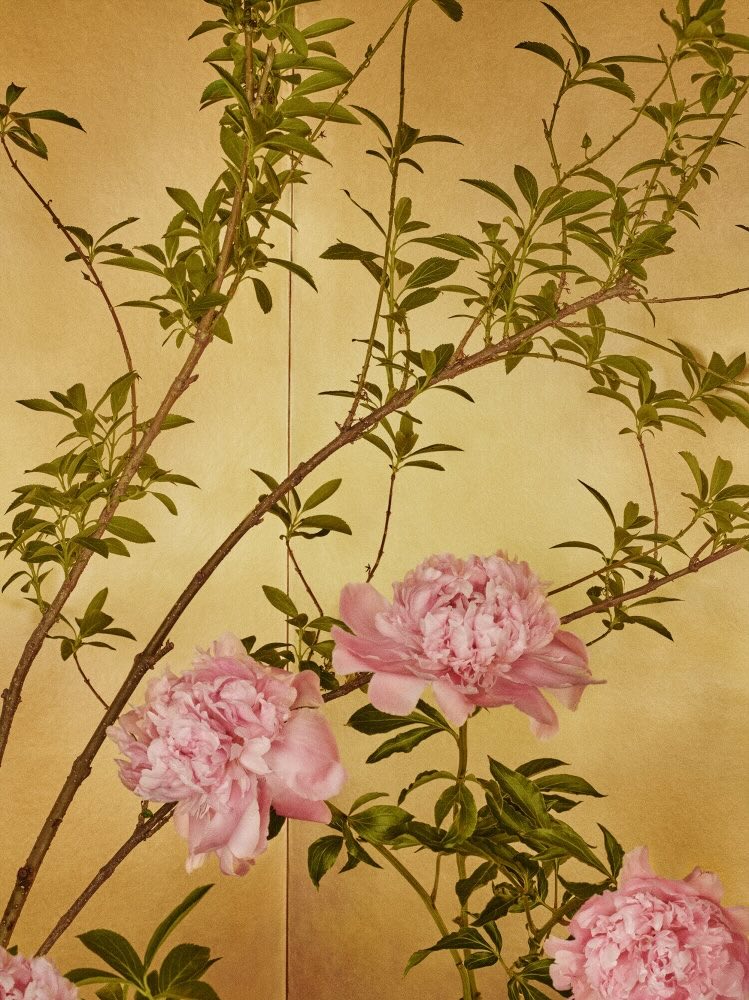
Mario Testino
Tokyo, 2019 Add to cart -
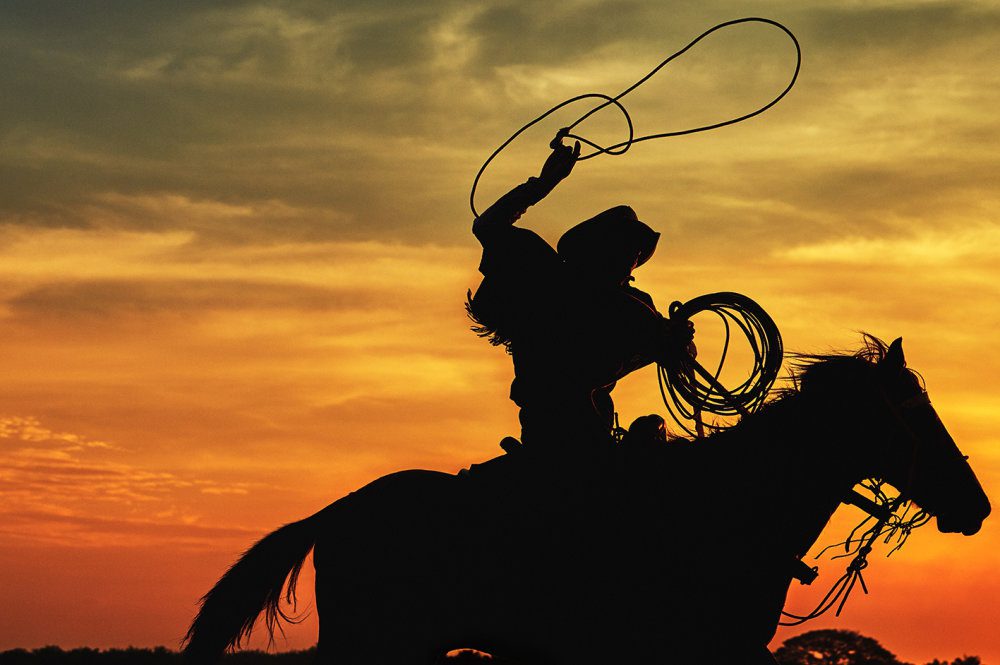
Mario Testino
Vaqueros (I), Casanare, Colombia, 2019 Add to cart -
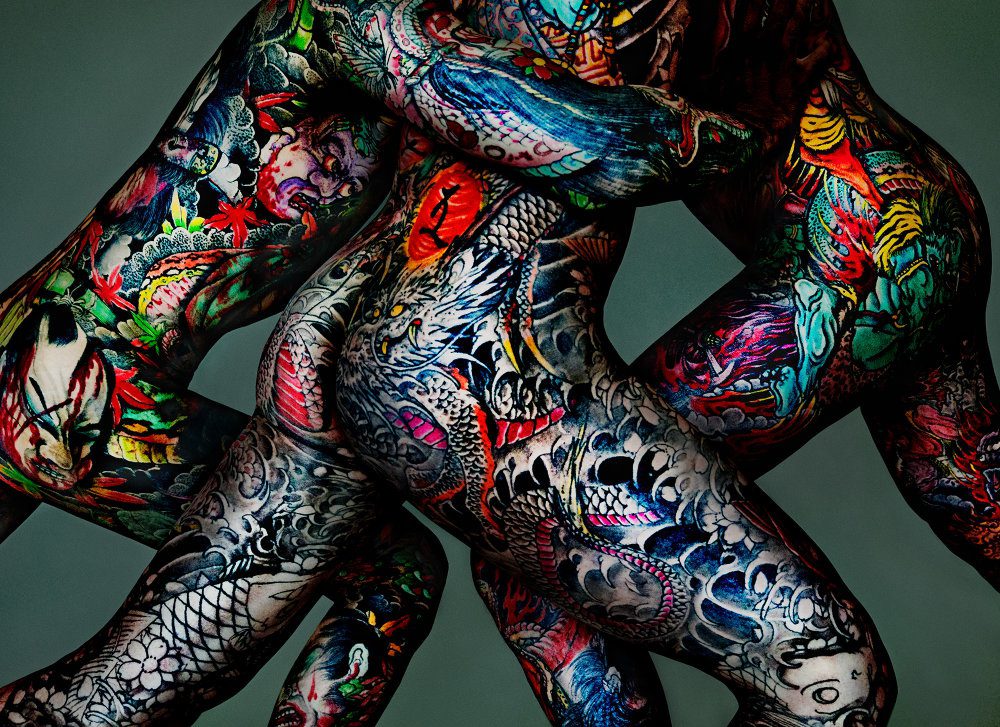
Mario Testino
Yokohama, 2019 Add to cart
Mario Testino occupies a singular place in contemporary photography as one of the most recognizable and influential fashion and portrait photographers of the late twentieth and early twenty-first centuries. His work, spanning the pages of Vogue, Vanity Fair, and countless international editions, has helped shape the modern visual language of glamour. With an aesthetic that is polished yet alive with energy, Testino has influenced how beauty, luxury, and celebrity are pictured and understood in the global cultural imagination.
The Engaging Eye of Mario Testino presents the iconic and transformative work of a photographer whose career has centered on beauty, individuality, and presence. For more than four decades, Testino has created photographs that feel fluid, free, and sensuous, often pushing against conventional ideas of style and identity. Since the 1980s, his collaborations with leading designers and models have produced images that resist trend and remain immediately legible, not as period pieces, but as enduring statements of attitude and allure.
Born in 1954 in Lima, Peru, Testino was raised in a traditional Catholic household where formality and presentation carried real weight. Those early experiences sharpened his sensitivity to style, ritual, and detail. He has often credited his mother, whom he described as a “dresser,” as an early influence on his eye. After initially studying law and economics, he moved to London in 1976 and found himself immersed in the city’s fashion and counterculture. There, he began his photographic training, apprenticing under John Vickers and Paul Nugent, and soon secured early commissions with Vogue that set the foundation for what followed.
Testino played a defining role in the rise of the supermodel, photographing and elevating figures such as Kate Moss, Amber Valletta, and Gisele Bündchen at pivotal moments in their careers. His collaborations with designers also helped reset the tone of modern luxury. His work with Tom Ford during Gucci’s 1995 reinvention is frequently cited as a turning point in fashion imagery, a shift toward a more charged, confident, and cinematic sensibility. Through the 1990s and beyond, campaigns for Burberry, Versace, and Chanel, alongside editorial work across the major magazines, cemented his standing as a central author of late twentieth-century style.
At the heart of Testino’s work is an ability to balance construction and candor. His photographs often play with the boundaries of gender and desire, celebrating masculinity and femininity with saturated color, directness, and dynamic composition. Even when the staging is precise, the emotional access feels real. As Graydon Carter, former editor of Vanity Fair, observed, “In less than a nanosecond, click, he manages to access something highly personal.”
Testino’s influence has been recognized well beyond the magazine page. In 2002, the National Portrait Gallery in London mounted a retrospective of his work that broke attendance records. Subsequent exhibitions at institutions including the Museum of Fine Arts, Boston and the Shanghai Art Museum have further positioned his photographs within a broader art historical context. With more than 16 books published, his reach has remained both expansive and sustained.
In recent years, Testino has increasingly focused on cultural traditions and the symbolic language of dress, ceremony, and place. His long-term project A Beautiful World widens his lens toward global identity as expressed through costume, ritual, and performance. Alongside this, he has extended his practice into botanical subjects and images that celebrate the diversity and beauty of the animal world. Taken together, these projects reveal a continuity in his interests: a fascination with surface and texture, with adornment and heritage, and with the ways individuals and communities present themselves to the world.
Within this broader arc, projects such as Alta Moda, which documents traditional Peruvian dress, show his ability to bring ethnographic sensitivity into dialogue with fashion’s formal rigor. Other bodies of work expand his image-making into themes of pattern, animal life, and cultural symbolism. The East works move between formal portraiture of traditionally tattooed men and floral still lifes arranged against gold screens, pairing human mark-making with natural form. Gone Wild includes Goura cristata, Brazil, 2022. From South Americana, the exhibition presents Vaqueros (I), Casanare, Colombia, 2019, a portrait of a vaquero on horseback that captures the structure, motion, and culture of rural equestrian life. These photographs broaden Testino’s vocabulary while remaining grounded in his lifelong attention to style, posture, and presence.
Testino’s influence remains undeniable for fine art photography collectors. He helped define the aspirational image-world of modern fashion and set a standard that continues to shape contemporary photography. What gives his work its staying power is the tension he sustains between glamour and intimacy. Even at its most elevated, his photography preserves something unguarded in expression, gesture, or mood. Ultimately, Mario Testino’s significance lies in the scale of his impact and in the clarity of his vision: a way of seeing that has shaped global visual culture while continuing to evolve.