
Jean-Baptiste Huynh
Born in 1966 to a French mother and a Vietnamese father, Jean-Baptiste Huynh is a French photographer known for his refined and contemplative visual language. Self-taught originally, but later being guided by Irving Penn, he mastered photography, lighting, and printing techniques in his teenage years, gradually developing a timeless and minimalist aesthetic. His work delves into universal themes such as: the use of light as metaphor, the viewer’s gaze, self-perception, reflection, the passage of time, and the contemplation of the infinite. The neutral backgrounds in Huynh’s photographs remove the subject from its environment, evoking a meditative space that reflects his enduring interest with the power of the subject matter, be it a person, object, or an extension of nature.
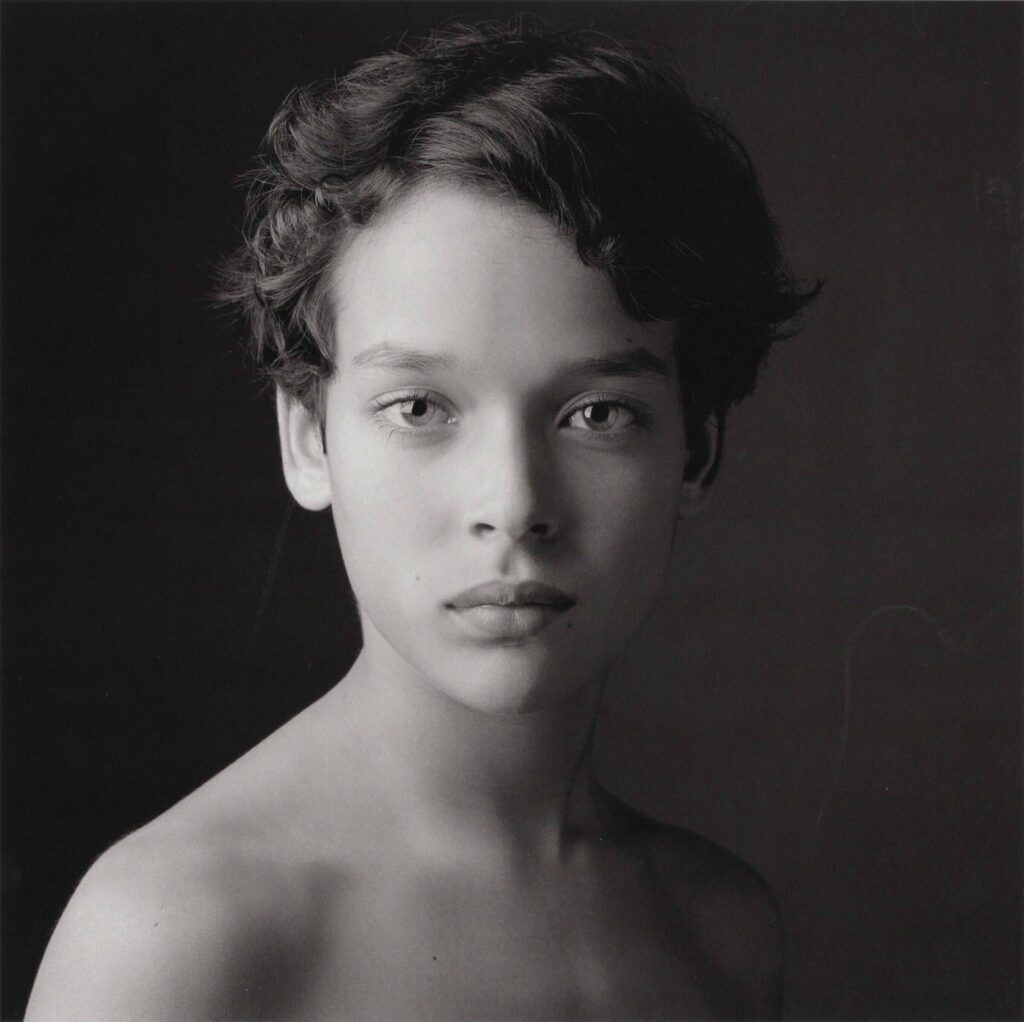
For nearly three decades, Huynh has explored the human face across ages, cultures, and continents, composing a gallery of gazes and presences that reveal both the universality and the singularity of humanity. His subjects range widely: portraiture, the nude, and the living world—human, animal, botanical, and mineral.Huynh has published more than fifteen books and created the scenography for all of his major exhibitions. He has collaborated with leading museums and institutions, developing photographic work that enters into dialogue with great works from art history.
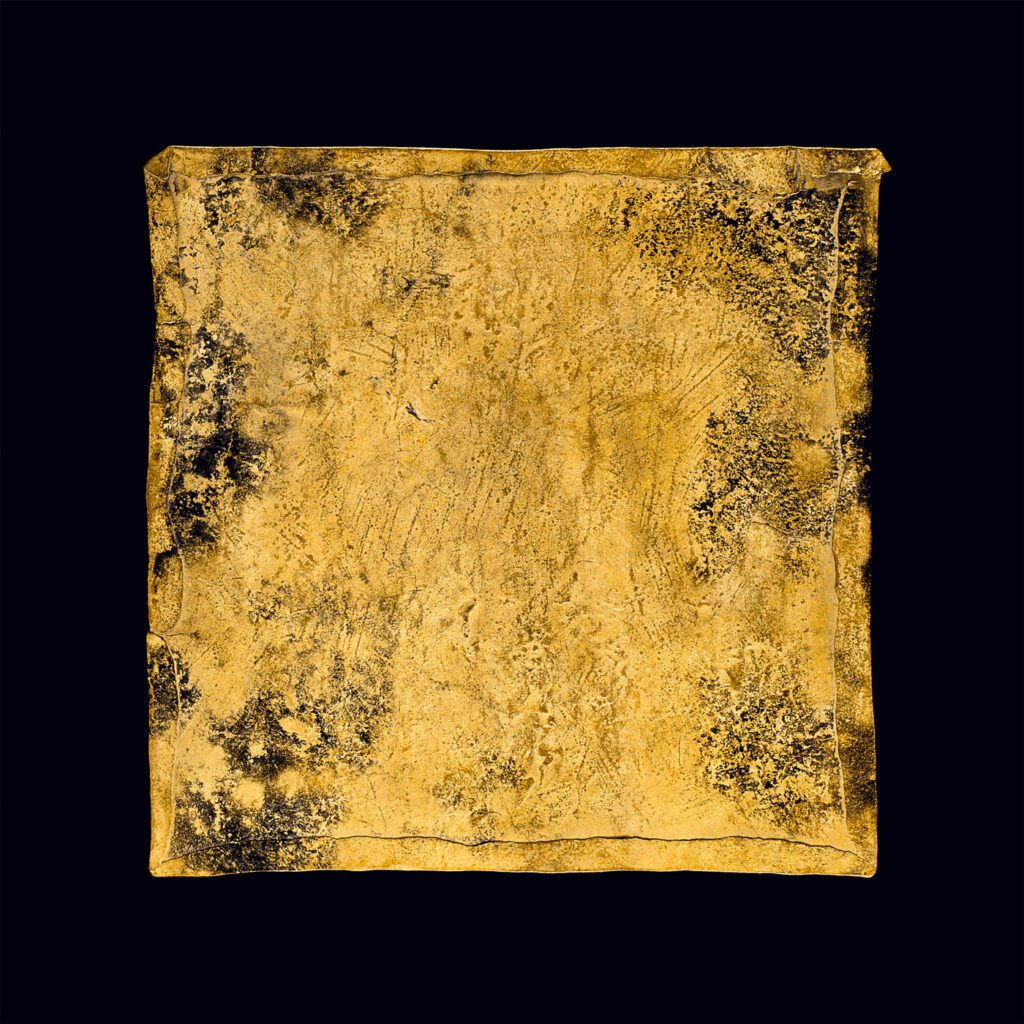
In 2002, the Maison Européenne de la Photographie presented YEUX, a series of portraits featuring some of the most influential contemporary photographers and painters. In 2006, the École Nationale Supérieure des Beaux-Arts in Paris dedicated a retrospective to him, LE REGARD À L’ŒUVRE, focused on portraits created within major cultural institutions around the world. In 2012, the Louvre Museum presented a solo exhibition, REMANENCE, built around a selection of works inspired by the museum’s own collections. The exhibition marked the culmination of six years of research (2006–2012) on the many manifestations of light as energy, matter, reflection, and mystery. These investigations are also captured in the book LUMIÈRE, which furthers Huynh’s aesthetic and spiritual exploration.
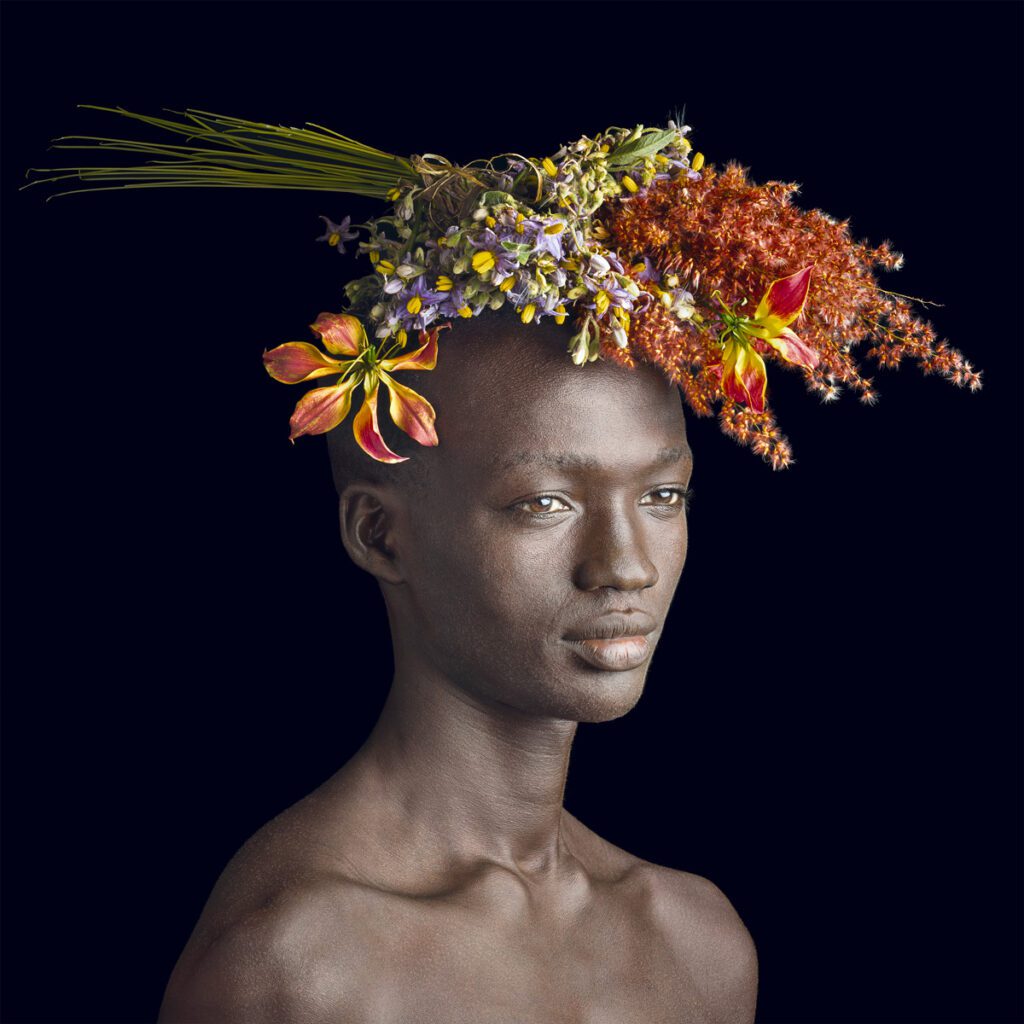
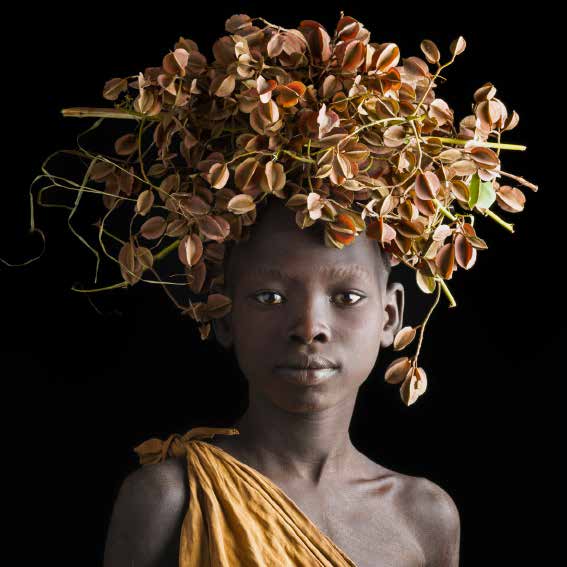
In 2019, the Musée National des Arts Asiatiques – Guimet hosted INFINIS D’ASIE, a retrospective of Huynh’s work on the human face across the Asian continent, enriched with new pieces created from the museum’s collections. In 2020, during the global lockdown, Huynh sought freedom through creation, and immersed himself with a flower-adorned ethnic group in the Omo Valley of Ethiopia. From this experience came FLOWER CHILDREN, a series of portraits by focusing on the flowers that the nomadic people use for self expression that stand apart within his body of work.
This project led to EDENS, a striking and distinctive exhibition presented in the Hôtel de Guise, an 18th-century townhouse reimagined by the artist as a poetic space suspended outside of time. In 2023, he returned to Ethiopia to create MAGARATI, a film reflecting this human and artistic immersion, a shared experience of life and creation.
At the end of 2023, Saint-Pierre Cathedral in Geneva invited Huynh to create LUEUR, an exhibition centered on the theme of light within the sacred architecture of the church. In 2025, the Barbier-Mueller Museum in Geneva granted him carte blanche to create ECHOS, an exhibition and catalogue presenting a dialogue between works from the museum’s prestigious collection and his own. Jean-Baptiste Huynh is a recipient of the Villa Médicis Hors les Murs grant. His works are included in numerous major public and private collections, including the Pinault Collection, the French National Contemporary Art Fund, and the Maison Européenne de la Photographie.
SELECTED MUSEUM COLLECTIONS:
• Barbier Mueller Museum, Geneva, CH
• St. Pierre Cathedral, Geneva, CH
• Pinault Collection, Paris, FR
• Museo Nacional Centro de Arte Reina Sofia, Madrid, ES
Photography & Works
-
Jean-Baptiste Huynh
Christian III Add to cart -
Jean-Baptiste Huynh
Plaque (LOUVRE) Add to cart -
Jean-Baptiste Huynh
Portrait 36, Flower Children Add to cart -
Jean-Baptiste Huynh
Portrait 48, Flower Children Add to cart -
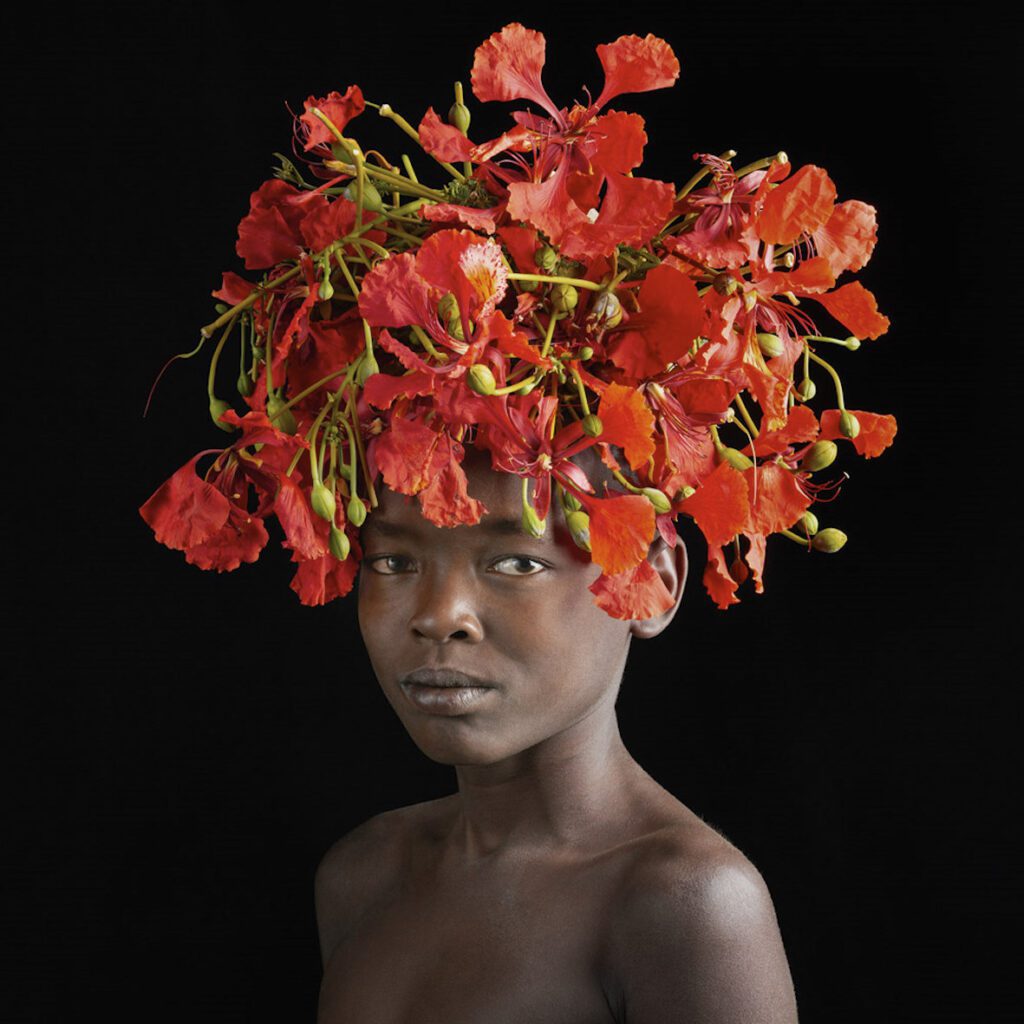
Jean-Baptiste Huynh
Portrait 7, Flower Children Add to cart -
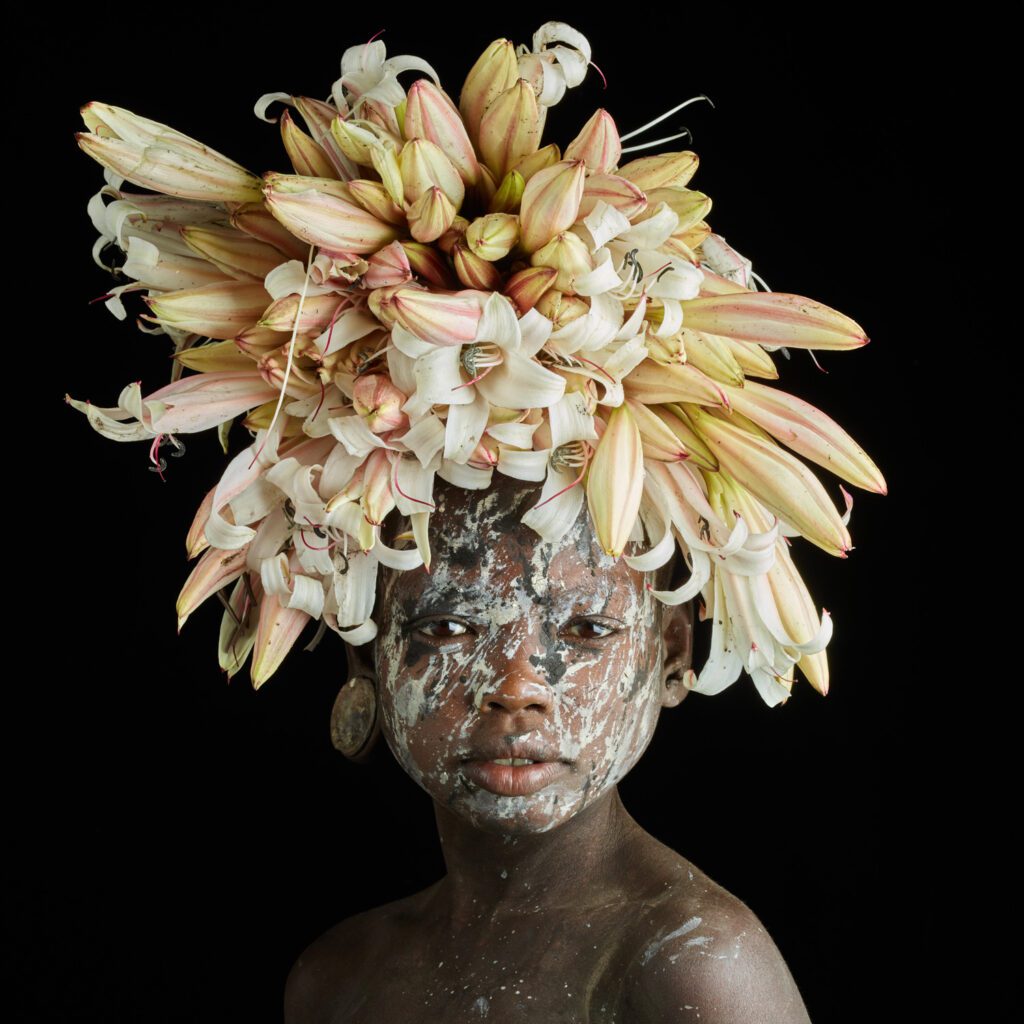
Jean-Baptiste Huynh
Portrait 79, Flower Children Add to cart -
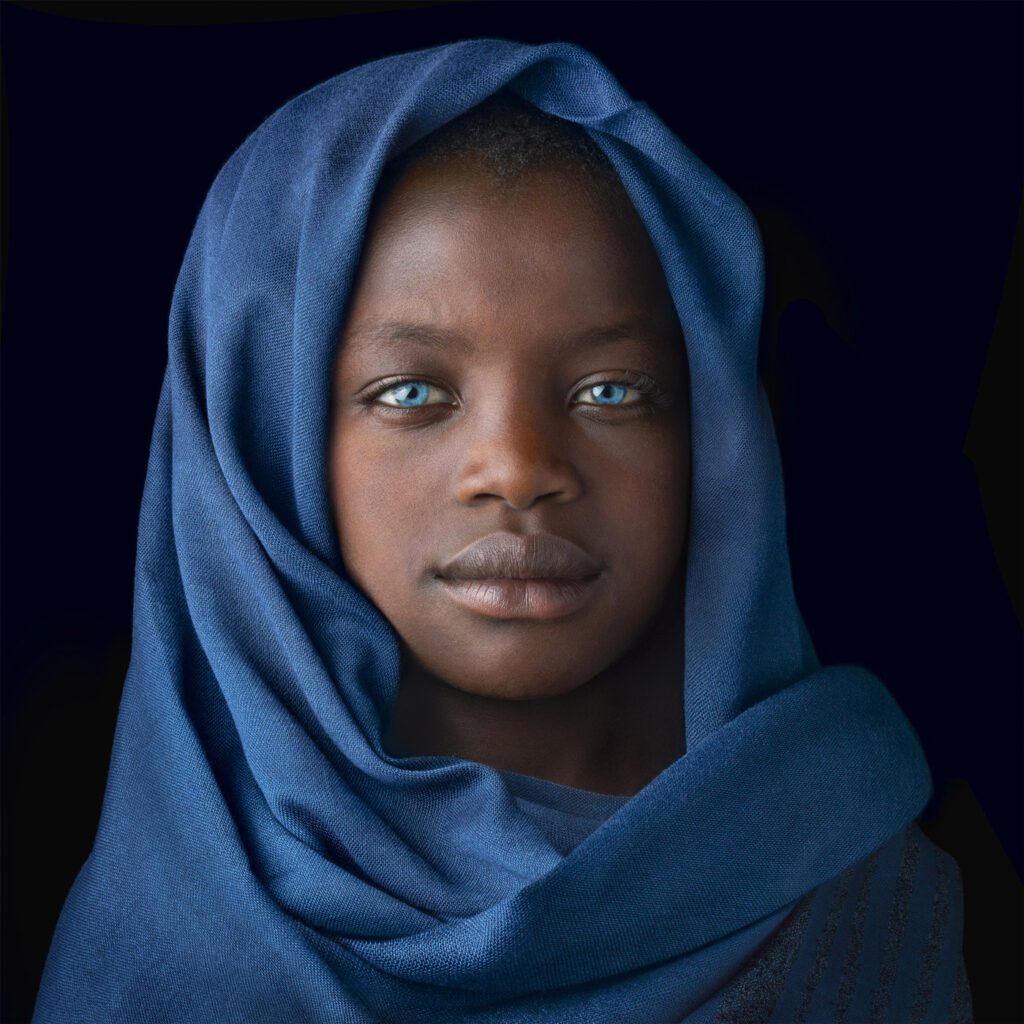
Jean-Baptiste Huynh
Portrait 81, Flower Children Add to cart -
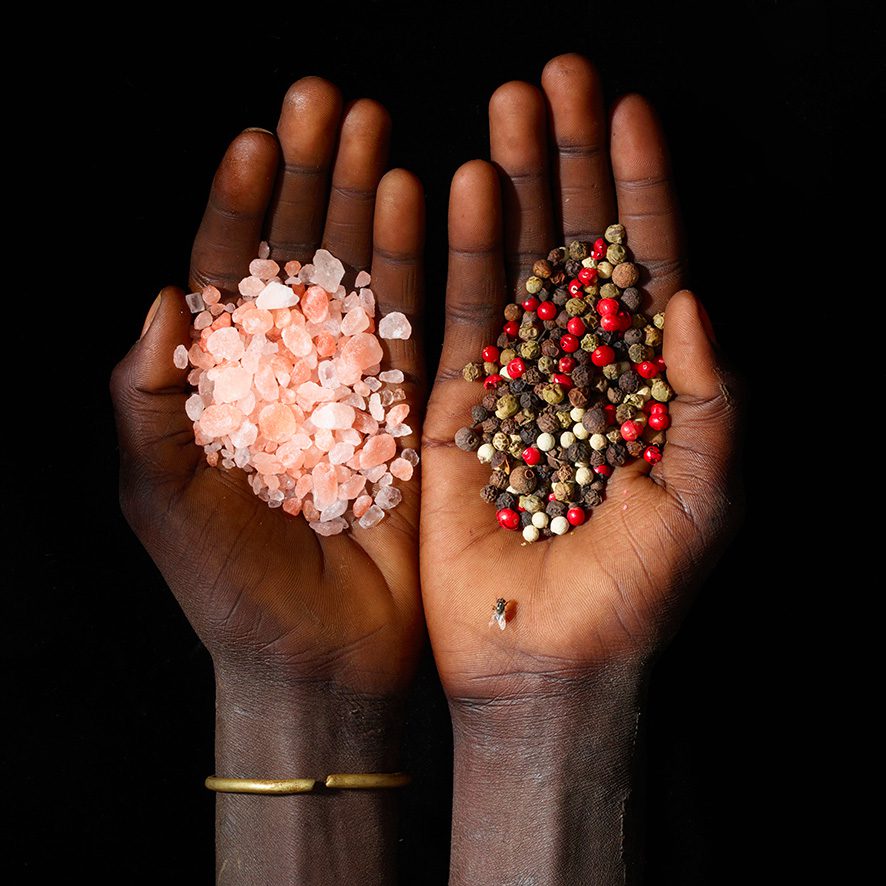
Jean-Baptiste Huynh
Salt & Pepper, Flower Children Add to cart -
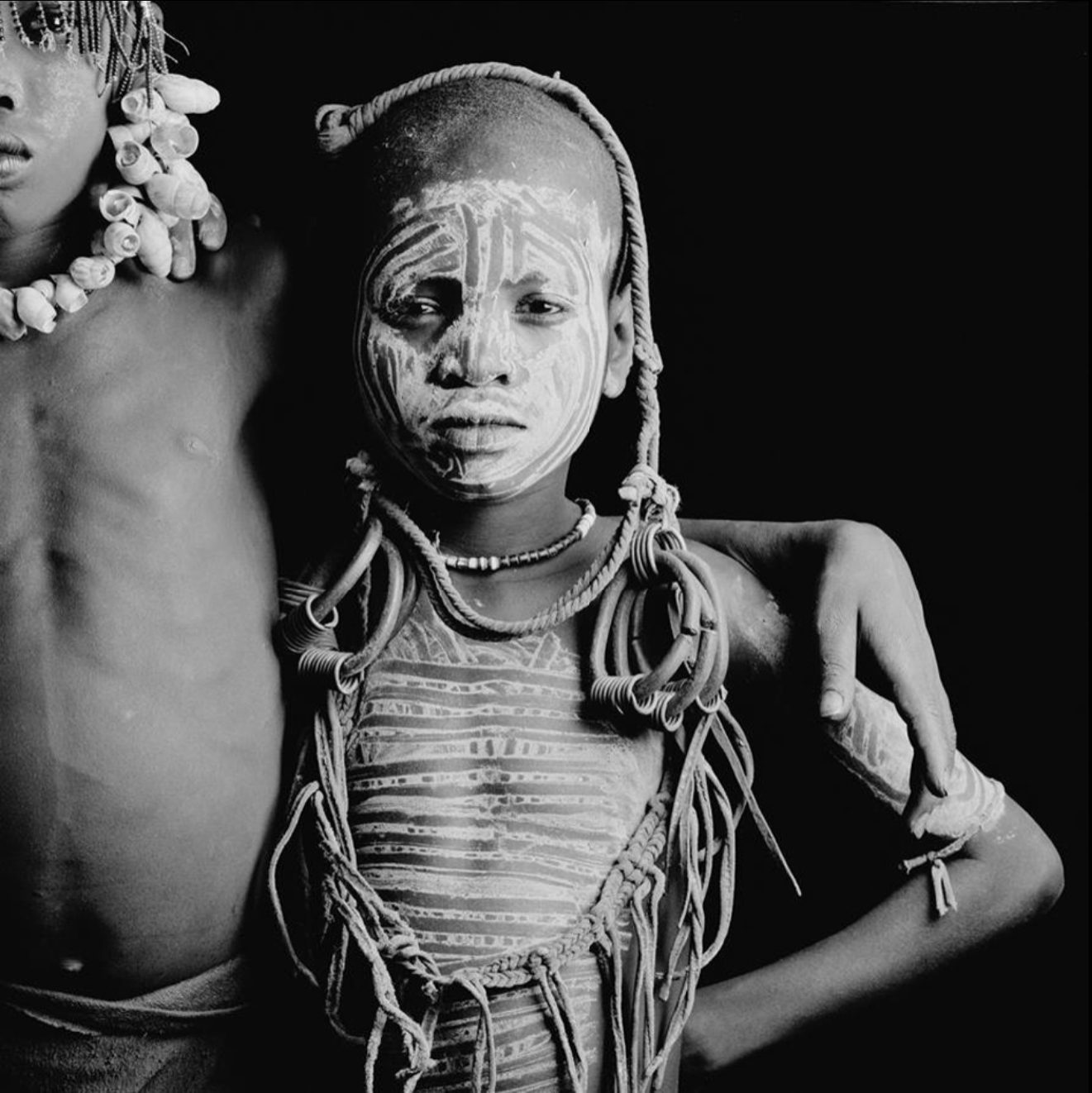
Jean-Baptiste Huynh
Ethiopie – Portrait I Add to cart -

Jean-Baptiste Huynh
Ethiopie – Portrait VI Add to cart -

Jean-Baptiste Huynh
Ethiopie – Portrait VIII Add to cart -

Jean-Baptiste Huynh
Ethiopie – Portrait XL Add to cart -

Jean-Baptiste Huynh
Ethiopie – Portrait XXVII Add to cart -
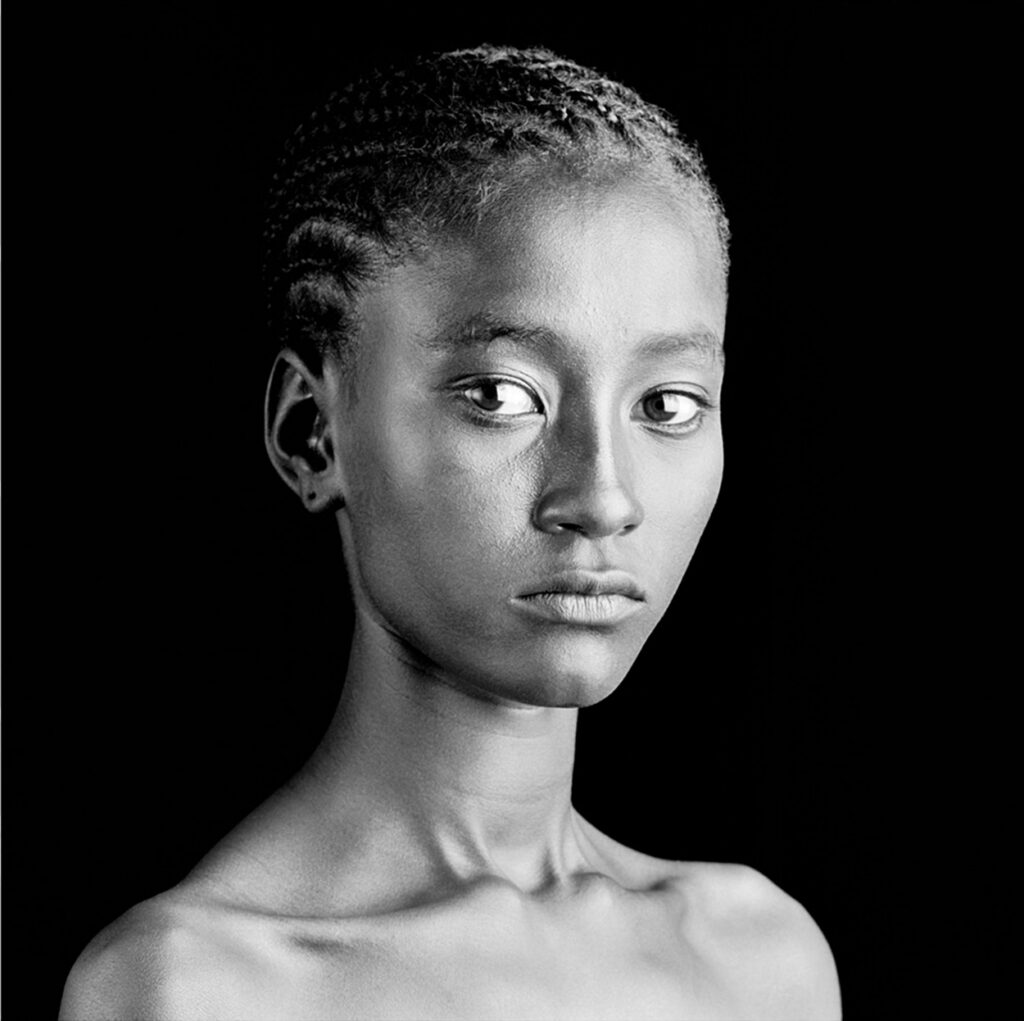
Jean-Baptiste Huynh
Ethiopie, Portrait X Add to cart -

Jean-Baptiste Huynh
Mali – Portrait VI Add to cart -
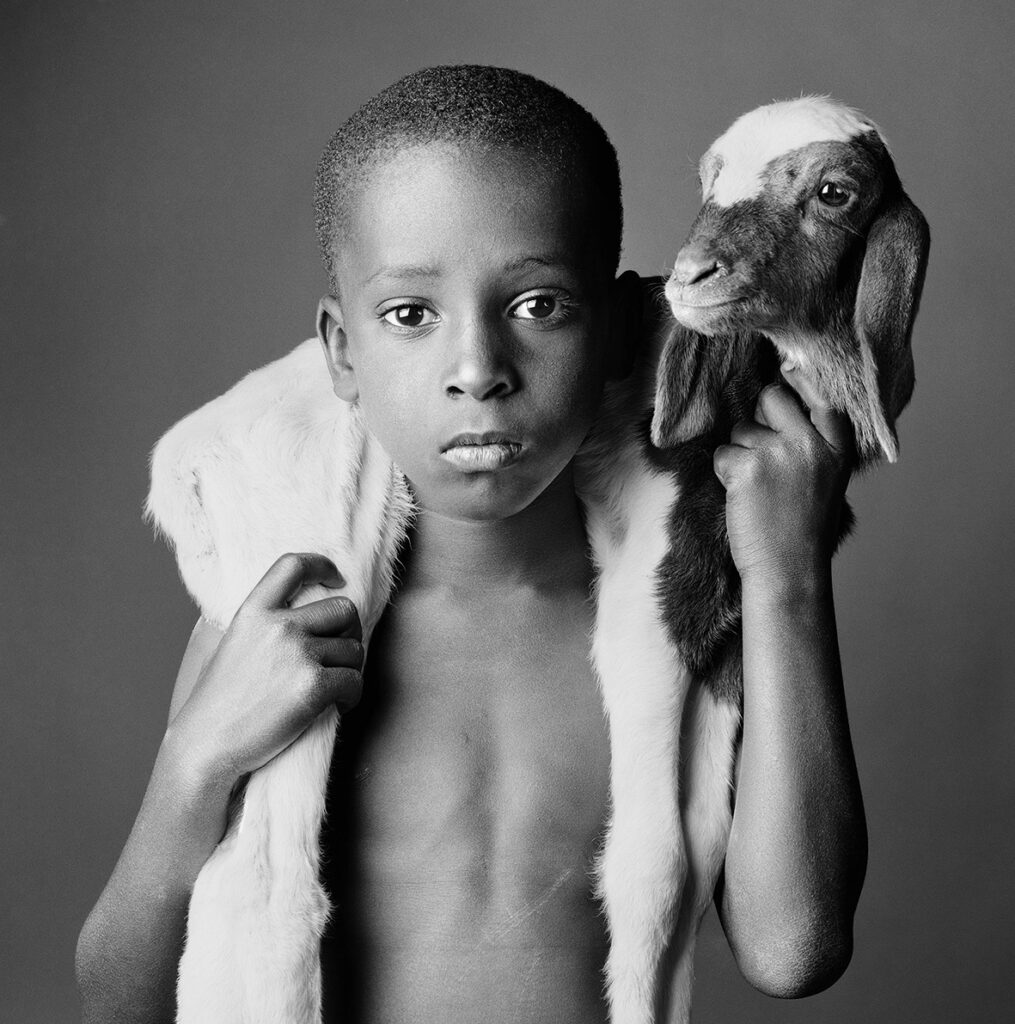
Jean-Baptiste Huynh
Portrait 8, Mali Add to cart -
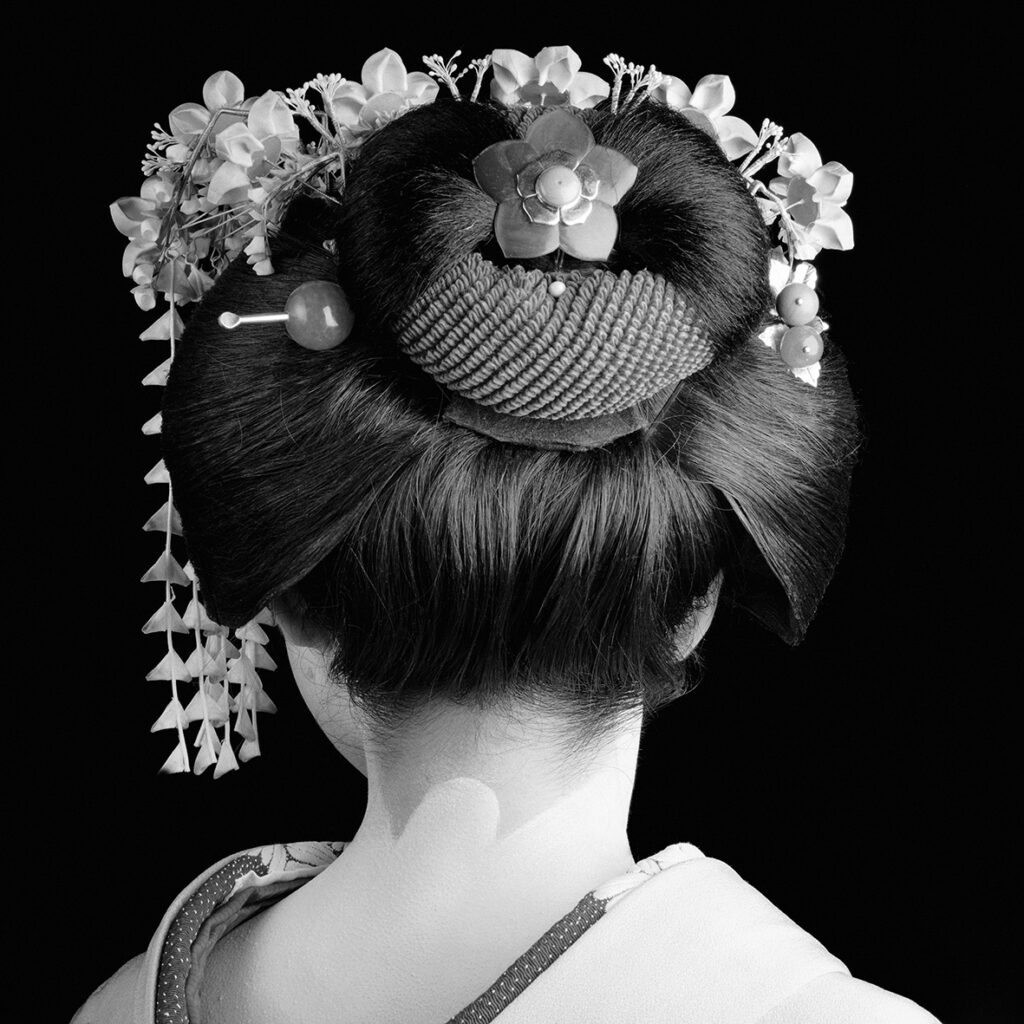
Jean-Baptiste Huynh
Geisha 1, Japon Add to cart -
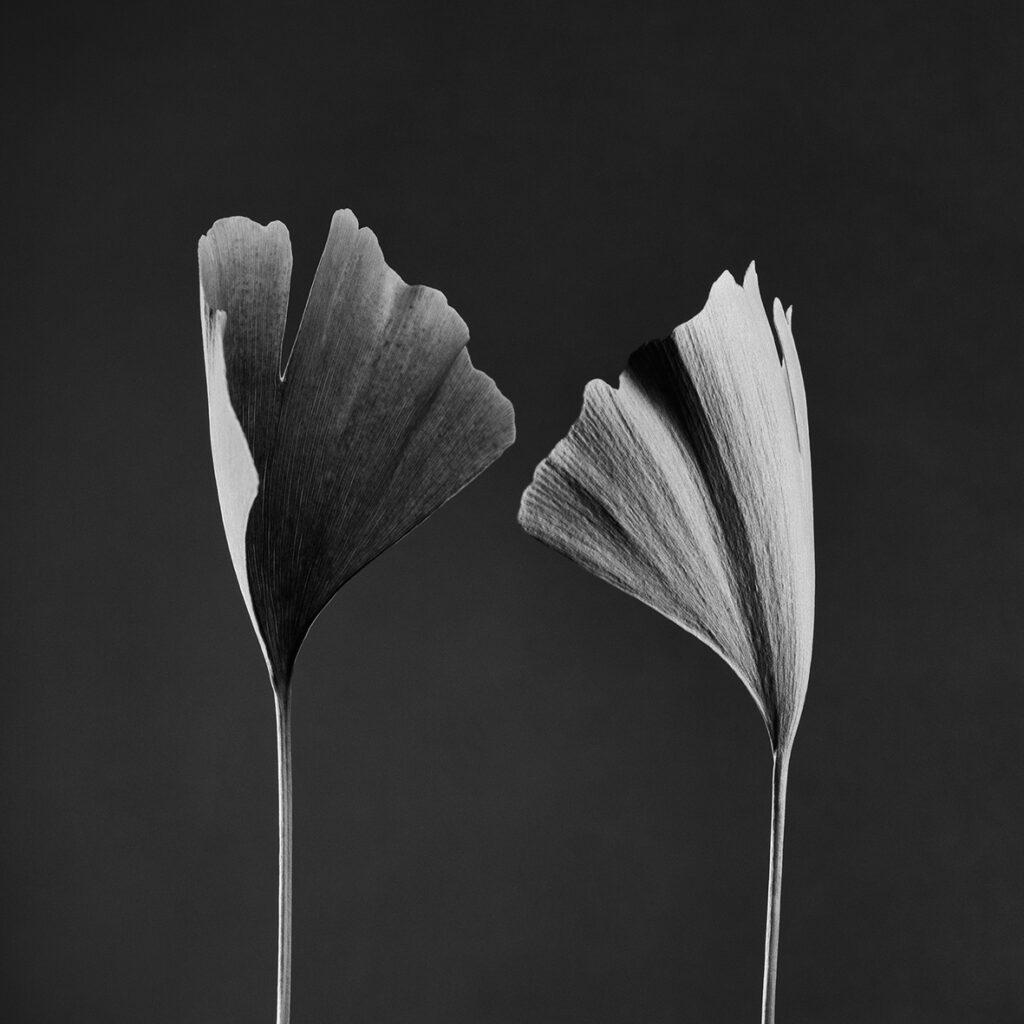
Jean-Baptiste Huynh
Ginkgo 1, Japon Add to cart -

Jean-Baptiste Huynh
Mains 1, Japon Add to cart -
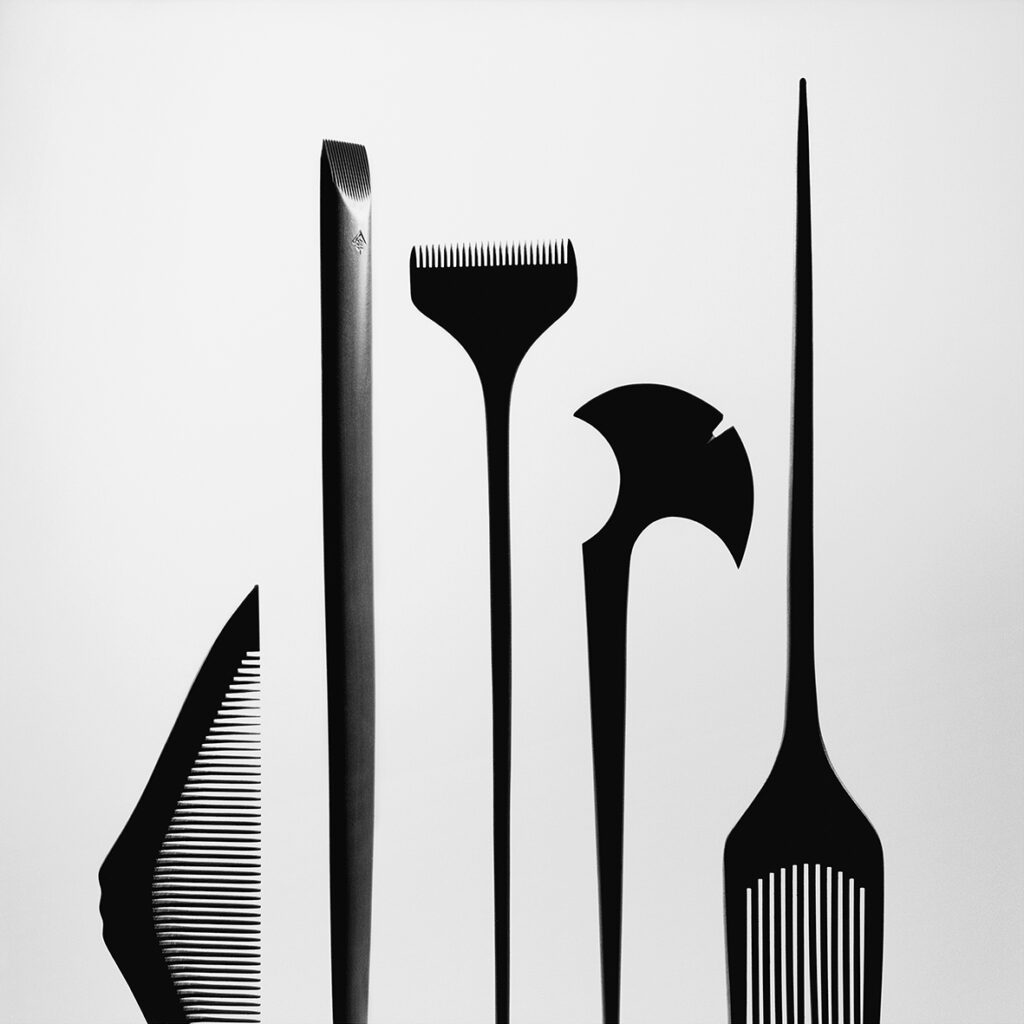
Jean-Baptiste Huynh
Peignes, Japon Add to cart -
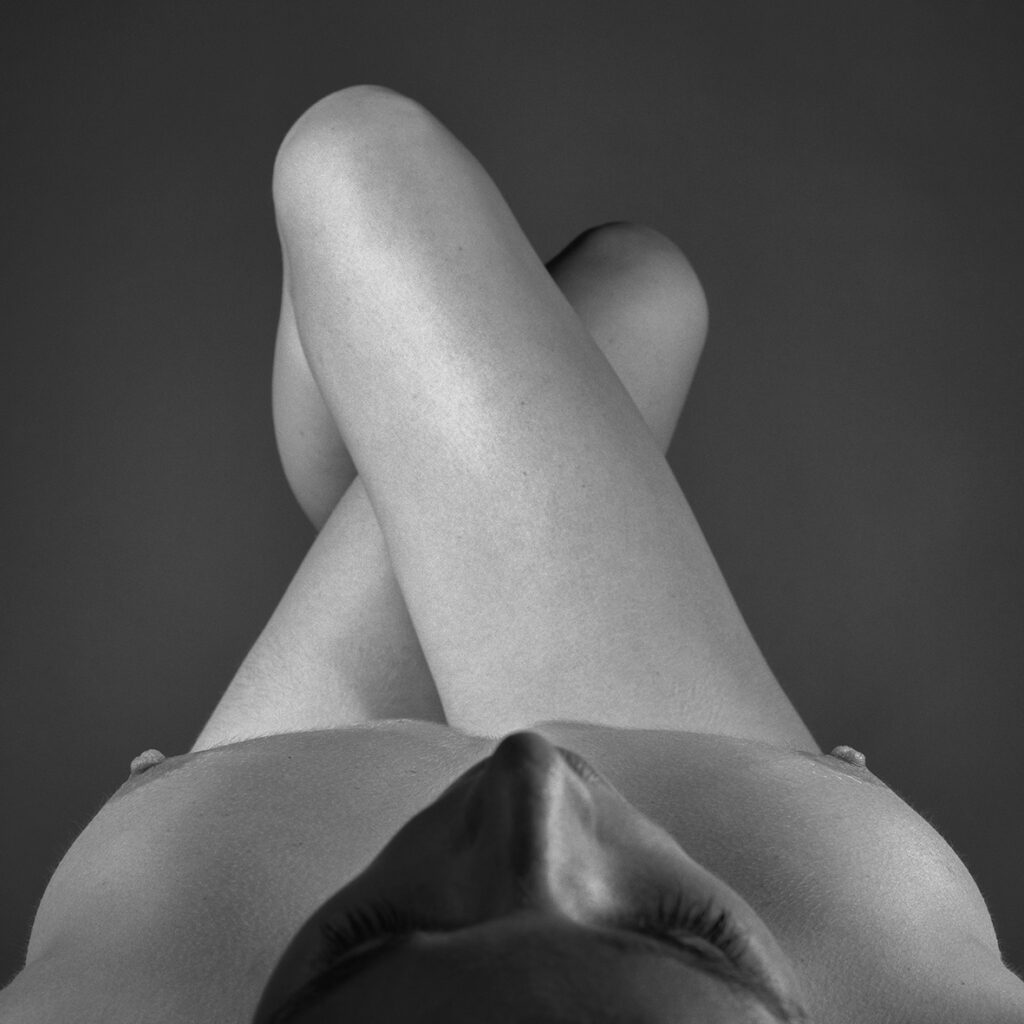
Jean-Baptiste Huynh
Nu 1, Nus Add to cart -

Jean-Baptiste Huynh
Nu 27, Nus Add to cart -
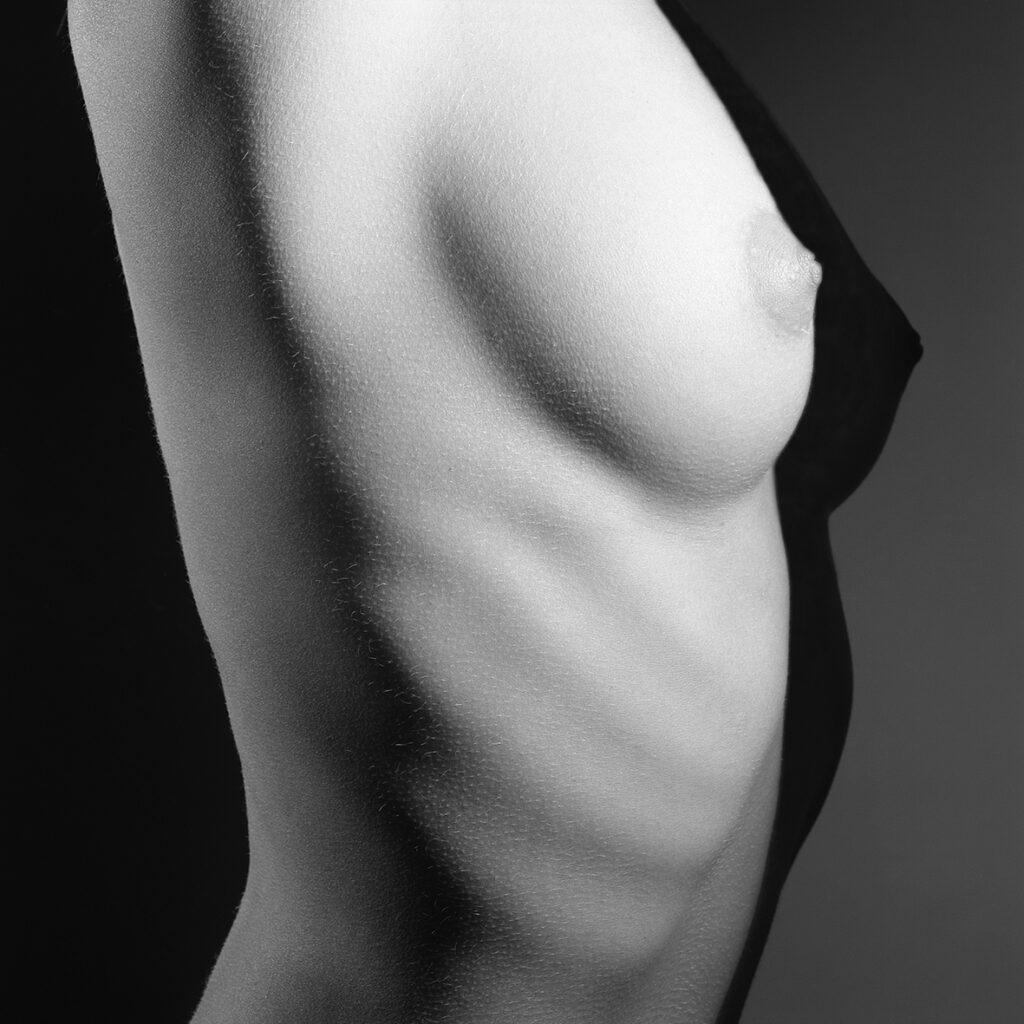
Jean-Baptiste Huynh
Nu 29, Nus Add to cart -
Jean-Baptiste Huynh
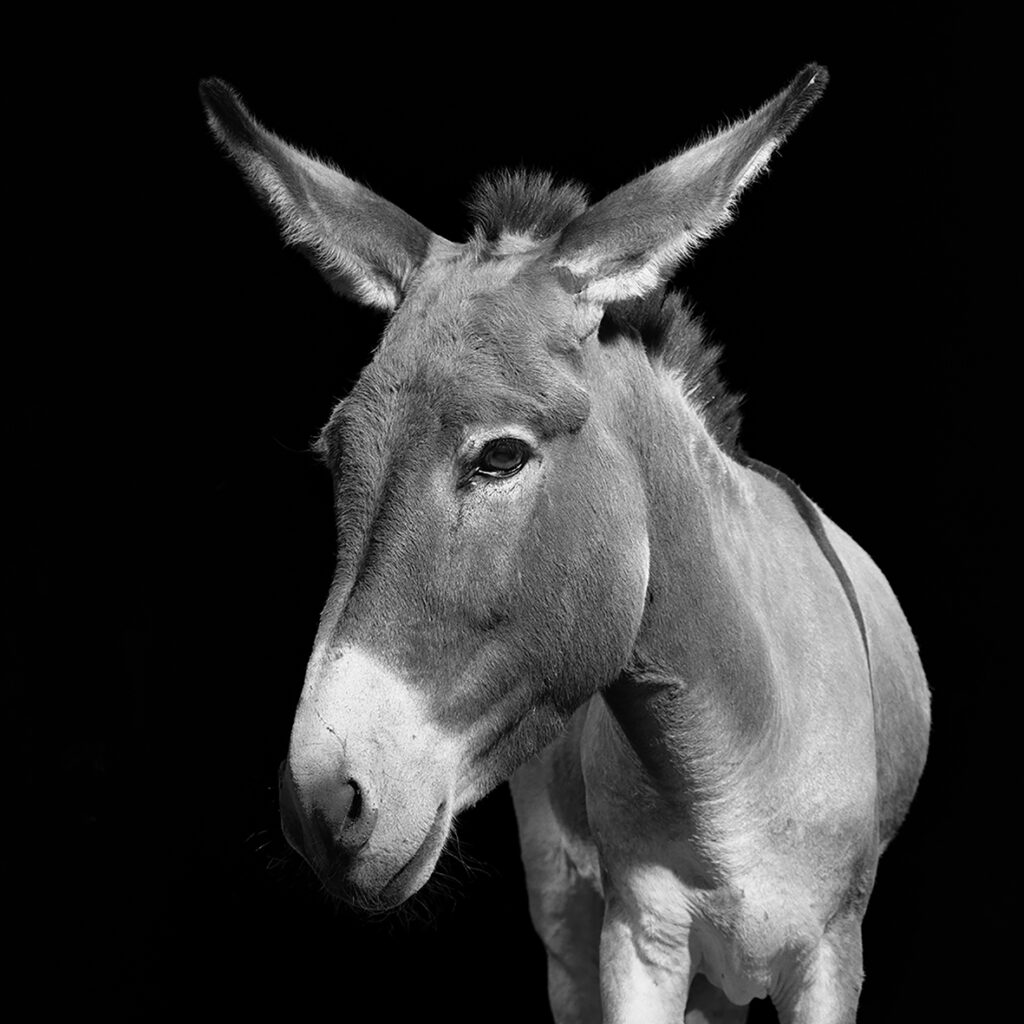
Ane, Mali, Animaux Add to cart
News & Articles
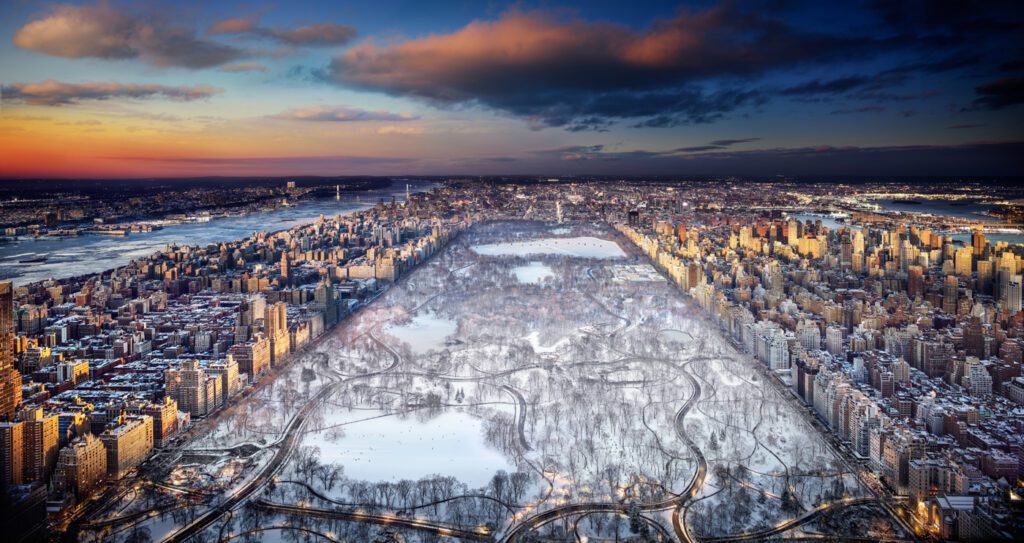
The Photography Show Presented by AIPAD 2026
In Discussion: Jean-Baptiste Huynh and Holden Luntz
The Intimacy of Seeing: A Photographic Survey of Jean-Baptiste Huynh
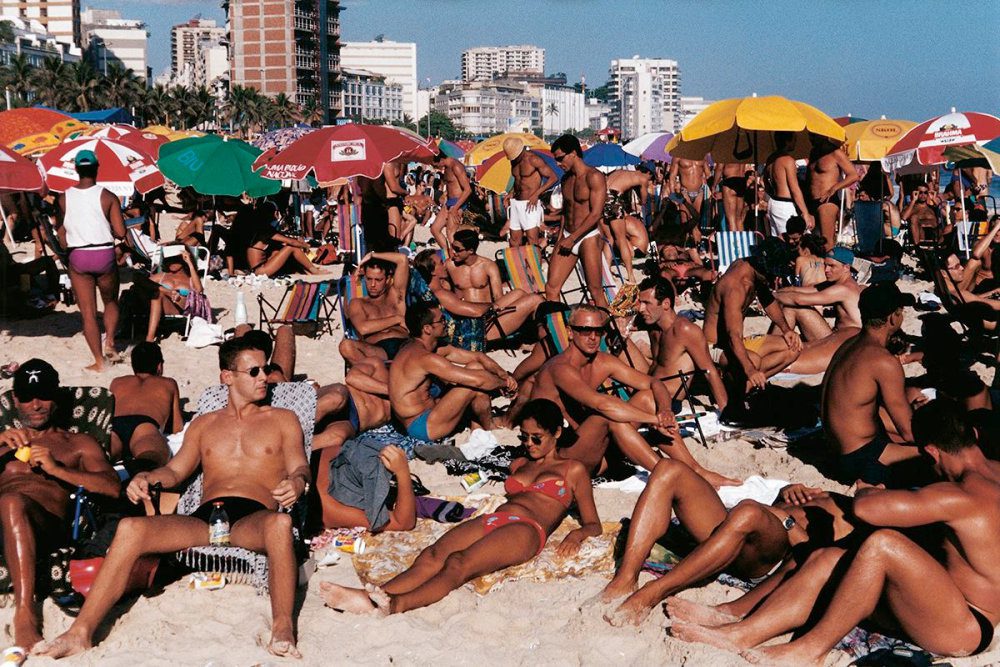
Art Miami 2025

Simple Pleasures: Every Body Tells A Story

Planes of Light: Photographs and Spatial Borders

Studies in Light: Garry Fabian Miller and Jean-Baptiste Huynh

Facing Forward: Photographing Diversity
