
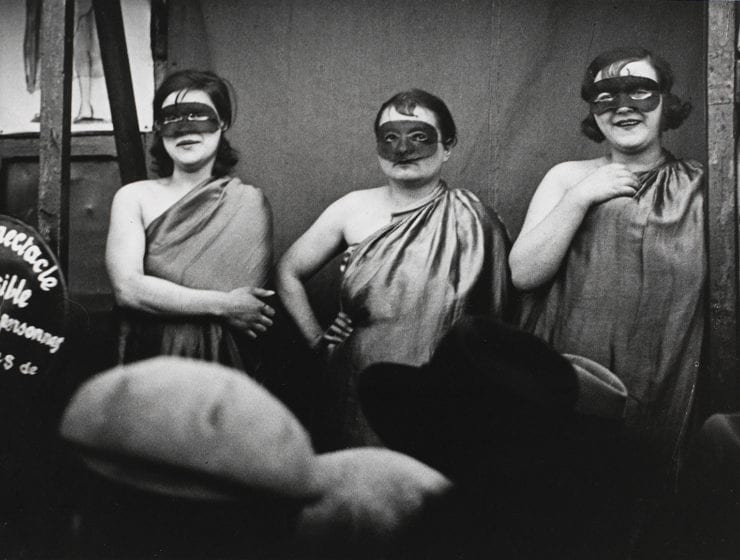
“No one reveals himself as he is; we all wear a mask and play a role.” — Arthur Schopenhauer


Brassaï is best known for his iconic photographs of Paris in the 1930s, capturing the city’s nightlife, streets, and inhabitants in a way that has left a lasting impact on the history of photography. His work has greatly contributed to the idea of vernacular photography, blurring the lines between street photography and fine art.
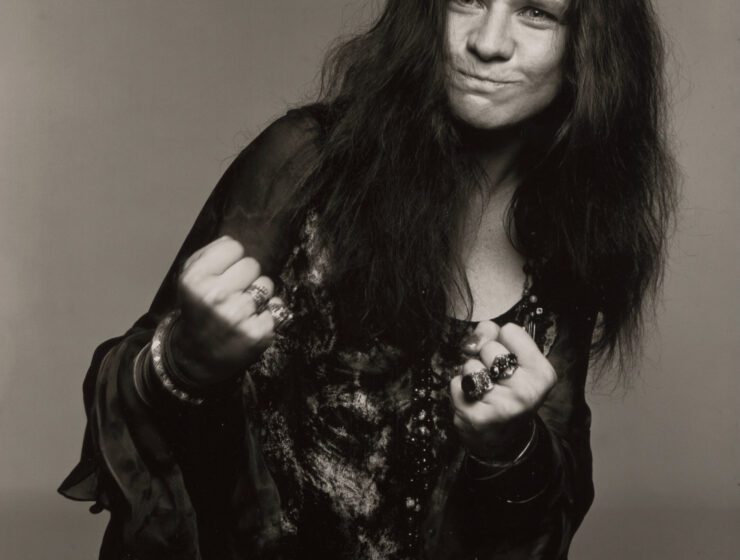
Among Richard Avedon’s many portraits, one of the most compelling is his 1969 image of Janis Joplin, taken on August 28 at his New York studio. In the frame, Joplin leans slightly toward the camera, hair loose at her shoulders, rings catching the light as her hands lift into relaxed, almost joking fists. The smile reads genuine but not unguarded; the eyes do most of the work. Avedon’s plain backdrop removes context so gesture and micro-expression carry the meaning.
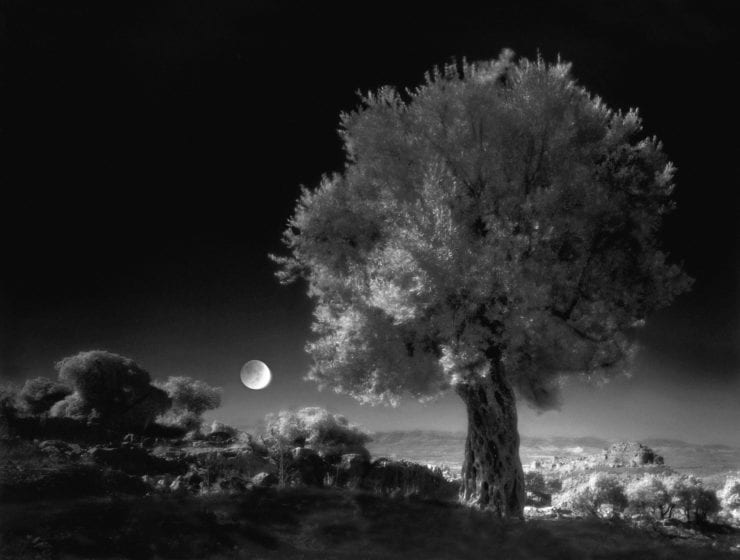
“I feel a great regard for trees; they represent age and beauty and the miracles of life and growth.” — Louise Dickinson Rich
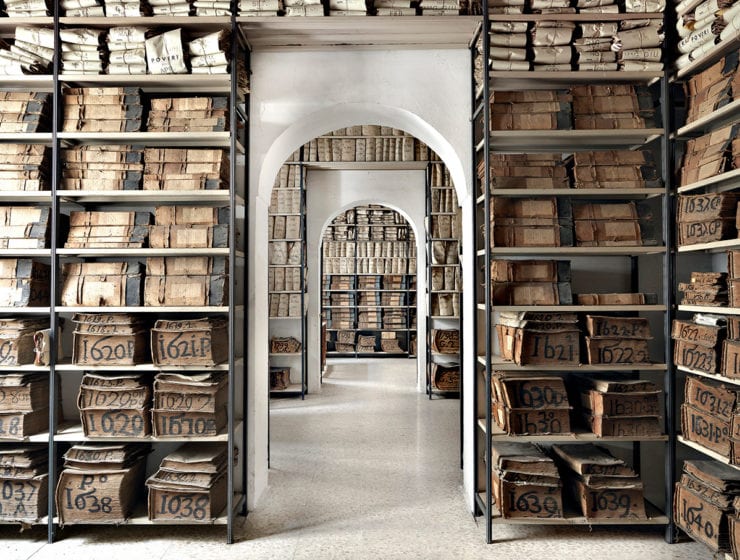
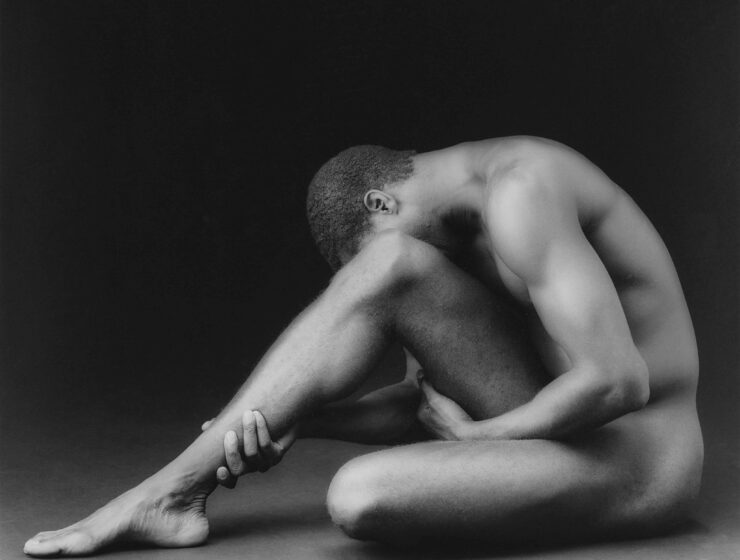
“Your body is precious. It is our vehicle for awakening. Treat it with care.” — Buddha
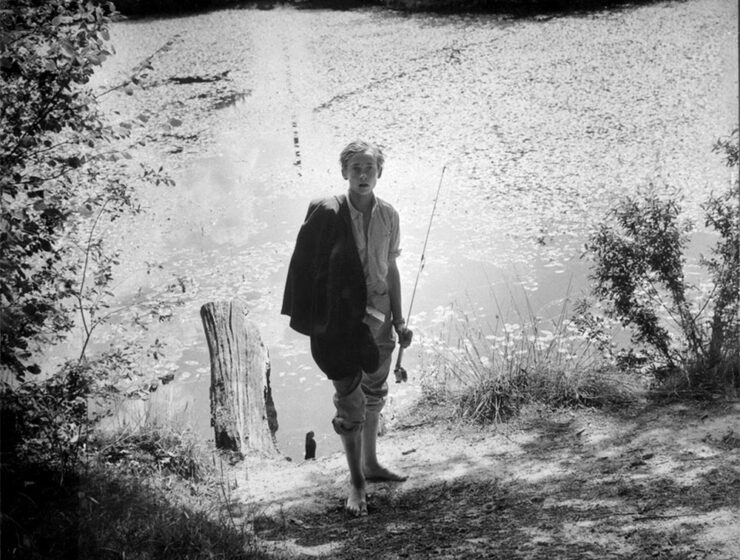
“Photography is, for me, a spontaneous impulse coming from an ever attentive eye which captures the moment and its eternity.” – Henri Cartier-Bresson
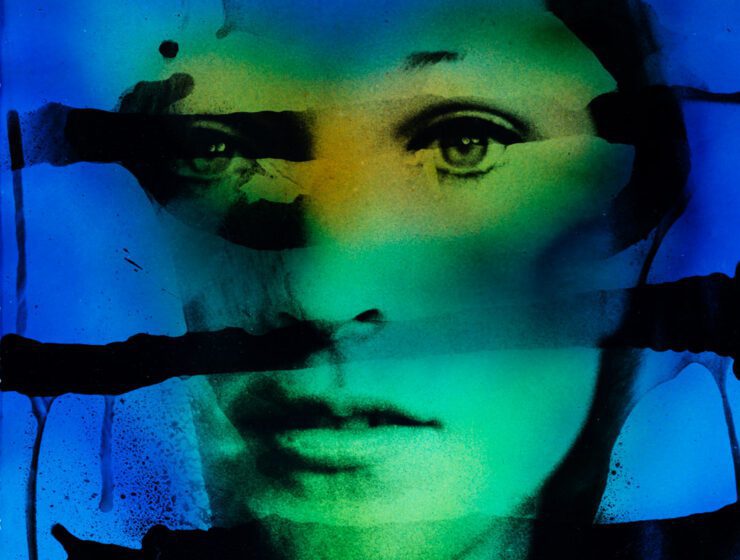
In the evolving canon of 20th-century photography, few stories feel as electrifying as the rediscovery of Kali—the artistic persona of California photographer Joan Archibald. Active during the late 1960s and early 1970s in Southern California, Kali produced a vivid and deeply idiosyncratic body of work that remained largely unseen for decades.
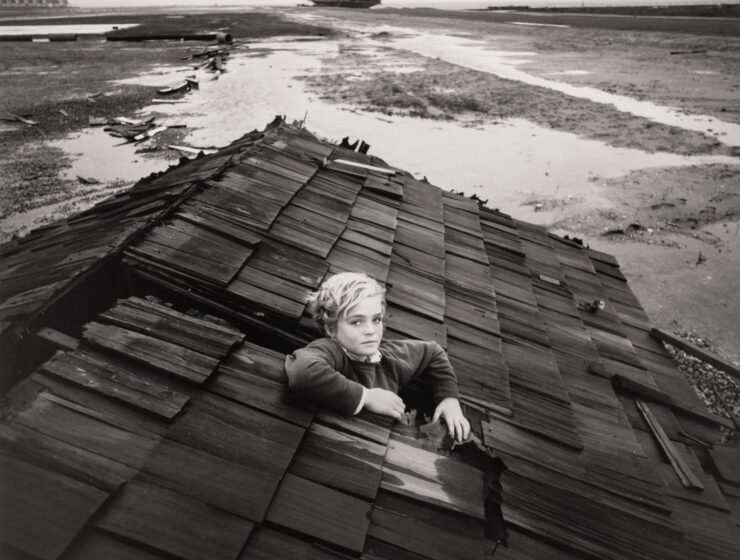
Among the most memorable images from The Dream Collector is the photograph titled Flood Dream, Ocean City, NJ. It depicts a boy clinging to the roof of a dilapidated home that has washed ashore. The sea has seemingly receded, leaving the structure stranded on a barren, watery plain, while a distant ship looms on the horizon.