JERRY SCHATZBERG AND THE LIFE AROUND PERFORMANCE
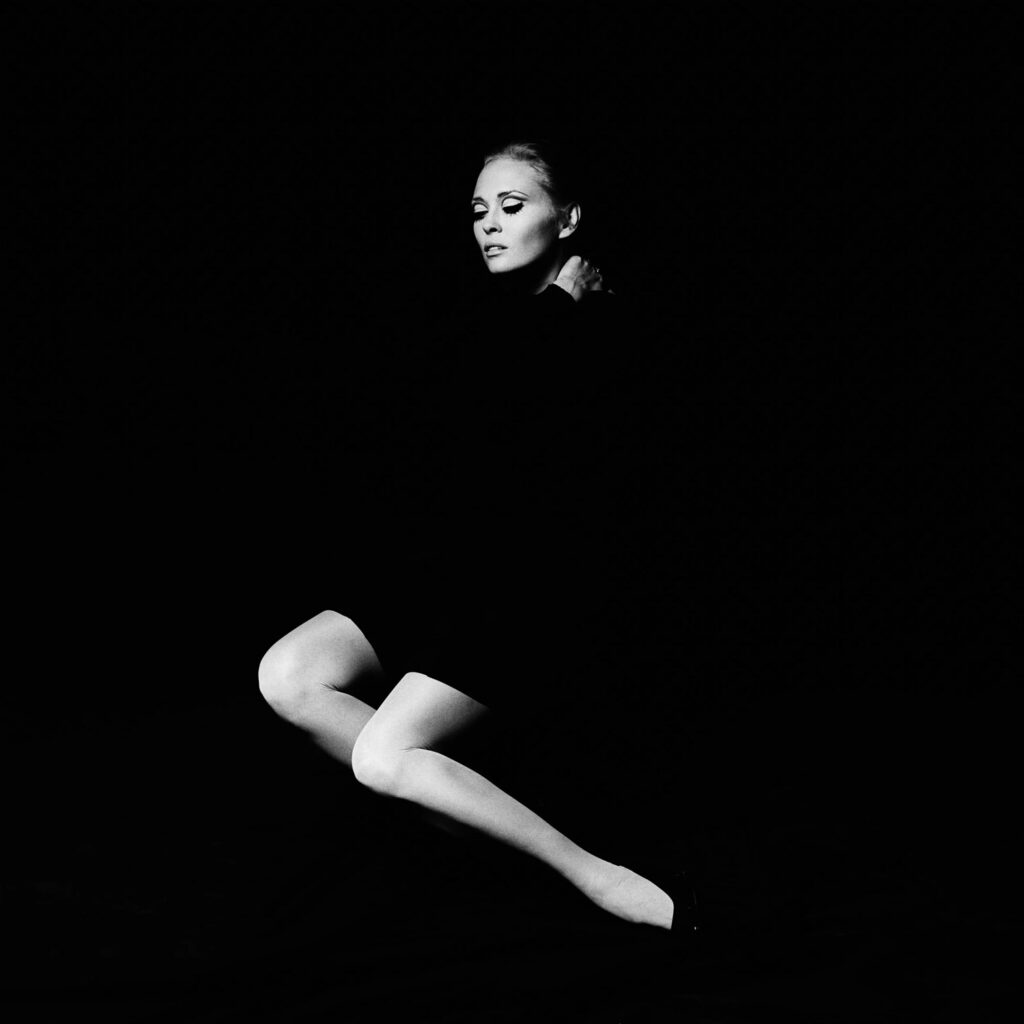
Jerry Schatzberg belongs to a rare group of photographers who understood that performance does not begin on stage or end when the curtain falls. In his photographs, the worlds of music, fashion, dance, and celebrity are never reduced to publicity or pose. They appear instead through gesture, rhythm, atmosphere, and presence. His pictures often catch artists before they become fully conscious of the camera, when style and personality still feel spontaneous.
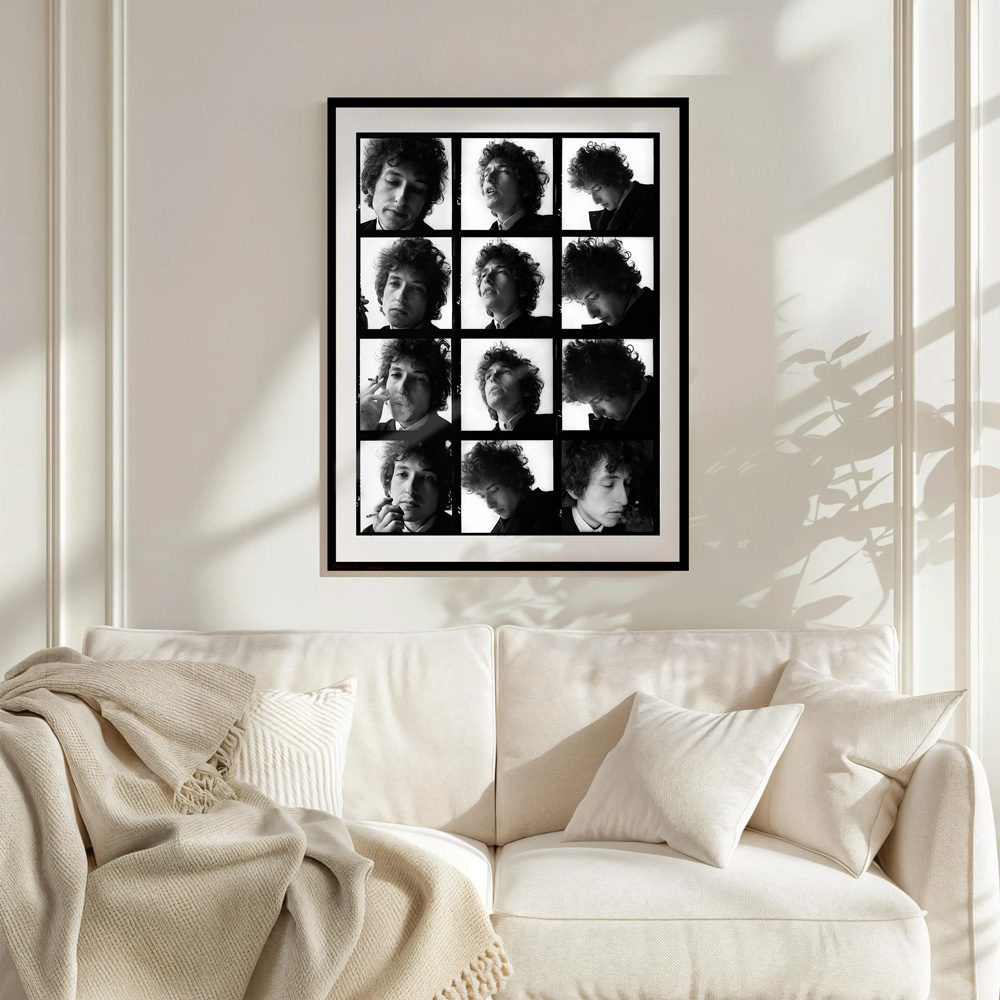
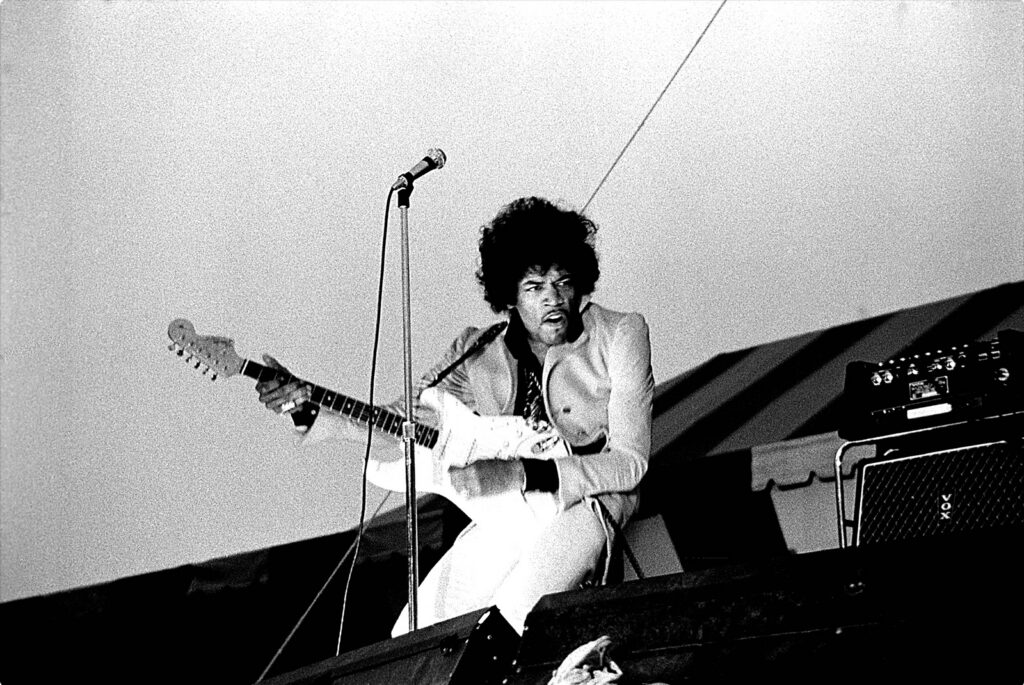
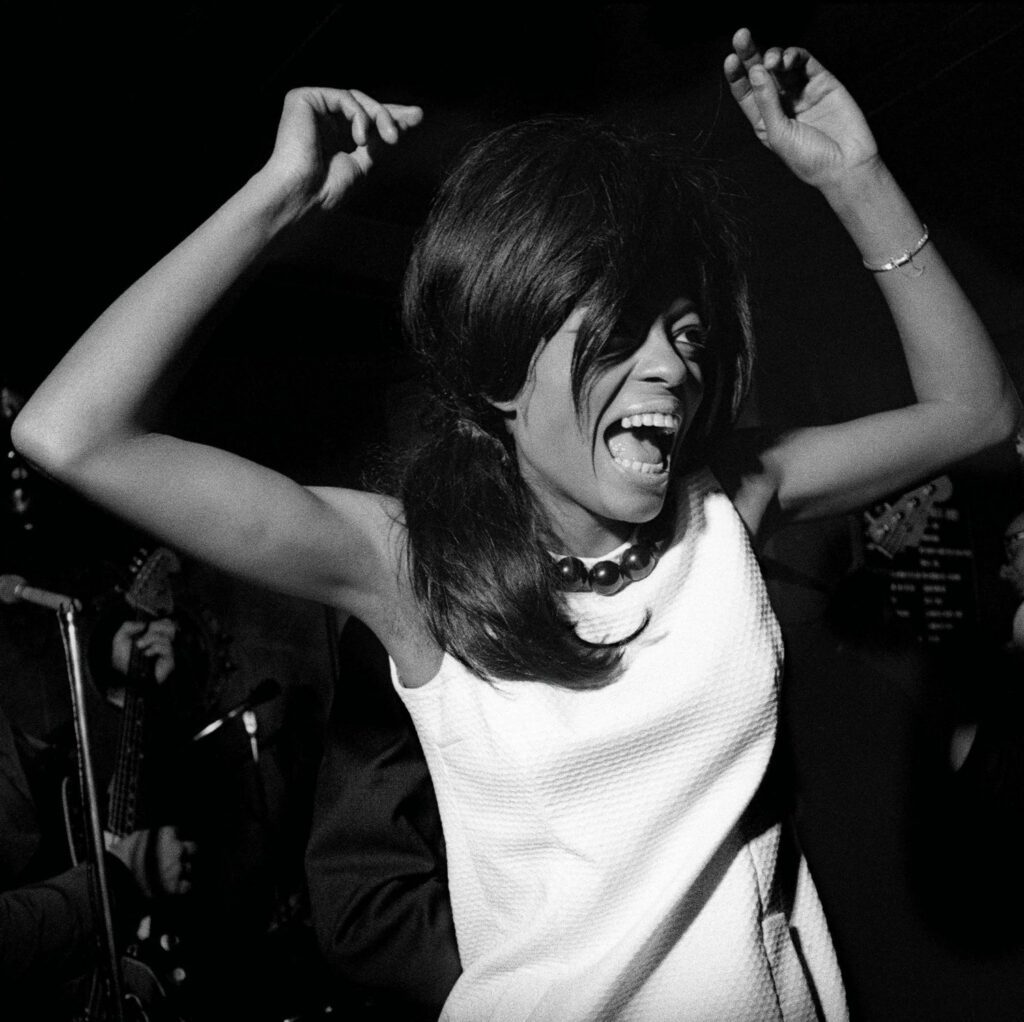
That quality makes Schatzberg especially compelling in the context of music and dance. He photographed many of the defining figures of the 1960s, yet what remains most striking is not simply their fame, but the spontaneity of the images and the contemporary feeling of his photographs. Whether photographing Bob Dylan with a cigarette in his mouth, Jimi Hendrix in a moment of inward concentration, Diana Ross within the charged social world of New York nightlife, or a dancer carried into movement and blur, Schatzberg presents performers as living presences rather than celebrated stars.
A STUDIO AT THE CENTER OF THE CITY
Schatzberg’s rise began in New York, where he begun as an assistant to photographer Bill Helburn before opening his own studio on Park Avenue South in the mid-1950s. His photographs soon graced the pages of Vogue, Esquire, Glamour, McCall’s. This period coincided with a moment when American image-making was becoming freer, quicker, and more responsive to the street.
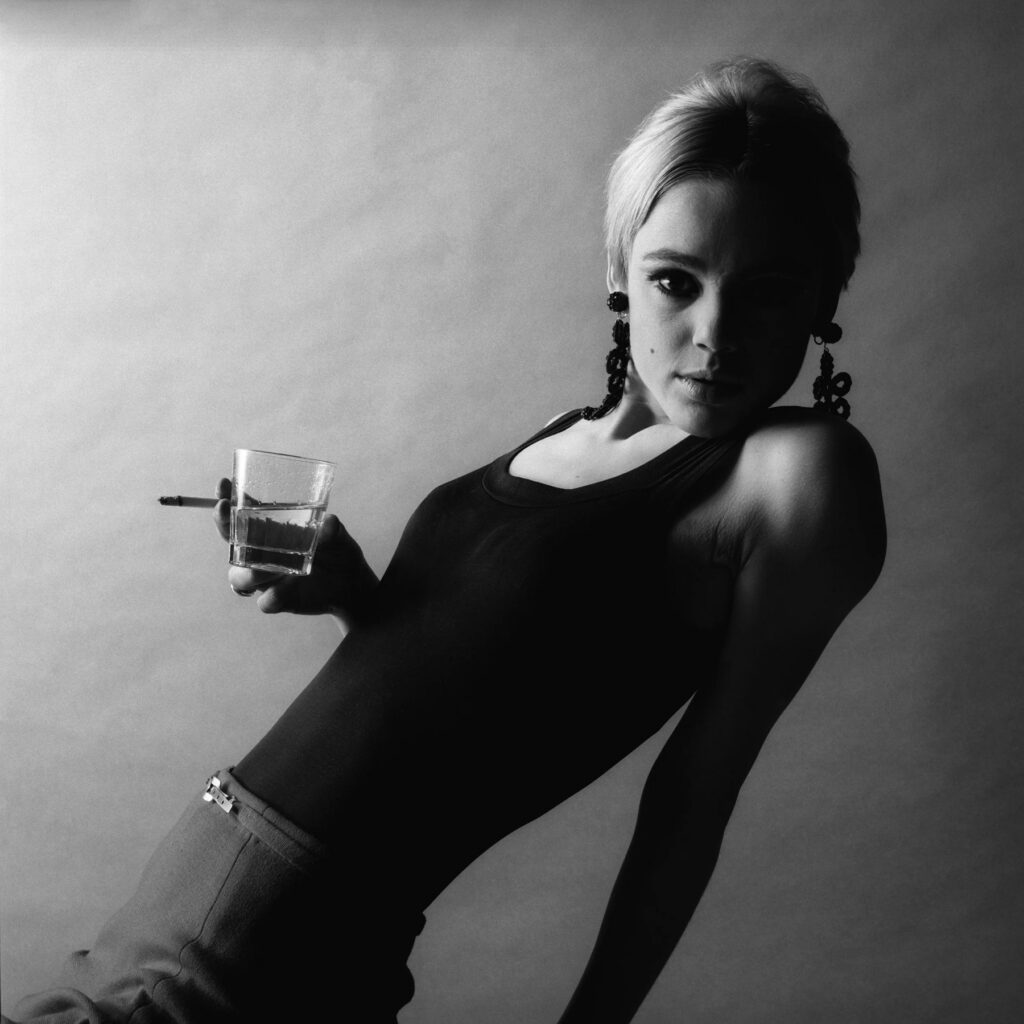
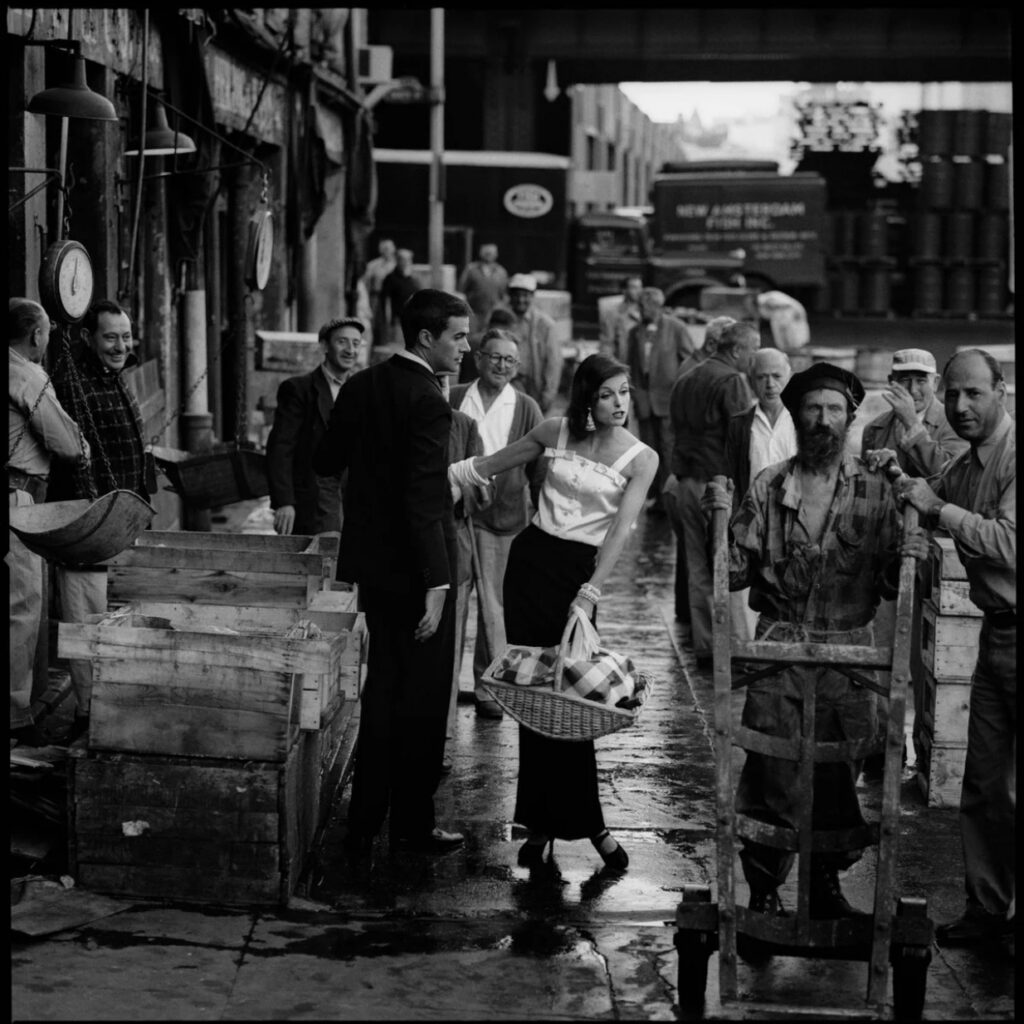
His photographs helped liberate fashion from a predictable statuary pose. His models do not simply display clothes; they walk, turn, laugh, lean, and improvise. That ability to respond and adapt to what was happening in front of him became central to his work. Schatzberg’s studio soon became part of the cultural life of New York in the 1960s. It was a place where musicians, actors, models, dancers, and artists passed through with unusual ease. Even when an image is carefully constructed, it rarely feels overmanaged.
RAPPORT BEFORE THE IMAGE
If there is one word that helps explain Schatzberg’s photographs, it is rapport. Again and again, those who have written about him, or worked with him return to his ability to put people at ease. He liked to spend time talking, joking, and waiting for a mood to emerge before he began photographing. For Schatzberg, that time spent establishing trust, as well as connection, was essential to making the picture.
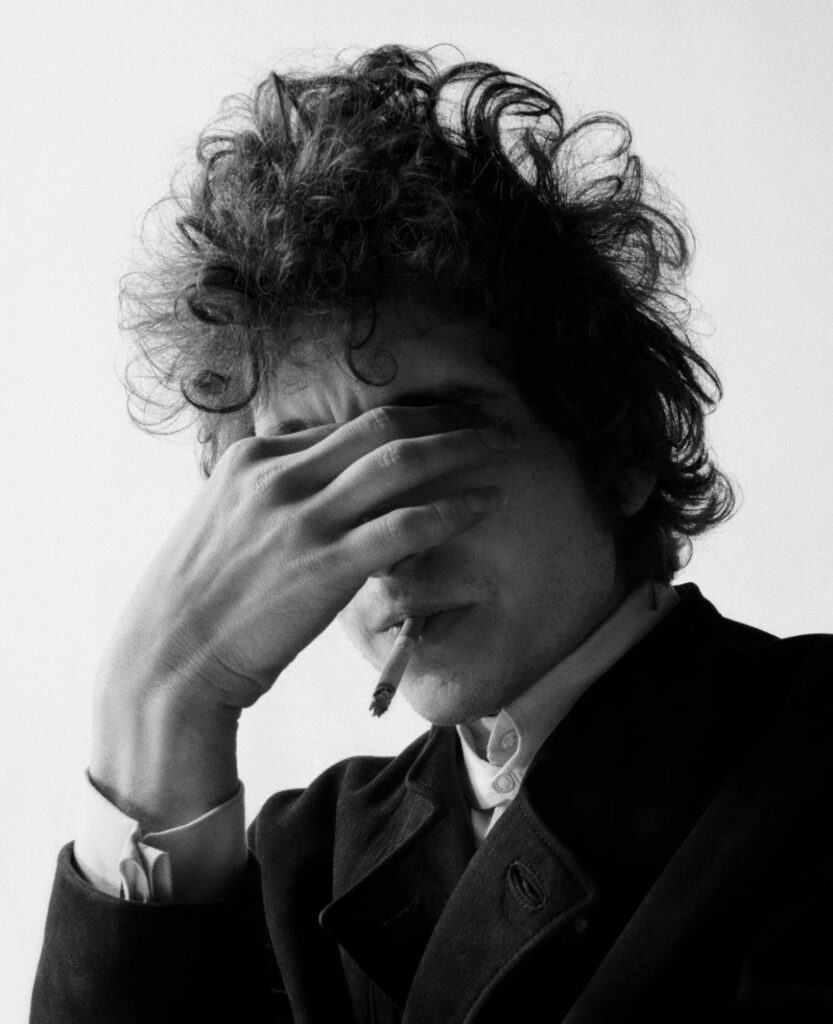
You can feel this clearly in his portraits of musicians. Bob Dylan, whom Schatzberg photographed repeatedly in the mid-1960s, appears unmistakably himself, yet also unguarded. In Bob Dylan, Smoke, New York, the gesture is simple: one hand partially obscures the face, a cigarette hangs from the mouth, and Dylan’s hair seems to take on a life of its own.
The photograph feels intimate rather than posed. Dylan appears less as a public symbol than as someone caught thinking, pausing, and briefly retreating into himself. Schatzberg understood that personality often reveals itself most clearly through small, unplanned gestures.
That sensitivity extends across his music portraits more broadly. He did not need the concert stage to communicate musical presence. He could find it in posture, wit, fatigue, ease, and stillness. Even at rest, the performer remains fully present.
NIGHTLIFE, MUSIC, AND THE SOCIAL THEATER OF THE 1960S
Schatzberg’s involvement in the music world was not confined to studio sittings. He was also a co-owner of Ondine and, later, Salvation, two New York clubs that became important gathering places within the decade’s nightlife and music scene. The Doors, Buffalo Springfield, Jimi Hendrix, Bob Dylan, the Rolling Stones, Diana Ross, and many others moved through those rooms.
This gives us insight into the social intelligence of Schatzberg’s photographs. He was not chasing or observing celebrity from a distance. He saw musicians where they relaxed, performed informally, danced, flirted, watched one another, and became part of the larger theater of the city.
His pictures from this world carry that familiarity. They do not strain for access because access is already there. What interests him is the energy of the room and the people within it. His subjects are stylish, certainly, but they are also alert, amused, absorbed, unguarded, and often playful.
Schatzberg recognized that performance spills beyond the official frame into clubs, friendships, late nights, and improvised encounters. The culture of music was not only sound. It was posture, timing, social rhythm, and a way of moving through the world.
WHEN THE PHOTOGRAPH LEARNS TO MOVE
What makes Schatzberg such a natural fit for an exhibition centered on music and dance is the importance of movement throughout his work. Sometimes that movement is literal, as in his photographs of dancers and performers. At other times, it appears through angle, blur, or the flow of an action.
In Geoffrey Holder on Stage, the performer seems to dissolve into motion. The body is not crisply fixed but carried into blur, as though Schatzberg has allowed the camera to follow the logic of dance rather than interrupt it. What remains is a sensation of sweep, fabric, and momentum, with the performer passing through the light too quickly for the camera to hold him completely.
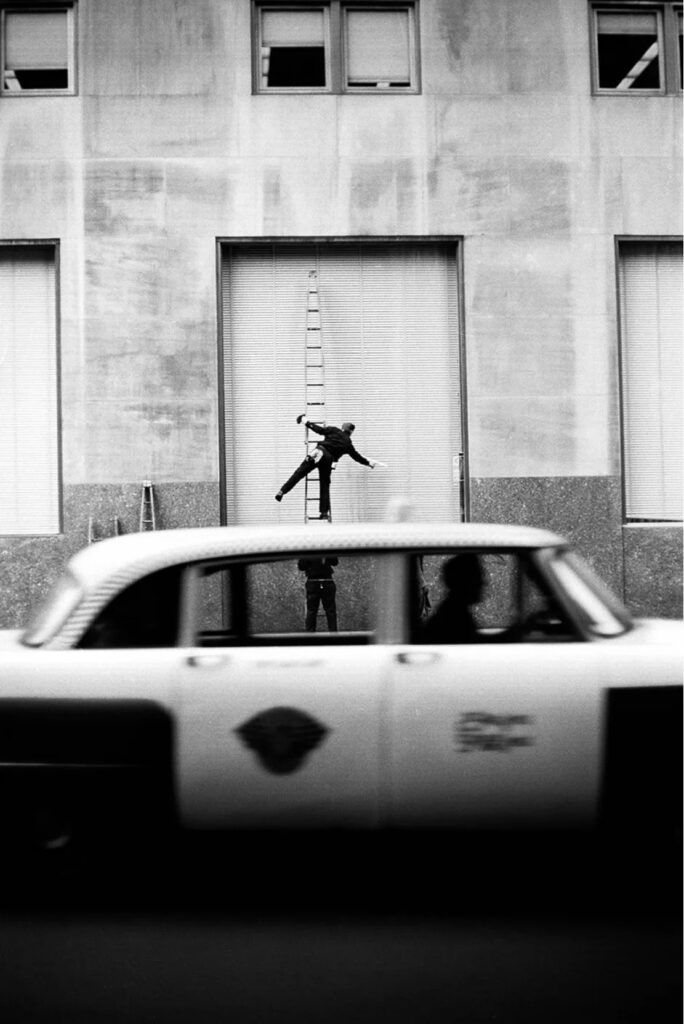
That same interest animates Window Washer Ballet, New York, an unexpected symphony of moments. A worker suspended on a ladder becomes a dancer poised in precarious balance against the rigid geometry of the city. A passing car cuts across the foreground, adding another layer of motion and rhythm. The title is playful, but the transformation is real. Schatzberg sees choreography where others might simply see labor. Movement was not limited to his photographs of performers. It shaped the way he saw the city and the people around him.
THE PERFORMER AS PERSON
In consideration of the style, sophistication, and historical importance of Schatzberg’s archive, what endures most is his refusal to let fame flatten a subject into cliché. He photographed stars, but he was never overawed by stardom. He understood that charisma is most powerful when it remains close to the human scale, revealing itself through expression, timing, and personal connection. That is why his work still feels so fresh. He gives us photographs of the great figures of his era, often shifting his focus from the public image to the private self. Music becomes mood, dance becomes gesture, and performance becomes part of everyday life.
Schatzberg’s photographs remind us that the most lasting images of performers are not always the most theatrical. Often, they are the ones in which the subject appears most alive, most fleeting, and most fully present.