
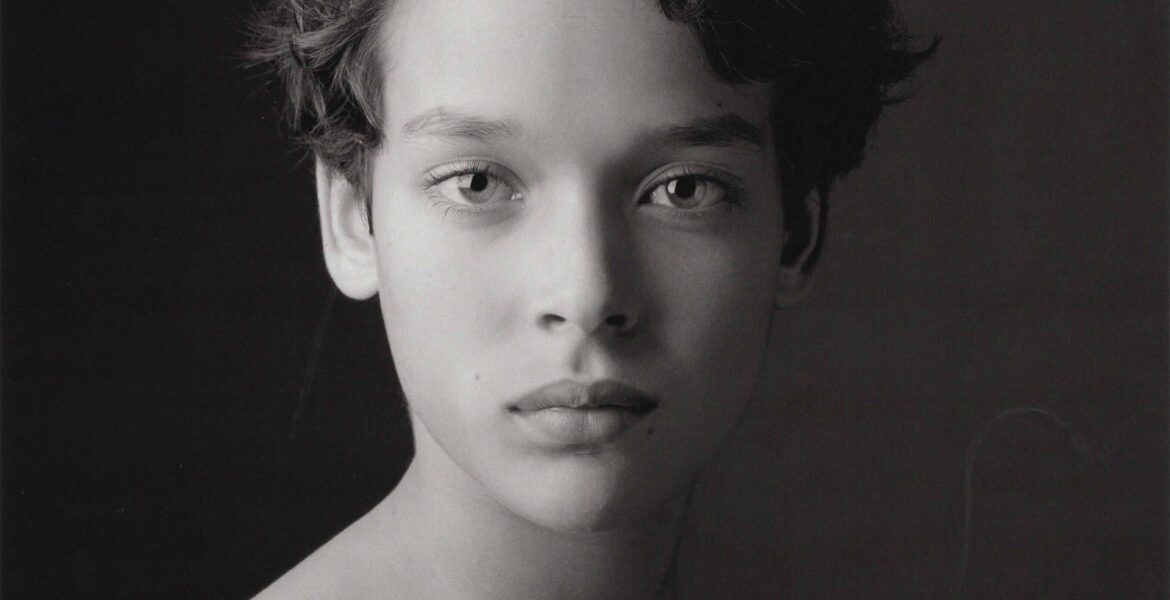
FEBRUARY 21 – MAY 2, 2026
Holden Luntz Gallery is pleased to present The Intimacy of Seeing: A Photographic Survey of Jean-Baptiste Huynh, an exhibition bringing together significant works from across the artist’s career. The presentation includes early ethnographic portraits created in Ethiopia, Mali, and India; selections from the Nus series; works from Miroirs; photographs from Japan; images from Animaux; botanical studies from the Nature series; and recent works from the celebrated Flower Children project.
-
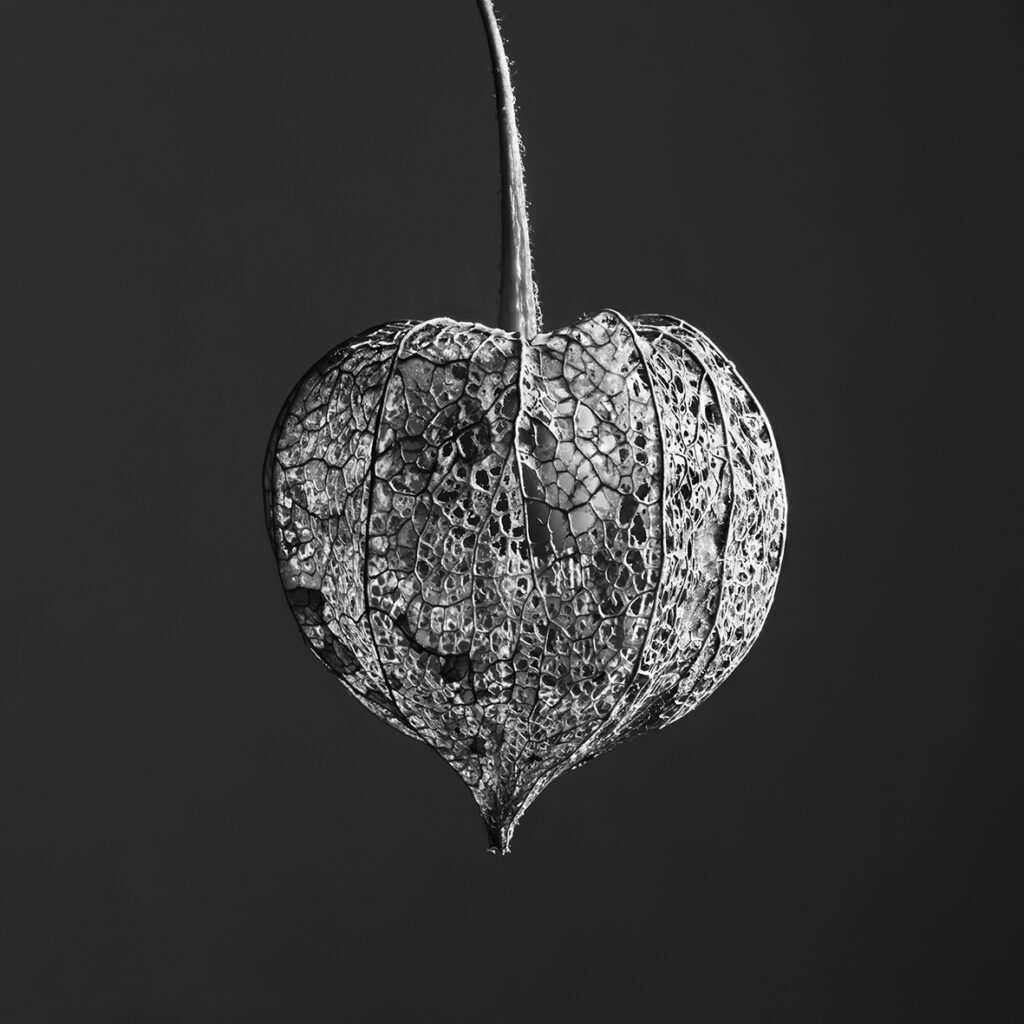
Jean-Baptiste Huynh
Amour en cage, Nature Add to cart -
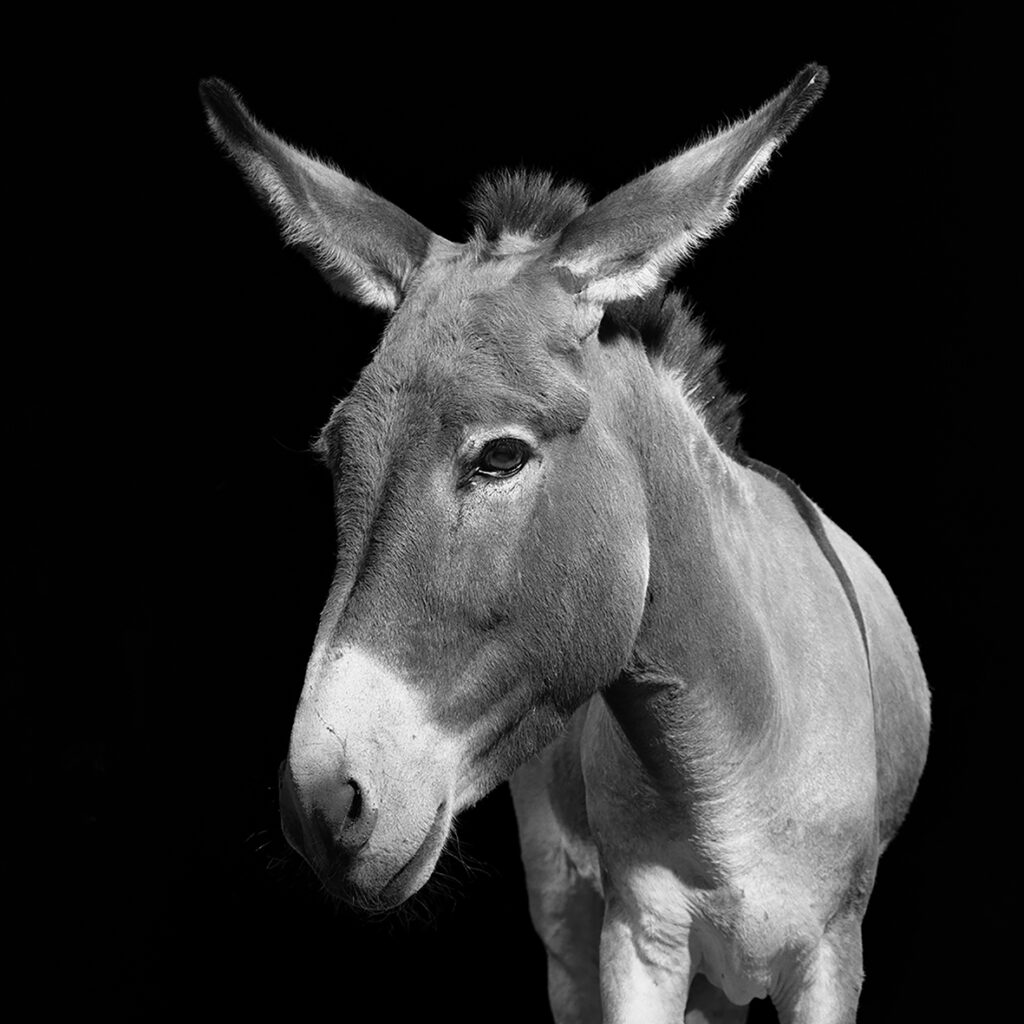
Jean-Baptiste Huynh
Ane, Mali, Animaux Add to cart -

Jean-Baptiste Huynh
Buckley, Animaux Add to cart -
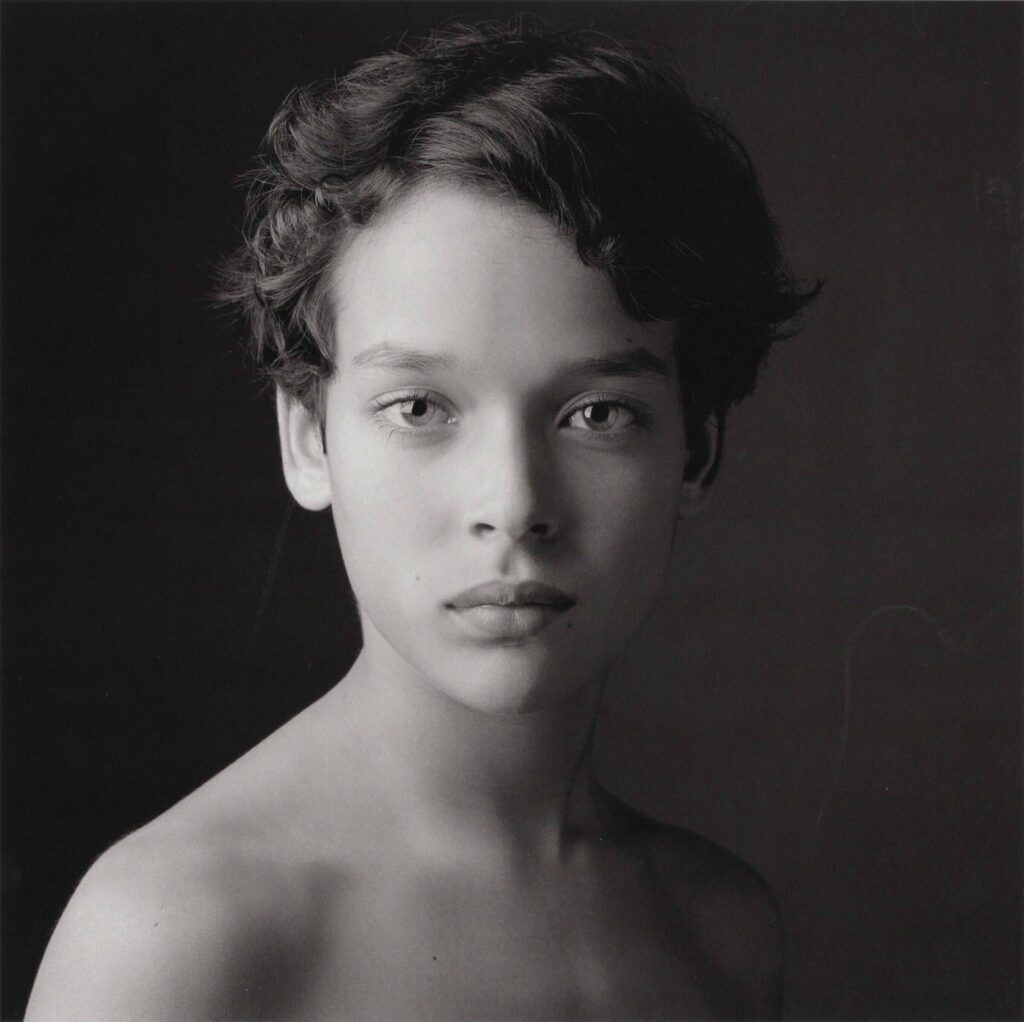
Jean-Baptiste Huynh
Christian III Add to cart -

Jean-Baptiste Huynh
Cyclamènes, Nature Add to cart -
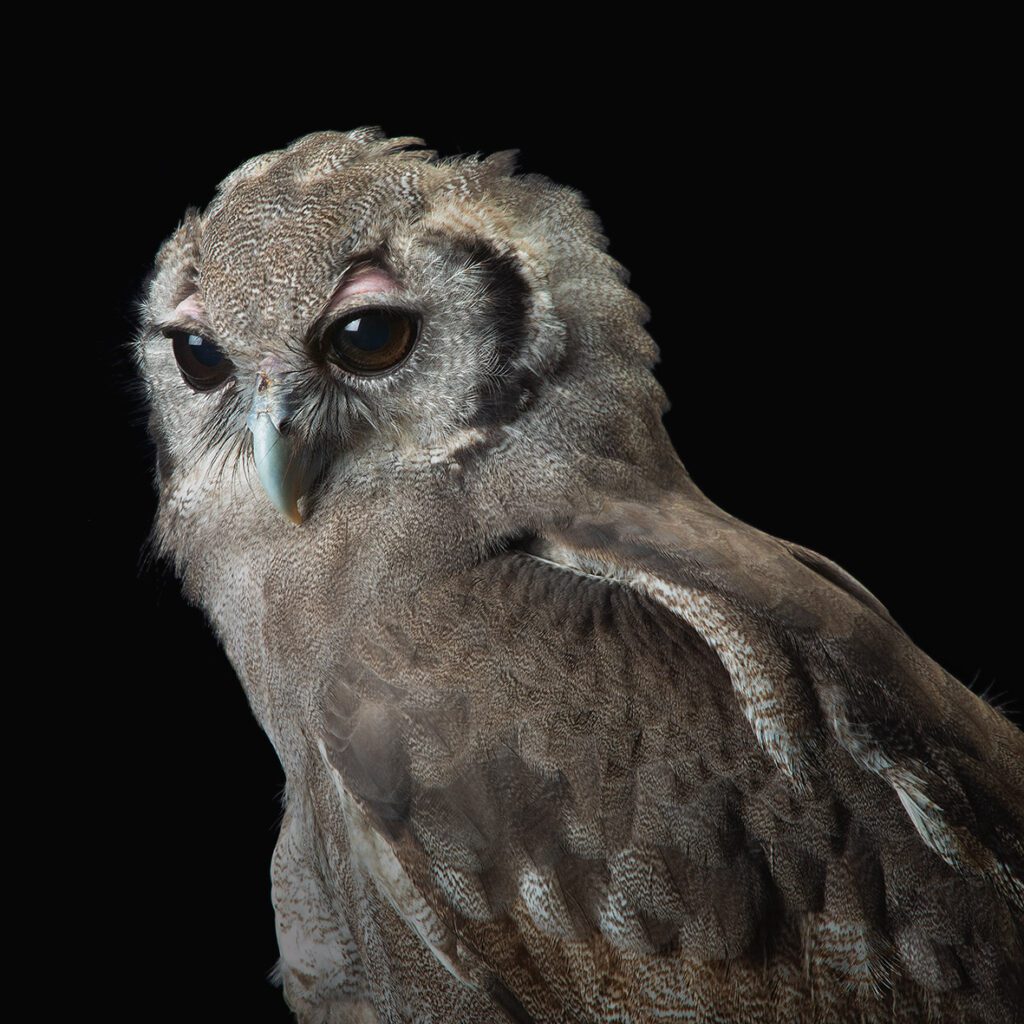
Jean-Baptiste Huynh
Eagle Owl, Kenya, Animaux Add to cart -
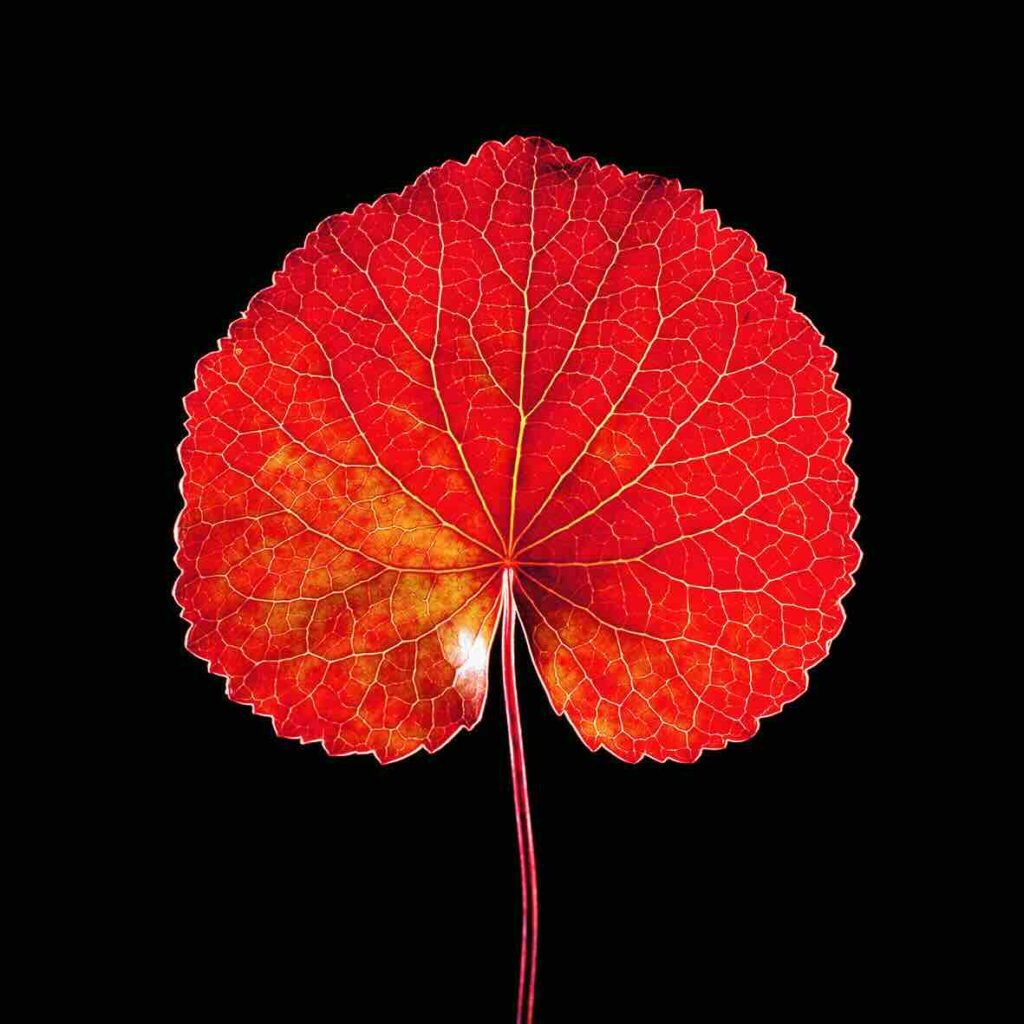
Jean-Baptiste Huynh
Feuille de Galac, Nature Add to cart -
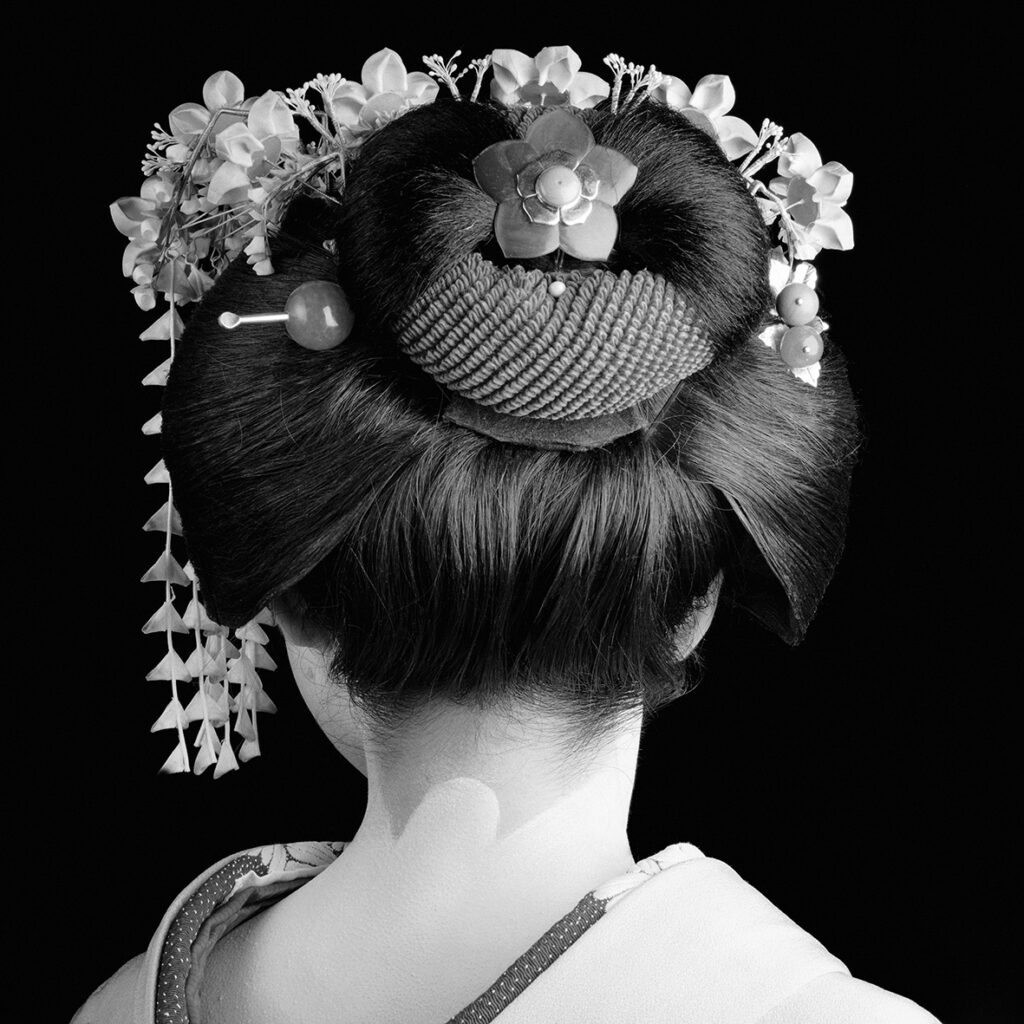
Jean-Baptiste Huynh
Geisha 1, Japon Add to cart -
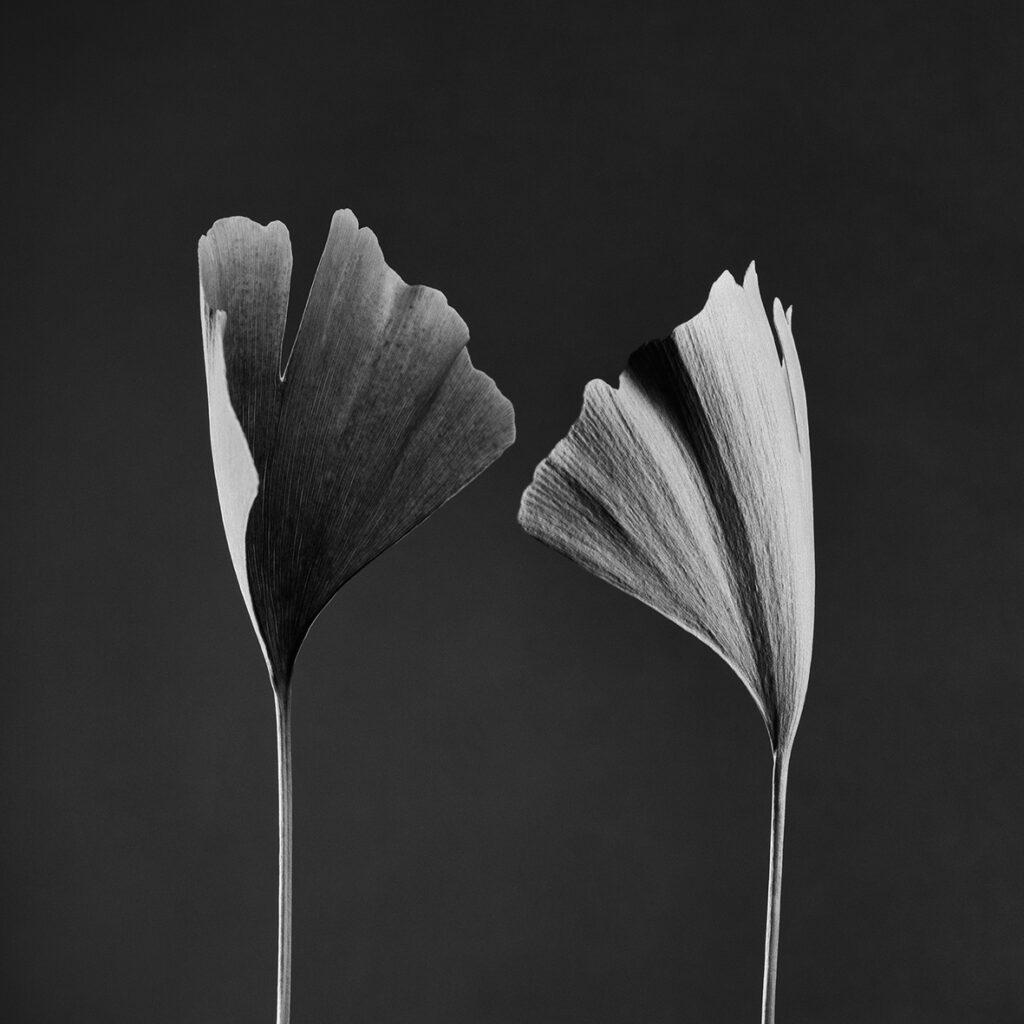
Jean-Baptiste Huynh
Ginkgo 1, Japon Add to cart -
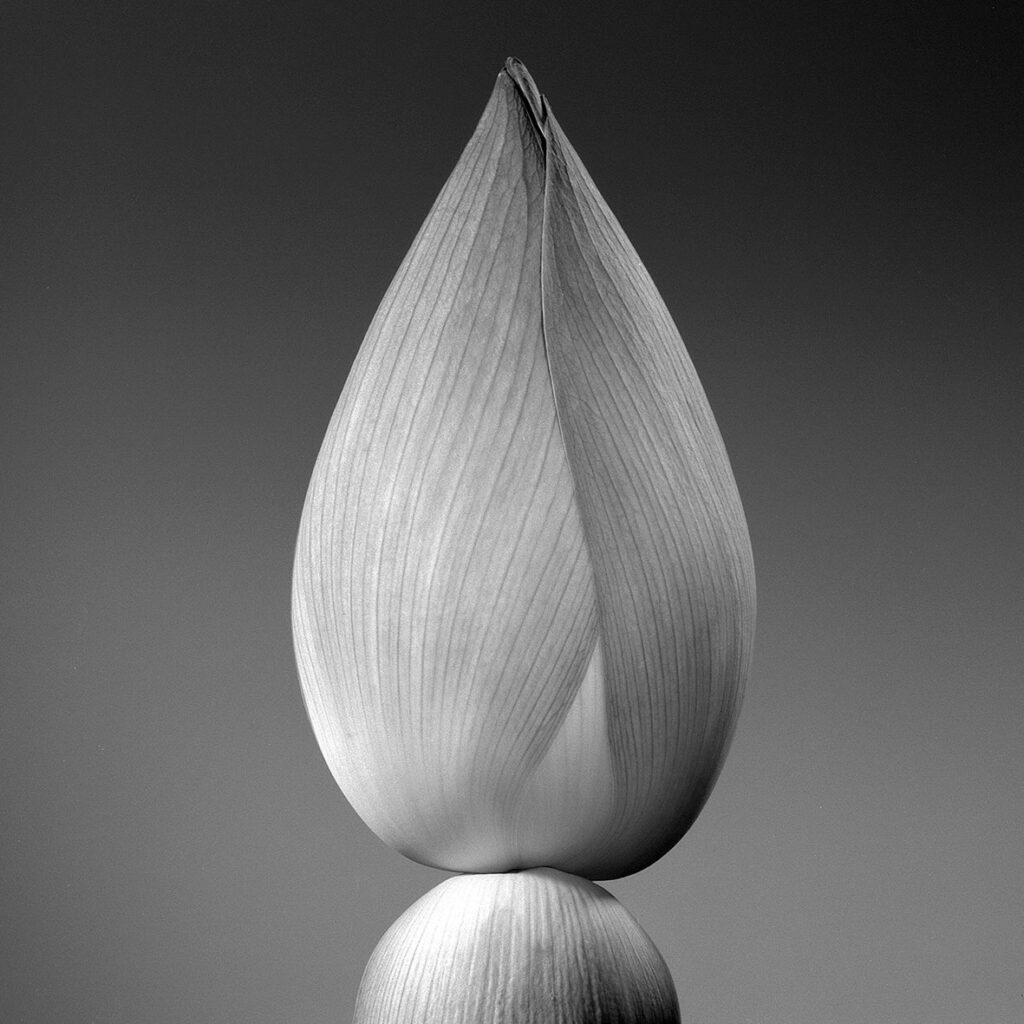
Jean-Baptiste Huynh
Lotus 1, Inde Add to cart -

Jean-Baptiste Huynh
Mains 1, Japon Add to cart -

Jean-Baptiste Huynh
Nu 27, Nus Add to cart -
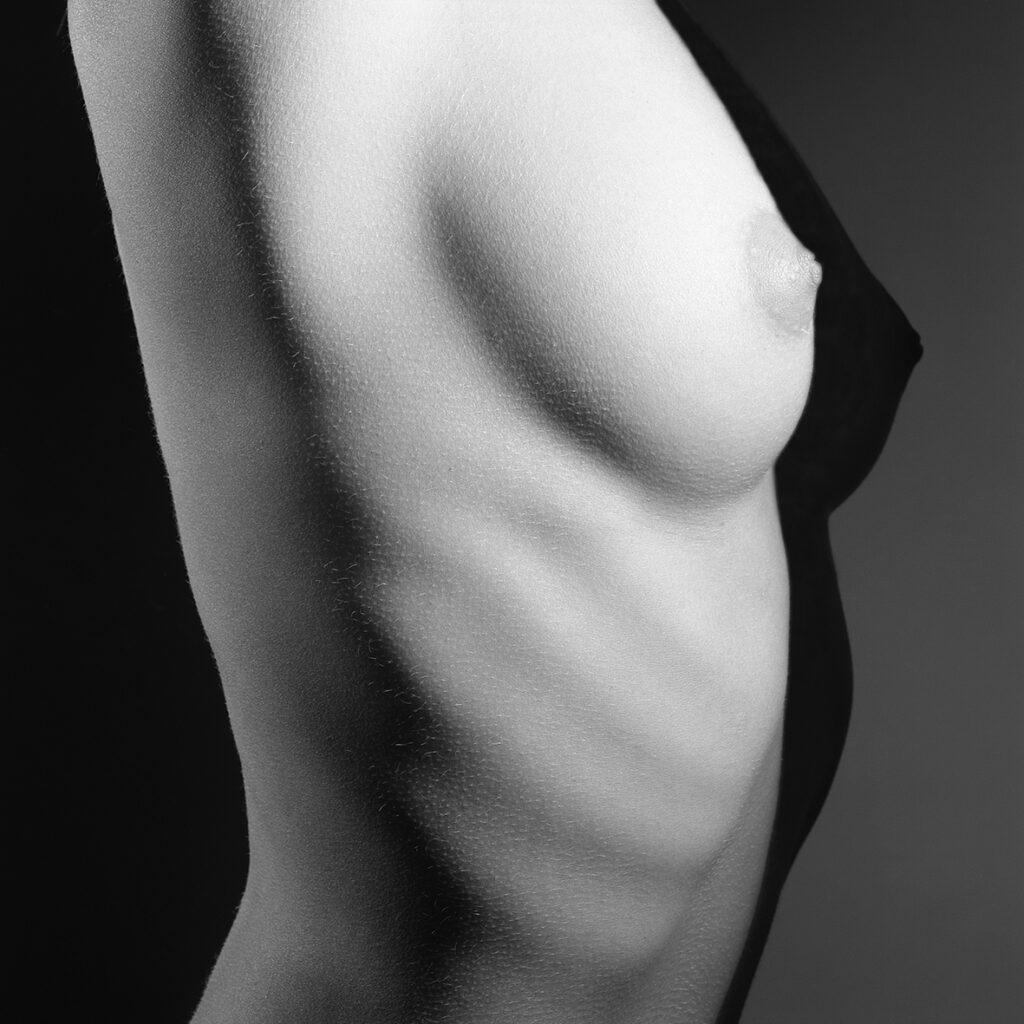
Jean-Baptiste Huynh
Nu 29, Nus Add to cart -
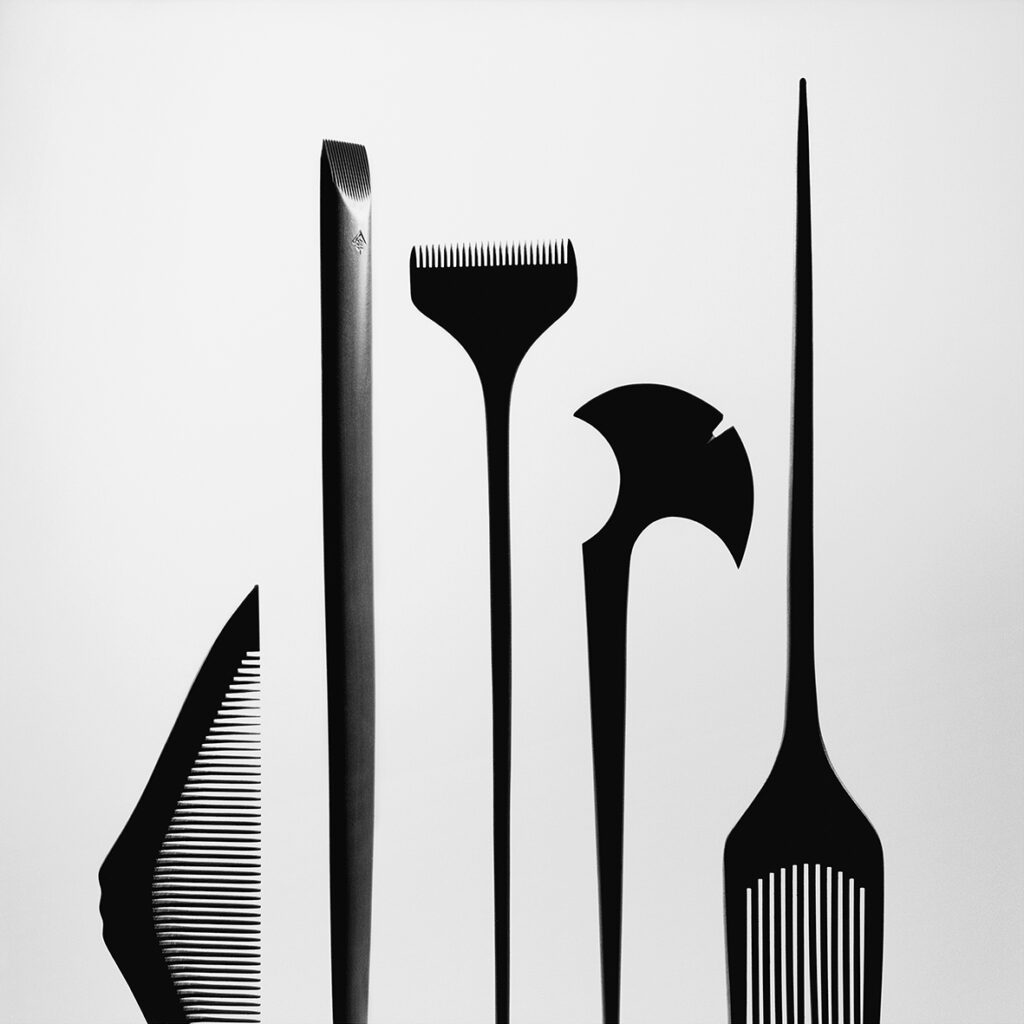
Jean-Baptiste Huynh
Peignes, Japon Add to cart -
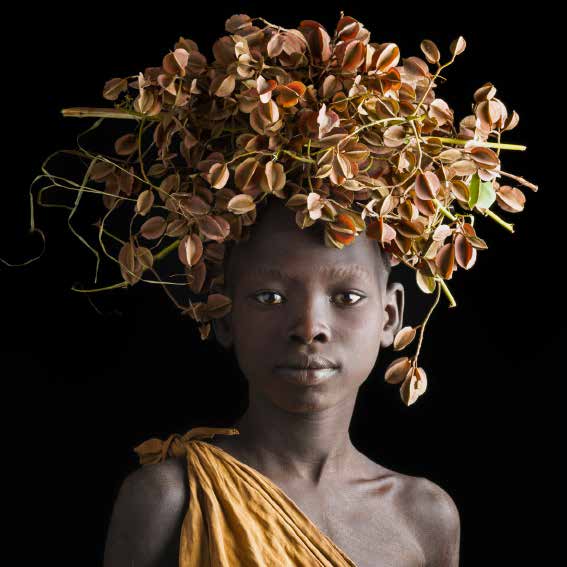
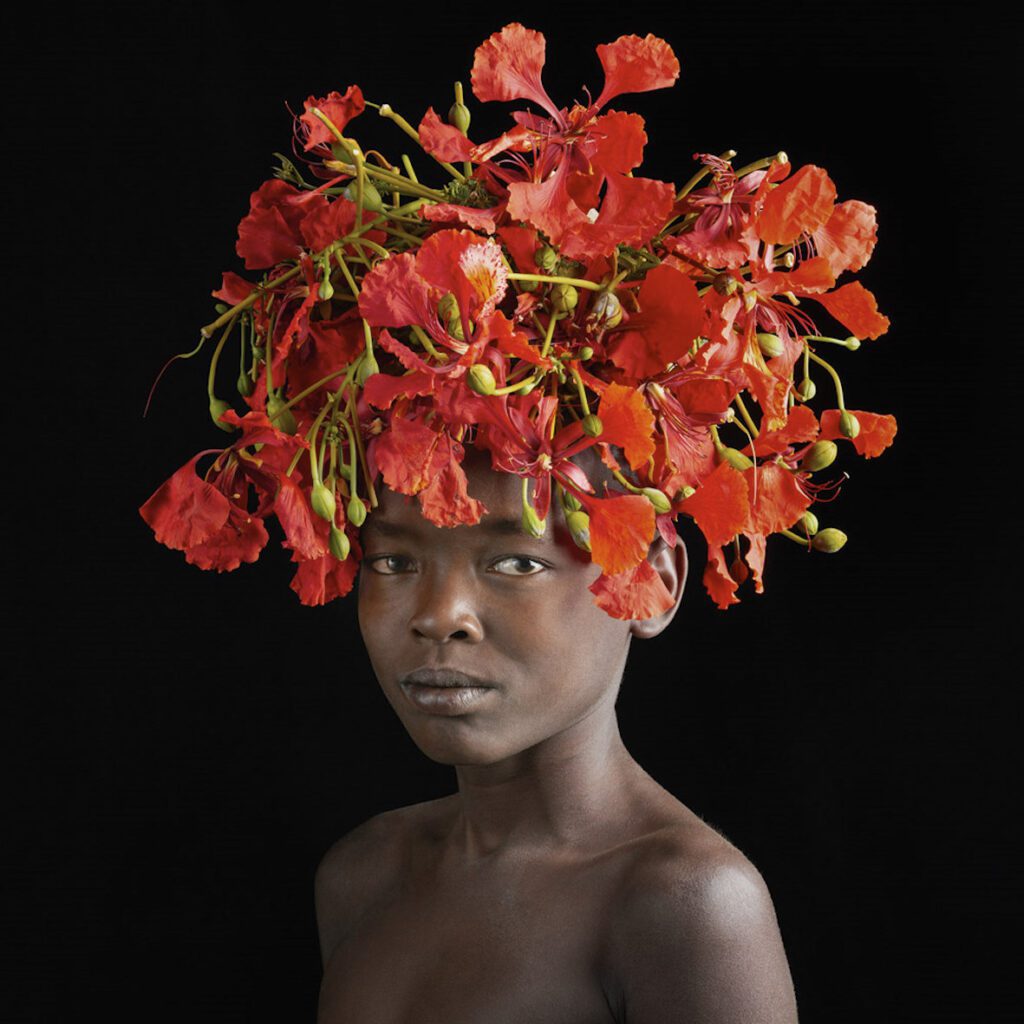
Jean-Baptiste Huynh
Portrait 48, Flower Children Add to cart -
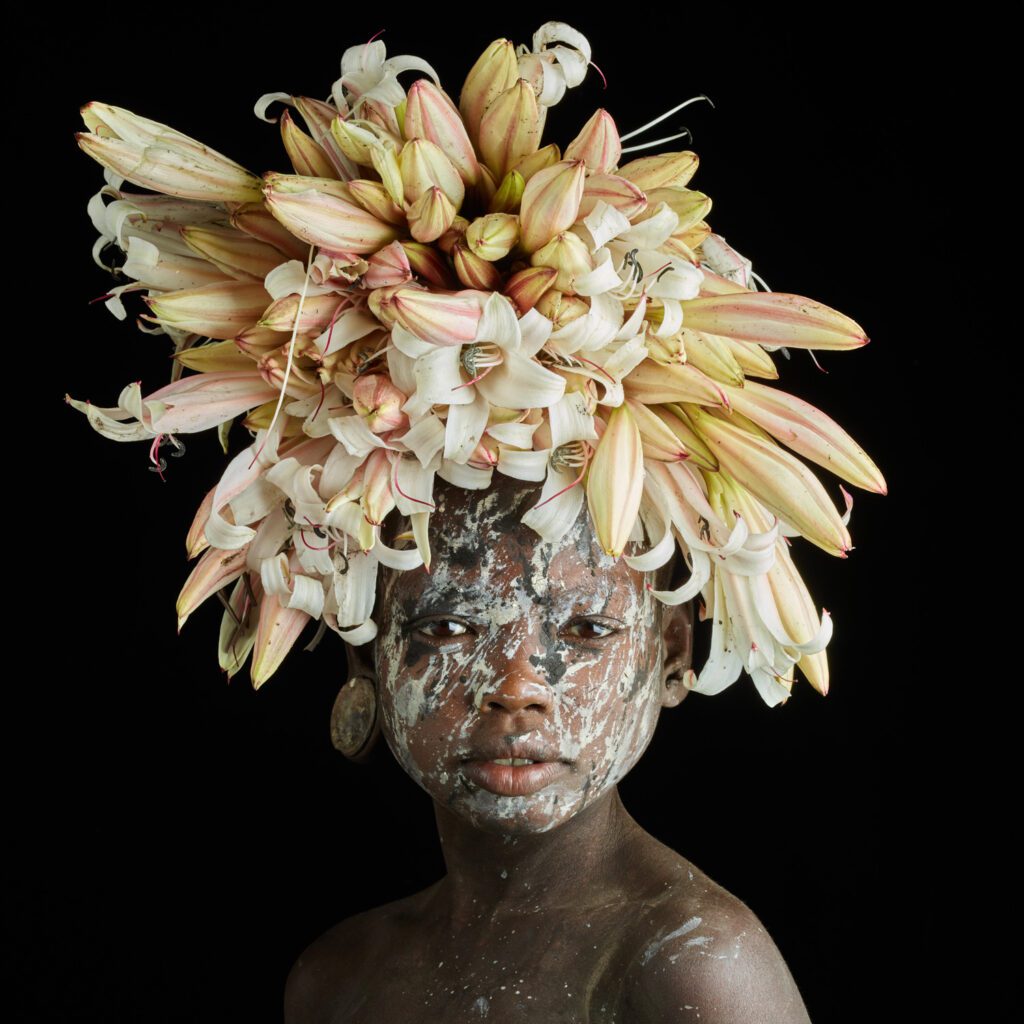
Jean-Baptiste Huynh
Portrait 7, Flower Children Add to cart -
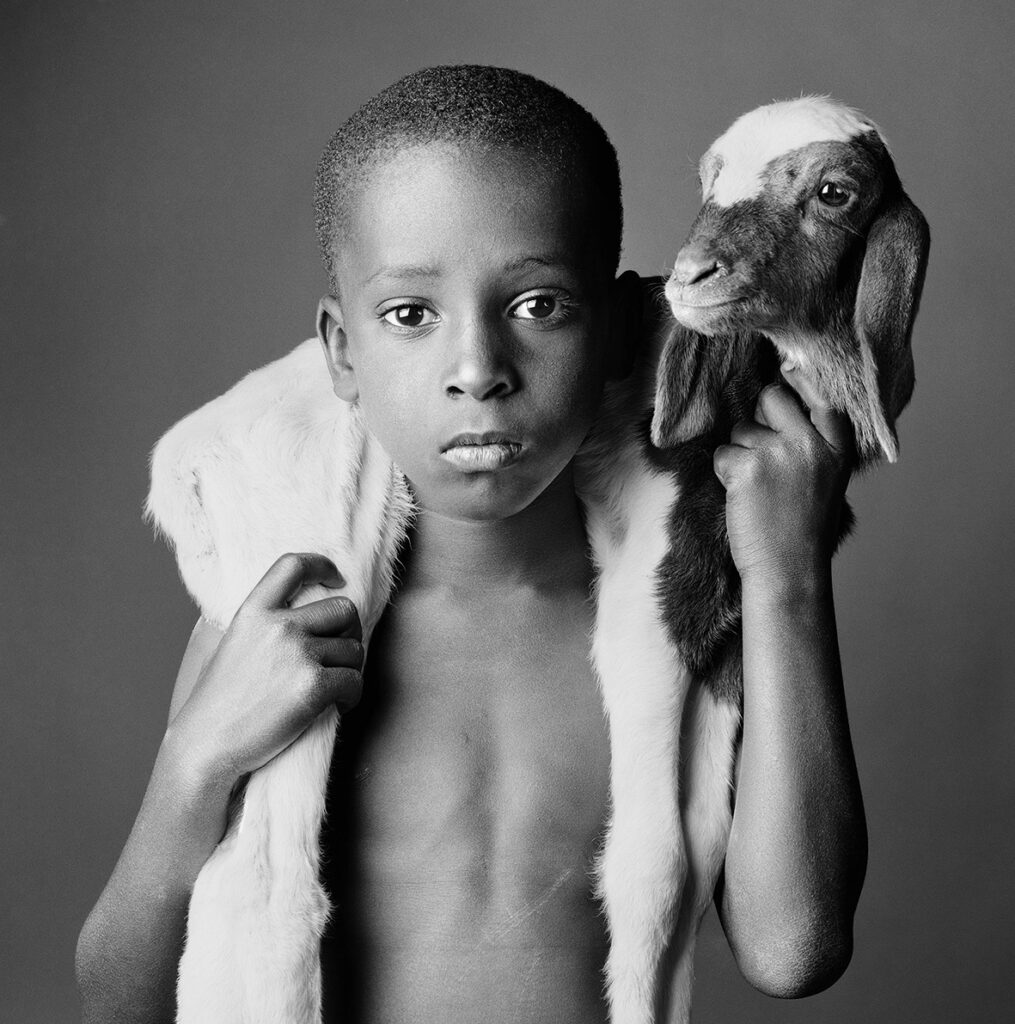
Jean-Baptiste Huynh
Portrait 79, Flower Children Add to cart -
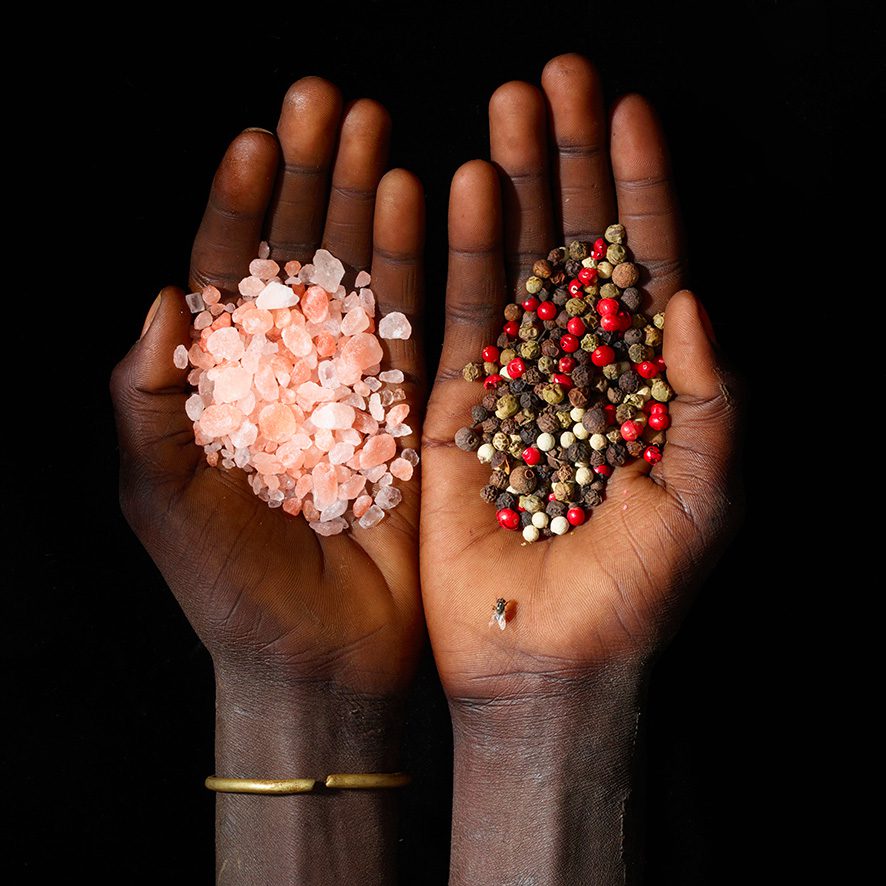
Jean-Baptiste Huynh
Portrait 8, Mali Add to cart -
Jean-Baptiste Huynh
Salt & Pepper, Flower Children Add to cart
Holden Luntz Gallery is pleased to present The Intimacy of Seeing: A Photographic Survey of Jean-Baptiste Huynh, an exhibition bringing together significant works from across the artist’s career. The presentation includes early ethnographic portraits created in Ethiopia, Mali, and India; selections from the Nus series; works from Miroirs; photographs from Japan; images from Animaux; botanical studies from the Nature series; and recent works from the celebrated Flower Children project.
Jean-Baptiste Huynh’s photographs are distinguished by their extraordinary luminosity and quiet intensity. Working within a disciplined square format and controlled frontal compositions, he creates images that feel both intimate and monumental. Light is not merely descriptive in his work. It is sculptural, enveloping, and precise. Surfaces seem to breathe. Skin, stone, leaf, and mirror emerge from darkness with remarkable clarity, inviting sustained attention.
His early ethnographic portraits made in Ethiopia, Mali, and India exemplify this approach. Faces are presented against neutral grounds, illuminated with soft yet exacting light that reveals subtle tonal transitions across cheek, brow, and gaze. The result is captivating in its restraint. The viewer is drawn into the depth of the sitter’s expression, where dignity and stillness converge. Cultural identity remains present, yet it is the immediacy of encounter that lingers. These portraits are both rigorous and profoundly moving.
In Miroirs, Huynh turns toward reflective surfaces, producing images of remarkable richness and chromatic depth. The color in these works is saturated yet controlled, with mineral blues, burnished golds, and oxidized greens unfolding across circular forms. The surfaces appear almost painterly, their textures layered and luminous. These photographs hold the eye. They invite contemplation. Reflection becomes both subject and experience.
The botanical photographs from the Nature series are equally arresting. Isolated against dark grounds, leaves and blossoms appear radiant, their veins and contours articulated through subtle gradations of light. The scale and square composition transform these organic forms into icons. A single stem or petal commands presence. The images are breathtaking in their simplicity and refinement, balancing fragility with strength.
Selections from the Nus series reveal the same sensitivity. The nude body is rendered with restraint and reverence, its form defined by light rather than gesture. Skin glows softly within shadow, creating a quiet tension between volume and stillness. These works possess a sensuality that is measured and contemplative rather than theatrical. They invite meditation on form, proportion, and the human condition.
In Animaux, Huynh extends this visual language to the animal world. Whether depicting a donkey in Mali or an owl in Kenya, he captures each subject with extraordinary clarity. Feathers, fur, and musculature are revealed through luminous tonal transitions. The animals hold the frame with calm authority. The viewer meets them eye to eye.
The recent Flower Children series synthesizes these investigations in works of remarkable beauty and richness. Portraits of children adorned with clay, pigment, and elaborate floral arrangements combine human presence with botanical splendor. The color is vivid yet balanced. Warm earth tones, deep greens, and floral hues radiate against dark backgrounds. The compositions feel both ancient and contemporary. These images are captivating in their intricacy, yet anchored in Huynh’s disciplined structure. They invite meditation on harmony between body and nature.
Across all series presented in The Intimacy of Seeing, the experience of the work is immersive. The square format creates equilibrium and focus. Negative space heightens presence. Light models form with subtlety and depth. Each photograph rewards close looking. Each holds interest beyond the first glance.
Seen together, these works affirm Huynh’s ability to unite technical mastery with emotional resonance. His photographs are luminous, contemplative, and enduring. They ask the viewer not simply to look, but to remain.